
News
It Won’t Be Business As Usual, Presidency Says On UAE Visa Ban Reversal

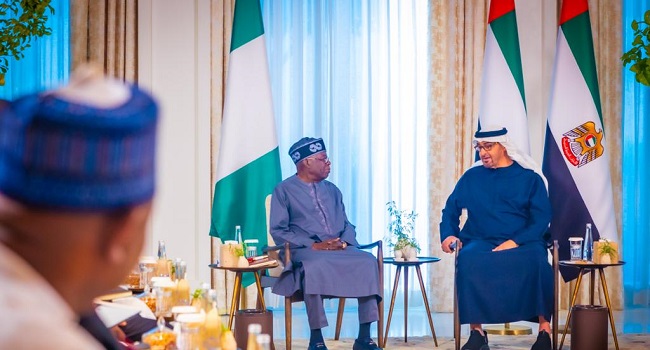
The Nigerian Presidency says the reversal of the visa ban on Nigerians by the United Arab Emirates does not mean that things will go back to “business as usual”, especially as it concerns UAE visa applications and processing.
Speaking on Channels Television’s Politics Today on Monday, moments after the deal between President Bola Tinubu and his UAE counterpart Mohamed bin Zayed Al Nahyan public, Media aide to the President, Ajuri Ngelale said things will be done differently to address some loopholes that caused the visa ban.
“Every agreement comes with mutual responsibility. There is no free lunch. What I mean by that is the notion that floodgates will open up and we go back to business as usual. That is not what Nigerians should expect. I want to be very clear about this so that everybody can understand,” Ngelale said.
Speaking further, he noted that “one of the major challenges of the bilateral relationship with regards to visa applications, visa processing and with respect to Nigerians being able to migrate to the UAE for example, was the fact that there was a laxity on the part of certain visa process or certain applications that were being made that it created a lack of specificity and lack of diligent evaluation with respect to who is travelling to the UAE and why they are travelling.
“And this is why we had issues. Just a few bad eggs among our people giving a bad name to all of us which was a major sticking point as to how we got to this point. So, what we have done as part of this process is to put in place measures to ensure there is effective diligence done on the part of both sides.”
The visa ban on Nigerians was lifted by the UAE almost one year after the decision following an intervention by President Tinubu who met with the UAE leader.
The agreement between the two leaders also means that Etihad Airlines and Emirates Airlines are to immediately resume flight schedules into and out of Nigeria.
A statement by the Presidency also added that as negotiated between the two heads of state, the restoration of flight activities does not involve any immediate payment by the Nigerian government.






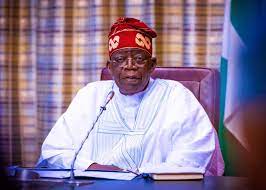



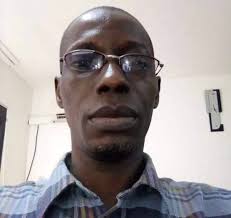


In a remarkable feat that has captured national attention, 16-year-old student Osasere Okundaye has emerged as Nigeria’s youngest chartered accountant, shattering the previous record set in 2022.
Okundaye successfully completed the professional examinations of the Institute of Chartered Accountants of Nigeria (ICAN), earning widespread acclaim as a shining example of youthful excellence and determination. Her achievement comes at an age when many peers are still navigating secondary education or early university studies.
Minister of Youth Development Ayodele Olawande congratulated the young prodigy, describing her accomplishment as an inspiring milestone. “I heartily congratulate Miss Osasere Okundaye on her outstanding achievement of becoming Nigeria’s youngest Chartered Accountant at just 16 years of age,” the minister said, highlighting her hard work and resilience as a symbol of the potential within Nigerian youth.
Okundaye’s success surpasses the record previously held by Jonathan Adewale (also known as Ojo Jonathan Adewale), who qualified as a chartered accountant at age 17 in 2022. Her qualification has sparked pride across the country and renewed focus on empowering young Nigerians in professional fields.
While full ICAN membership typically requires additional practical experience (usually three years), Okundaye’s completion of the rigorous exams marks a historic breakthrough. Details about her educational background and the journey to this achievement are still emerging, but her story is already motivating aspiring accountants and students nationwide.
This milestone underscores the growing narrative of exceptional young talent driving Nigeria forward in various sectors. Congratulations poured in from across social media and media outlets, celebrating Okundaye as a beacon of hope for the nation’s future.
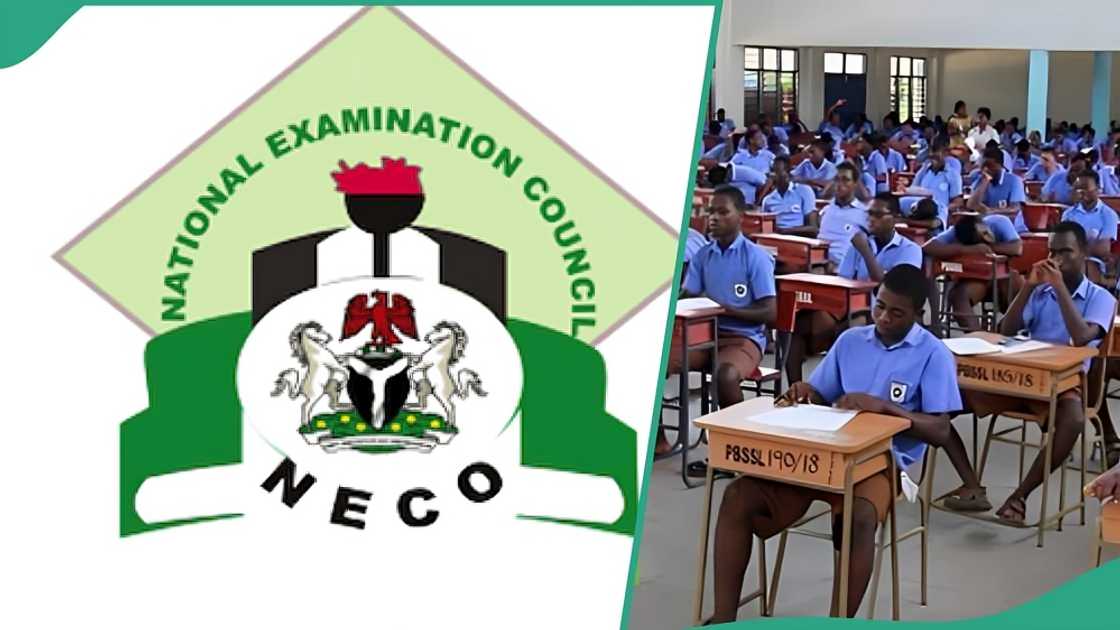
Local vigilante groups have successfully rescued several students of the National Examinations Council (NECO) who were abducted in Borno State, security sources confirmed on Monday.
The students were reportedly kidnapped while traveling or residing in the area for examination purposes. Details of the exact number rescued and the circumstances of the abduction remain limited, but eyewitness accounts indicate that vigilante fighters acting on intelligence engaged the kidnappers, leading to the release of the captives without major casualties reported among the students.
A community leader in the affected area praised the swift response of the vigilantes, stating that their deep knowledge of the local terrain played a crucial role in tracking the abductors. “These boys and girls were on their way to pursue their education. We thank God and our local defenders for bringing them back safely,” he said.
Borno State has faced persistent security challenges, including banditry and insurgent activities that have occasionally targeted schools and students. The rescue operation highlights the growing reliance on community-based security networks in complementing efforts by the Nigerian military and police in the region.
Authorities are yet to issue an official statement on the incident, but sources say efforts are ongoing to reunite the rescued students with their families and provide necessary medical and psychological support. Investigations into the kidnapping are also underway to apprehend those responsible.
This latest incident comes amid broader concerns over the safety of students in northern Nigeria during examination periods.
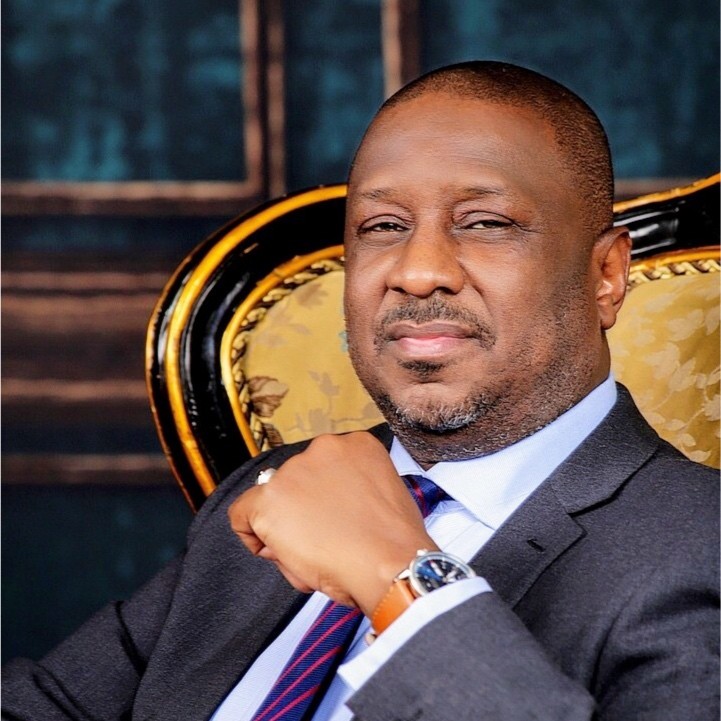
Nigeria’s anti-graft agency, the Economic and Financial Crimes Commission (EFCC), has filed separate money laundering charges against the immediate past Managing Directors of the Port Harcourt Refining Company (PHRC) and the Warri Refining and Petrochemical Company (WRPC).
The accused are Ahmed Adamu Dikko, former MD of the Port Harcourt Refinery, and Jimoh Olasunkanmi Yisawu, former MD of the Warri Refinery. The charges stem from the alleged diversion and laundering of funds earmarked for the rehabilitation of Nigeria’s state-owned refineries.
According to court documents and investigations by PREMIUM TIMES, the EFCC accused the former officials of abusing their positions by receiving and laundering large sums of money through third parties in connection with controversial turnaround maintenance contracts.
The probe forms part of a broader investigation into alleged fraud involving billions of dollars linked to the rehabilitation of the Port Harcourt, Warri, and Kaduna refineries. EFCC sources have indicated that the total amount under scrutiny runs into billions, with earlier recoveries reported at ₦38.66 billion alongside other properties.
The charges include multiple counts of money laundering, with Dikko and Yisawu allegedly involved in diverting public funds meant for critical refinery upgrades. This comes amid ongoing scrutiny of officials from the Nigerian National Petroleum Company Limited (NNPCL) and contractors involved in the projects.
The development is the latest in a series of actions by the EFCC targeting alleged corruption in Nigeria’s oil sector, where massive investments in refinery rehabilitation have yielded limited operational improvements despite significant expenditures.
As of the time of filing, court proceedings for the arraignment of the former MDs were underway. The EFCC has not yet issued an official statement on the matter.


16-Year-Old Osasere Okundaye Becomes Nigeria’s Youngest Chartered Accountant

JUST IN: Vigilante Groups Rescue Kidnapped NECO Students in Borno State

EFCC Charges Former Port Harcourt, Warri Refinery MDs with Money Laundering

Tech Expert, Zuckerberg trains with UFC champions, Adesanya, Alexander

Organ Trafficking: Ekweremadu bags 10 years in UK prison

SAINT OBI: Between his marriage and his death
-

 Crime3 days ago
BREAKING: JTF Rescues Five Kidnap Victims Along Benin-Ore Expressway
-

 News3 days ago
Lagos Urges Students to Lead Fight Against Sickle Cell Disorder
-
 News2 days ago
NDLEA, Army, NAFDAC, Agunechemba, Others Rally Against Drug Abuse in Anambra
-
 Business19 hours ago
Naira Exchange Rates Monday, 29 June 2026
-

 News3 days ago
DSS Releases, Compensates Man Wrongfully Held Over Boko Haram Links
-

 Health18 hours ago
WHO Confirms 1,300 deaths in Europe heatwaves
-
 Crime3 days ago
NDLEA Seizes 10,000kg Drugs, Convicts 173 in Niger
-
 News2 days ago
Sanwo-Olu Addresses PSP Operator’s Challenges , Announces Measures to Boost Waste Management (Photos)