
Business
How to Market and Sell Real Estate in Nigeria as a New Agent
Marketing is the heart of every real estate business. Without marketing, no one knows who you are or what you sell.


By Dennis Isong
When Tunde got his real estate license, he thought the deals would start rolling in immediately.
He imagined himself closing sales, posing for Instagram photos with happy clients, and earning commissions that would make his friends jealous. But three months later, he hadn’t sold a single plot of land.
He was frustrated, tired of hearing “I’ll get back to you,” and wondering if real estate was even for him.
If this story sounds familiar, don’t worry—you’re not alone. Many new agents in Nigeria experience the same reality.
The truth is that learning how to market and sell real estate in Nigeria as a new agent takes patience, strategy, and the right kind of exposure.
Nigeria’s property market is dynamic, competitive, and full of opportunities, but only those who understand how to position themselves can thrive.
This article will show you practical steps to not only survive but also grow as a new real estate agent in Nigeria.
1. Understanding the Nigerian Real Estate Market
Before diving into sales and marketing strategies, every new agent must first understand the market they are operating in.
Nigeria’s real estate market is not a one-size-fits-all environment.
Lagos, Abuja, Port Harcourt, and other cities all have their own rhythm and buyer behavior.
Lagos, for instance, is known for its fast-paced property transactions and high demand for both residential and commercial properties. Abuja, on the other hand, attracts more high-end and government-influenced deals.
As a new agent, your first task is to understand your local market thoroughly. Who are the people buying and selling? What kind of properties move faster? What are the trending areas?
For example, in Lagos, areas like Ibeju-Lekki, Ajah, and Epe are currently in high demand due to ongoing infrastructure development and the influx of investors.
Knowing this helps you target the right clients instead of marketing blindly.Also, familiarize yourself with property documentation, government policies, and titles like Certificate of Occupancy, Deed of Assignment, and Survey Plan.
Many new agents lose clients simply because they can’t confidently explain the meaning of these documents.
Knowledge gives you authority, and authority builds trust—a key ingredient for every real estate sale.
Understanding the Nigerian real estate market is like learning the traffic pattern of Lagos.
Once you know where the shortcuts and hold-ups are, you move faster and smarter.
2. Building Your Brand and Credibility
In real estate, people don’t just buy properties—they buy trust. And as a new agent, trust doesn’t come automatically. You have to earn it through consistency, authenticity, and visible professionalism.
Start by creating a strong personal brand.
This doesn’t mean expensive marketing campaigns or flashy suits; it means positioning yourself as reliable and knowledgeable.
Use your social media pages to educate, not just advertise.
Share tips on property buying, warn people about scams, and celebrate your clients’ successes.
Over time, your audience begins to see you as a genuine guide, not just a salesman.
Many new agents make the mistake of posting only “land for sale” flyers without building any real connection.
The Nigerian audience is more likely to buy from people they know, like, and trust.
So, while others are shouting “Buy now before the price increases,” you should focus on telling stories—stories about people who invested early, stories about community development, or even your personal journey as a realtor.
Additionally, ensure you have a clean online presence.
Create a professional WhatsApp display, have a neat profile picture, and use a consistent business name across platforms.
When someone Googles you or your business, they should see something credible.
Offline branding matters too. Attend networking events, property exhibitions, and seminars.
Hand out your business cards professionally.
Dress neatly and speak confidently. Every impression counts because in this business, one good connection can lead to multiple referrals.
Building credibility also means associating yourself with reputable real estate companies or developers.
When clients know you represent a trusted brand, it strengthens your position.
Remember, in Nigeria’s competitive market, people may forget your name, but they will never forget how you made them feel.
Your professionalism, honesty, and humility are the real marketing tools that attract clients again and again.
3. Mastering Marketing: Online and Offline
Marketing is the heart of every real estate business. Without marketing, no one knows who you are or what you sell.
As a new agent, mastering both online and offline marketing strategies is what will set you apart from others.
Let’s start with online marketing. The internet has become the biggest real estate marketplace in Nigeria.
Platforms like Instagram, Facebook, TikTok, and YouTube are no longer just for entertainment—they are where deals happen.
If you understand how to market and sell real estate in Nigeria as a new agent, you must learn to use these platforms effectively.
Create engaging content. Instead of simply posting “Land for sale at Ibeju-Lekki,” show the location in a short video.
Talk about nearby developments, show access roads, and explain why the land is a good investment.
Nigerians love visuals; when they see what you are talking about, they connect better.
Consistency is key. Post regularly, respond to messages quickly, and build conversations.
Attend local community events, visit estates under development, and meet with landowners or developers. Sometimes, the best deals come from word-of-mouth or face-to-face meetings
Don’t be afraid to go live on Instagram or Facebook to answer people’s property questions.
It might feel awkward at first, but every live session builds visibility.
You can also run paid ads on social media to reach a wider audience, especially Nigerians in the diaspora who are constantly searching for reliable property agents in Lagos, Abuja, and other cities.
Ensure your ads are well-targeted and have clear calls to action.However, online marketing alone is not enough.
The Nigerian real estate market still thrives on personal connections and trust built offline.
Attend local community events, visit estates under development, and meet with landowners or developers. Sometimes, the best deals come from word-of-mouth or face-to-face meetings.
Offline marketing could also mean printing flyers, putting up banners in strategic locations, or collaborating with local businesses.
For example, you can partner with surveyors, lawyers, or building contractors who can refer clients to you.
The more people you connect with, the wider your sales network becomes.
Ultimately, effective marketing is about visibility and communication. You must always be in front of people’s minds, both online and offline.
The day they decide to buy, you should be the first person they remember.
4. Learning the Art of Selling
Selling real estate is not just about showing land or houses—it’s about understanding human psychology.
Every buyer has a reason behind their decision, whether it’s security, investment, comfort, or prestige.
Your job as a new agent is to identify that reason and help them achieve it.When meeting a potential buyer, don’t rush to talk about price.
Start by asking questions: “What exactly are you looking for?” “Are you buying to build or for investment?” “What’s your preferred location?” These questions make clients feel understood, and when they trust that you have their interest at heart, they’re more likely to buy from you.
Follow-up is another powerful sales skill many agents ignore.
In Nigeria, clients rarely buy immediately. They often need time to think, confirm from others, or compare prices.
That’s where follow-up messages come in. Send polite reminders, share updates, or send them new listings. But avoid being pushy; people hate being pressured.Your presentation also matters.
When showing a property, be enthusiastic but realistic. Avoid overpromising. If there are challenges like poor roads or pending government approval, mention them and provide solutions.
Clients appreciate honesty, and it often leads to referrals even if they don’t buy immediately.
Negotiation is another critical part of learning how to market and sell real estate in Nigeria as a new agent. Nigerians love to negotiate, so don’t take it personally when a client offers a ridiculously low price.
Stay calm, know your facts, and explain the value behind the price. For instance, you can say, “Yes, this property costs a bit more, but it’s already fenced and close to the expressway, which increases its resale value.”
Facts always win arguments.You should also learn to close deals effectively. Many agents lose clients at the point of decision because they hesitate to ask for commitment.
Once you sense serious interest, move the conversation toward payment or documentation. Confidence and clarity are signs of professionalism.
Every successful sale, no matter how small, is a big win. Celebrate it. Share your success stories (with permission), and use them as testimonials for your next clients.
In real estate, one sale done right can open doors to ten more.
5. Growing Beyond the First Sale
Selling your first property is an exciting milestone, but it’s only the beginning.
To truly succeed in Nigerian real estate, you must learn how to grow and sustain your business.
Start by building relationships, not just making sales. Stay in touch with your clients even after they’ve bought property.
Call them occasionally, send greetings during festive seasons, and keep them updated about new opportunities.
A happy client will always refer new buyers to you.
In fact, most top realtors in Nigeria get more than half of their business from referrals.
Invest in continuous learning. Attend real estate training, webinars, and workshops.
Read books on sales, marketing, and personal development.
The more you know, the more confident you become.
Nigeria’s property market keeps evolving—new laws, new technologies, new trends—so staying updated keeps you ahead.Technology is another tool for growth.
Use CRM (Customer Relationship Management) tools to organize your contacts and follow up systematically.
Use Google Maps to understand property locations, and use WhatsApp broadcast lists to share new listings.
These small efforts make a big difference.
Another aspect of growth is specialization.
Over time, identify your niche. You can focus on residential sales, luxury homes, commercial property, or land banking.
Specializing helps you build expertise and attract the right clients.
Finally, maintain integrity. In an industry full of scams and half-truths, honesty will set you apart.
Always verify your information before marketing a property.
If you don’t know something, say so and promise to find out.
Never compromise your name for quick profit.
As your reputation grows, so will your income. You’ll start getting calls from Nigerians in the diaspora, referrals from satisfied clients, and invitations from developers who want you on their team.
That’s when you’ll realize you’ve moved from being a new agent to a trusted professional.
Conclusion
Learning how to market and sell real estate in Nigeria as a new agent is not about luck or magic. It’s about consistency, knowledge, and the willingness to grow.
Every call you make, every post you share, every deal you close—no matter how small—takes you one step closer to becoming a top realtor.
Like Tunde in our story, every beginner faces challenges, but those who keep learning, adapting, and building relationships eventually find their place in the industry.
Real estate is not just about selling land or houses; it’s about connecting people to their dreams.
And when you do that with integrity and passion, success naturally follows.
So, whether you’re just starting out or trying to revive your career, remember to stay visible, stay credible, and never stop learning.
The market is big enough for everyone—but only those who play smart and stay consistent truly thrive.
• Dennis Isong is a Top Realtor in Lagos. He helps Nigerians in the diaspora own property in Lagos, Nigeria, stress-free. For inquiries, WhatsApp/Call +2348164741041.
Business
Cybercriminals cloning DStv, other brands to steal bank accounts across Africa
According to cybersecurity company NordVPN, the campaign distributes Remote Access Trojans (RATs) and banking trojans, forms of malware that can give criminals control over infected devices and access to sensitive information.


Cybercriminals are impersonating popular companies and government agencies across Africa in a campaign designed to take over smartphones and bank accounts.
More than 100 fake websites linked to the malware campaign have been identified since August 2025.
Brands including DStv, Takealot and South African Airways, as well as the South African Revenue Service (SARS), are being used to make fraudulent messages and websites appear legitimate.
According to cybersecurity company NordVPN, the campaign distributes Remote Access Trojans (RATs) and banking trojans, forms of malware that can give criminals control over infected devices and access to sensitive information.
The attacks are particularly concerning in South Africa, where Android dominates the mobile operating system market.
NordVPN said the attacks typically begin with social engineering, where criminals send convincing messages through SMS, WhatsApp or social media.
The messages may contain urgent offers or requests involving job opportunities, tax refunds, identity renewals or pension verification.
Victims are then directed to fake websites designed to closely resemble the official websites of trusted organisations.
The sites encourage users to download an Android application. Once installed, the malicious software can operate quietly in the background, including after the smartphone is restarted.
Business
Cement price hits N16,000 per bag
The current cement prices mark a steep rise from late 2024, when a bag sold for around N7,500.

• Chairman of BUA cement, Abdul Samad Rabiu (ASR)
Cement dealers across Nigeria have announced fresh price increases, with a 50kg bag now selling for as much as N16,000 in some markets, up from N13,000 recorded by buyers just days earlier.
The current cement prices mark a steep rise from late 2024, when a bag sold for around N7,500.
By the third quarter of 2025, that had risen to about N9,000 before reaching the N12,000 to N16,000 range now seen across different locations.
Other building materials have followed a similar upward path. Blocks have climbed from around N600 to N1,100 each.
Sand has gone from N165,000 to N250,000 per 30 tonnes. Granite has risen from N530,000 to N780,000 per 30 tonnes.
Reinforcing steel now costs N1.15 million per tonne, up from N850,000.
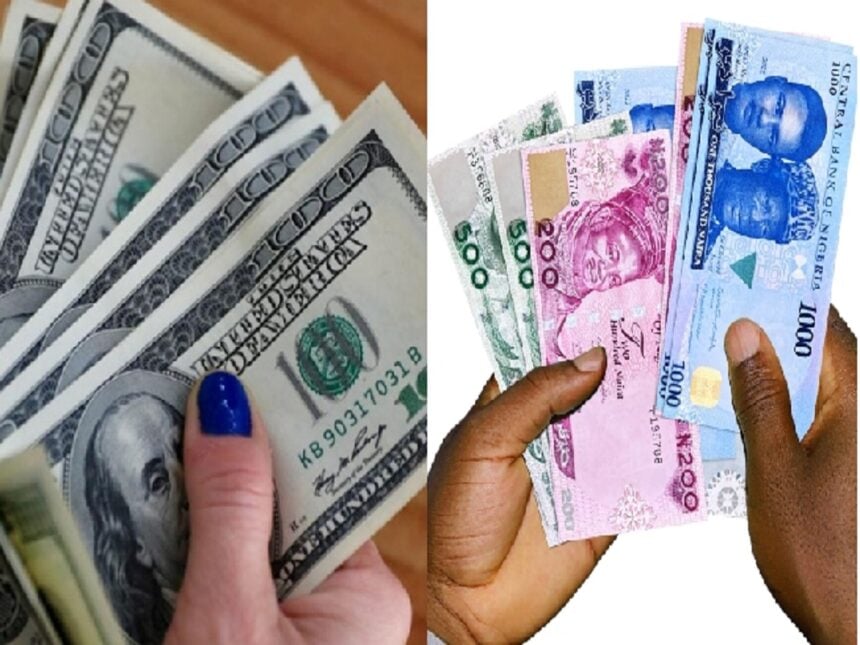
BLACK MARKET RATES
US Dollar (USD) Buy ₦1,405 Sell ₦1,410
Great British Pound(GBP) Buy ₦1,890 Sell: ₦1,915
EURO (EUR) Buy ₦1,590 Sell ₦1,610
Canadian Dollar (CAD) Buy ₦1,020 Sell ₦1,080
South African Rand (ZAR) Buy ₦75 Sell ₦90Ghana CEDI (GHS) Buy ₦95 Sell ₦110
West African CFA Buy ₦2, 300 Sell ₦2, 400
CENTRAL AFRICAN CFA Buy ₦2,150 Sell 2,250
CBN Exchange Rates
US Dollar (USD) ₦1,374.63
Great British Pound (GBP) ₦1,838.70
EURO (EUR) ₦1,574.97
Swiss Franc (CHF) ₦1,687.70
Chinese Yuan (CNY) ₦200.42
Japanese Yen (Yen) ₦8.49
West African CFA (XOF) ₦2.37
West African Unit Account (WAUA) ₦1,848.41
Saudi Riyal (SAR) ₦358.91
South African Rand (ZAR) ₦83.35


BREAKING: Veteran Nollywood Actor Taiwo Hassan ‘Ogogo’ Reportedly Dies at 66

NGE 2026 Conference: Onaiyekan, Mbah, Osigwe, Others to Speak in Enugu

Tinubu Names Yari, DG Presidential Campaign Council

Tech Expert, Zuckerberg trains with UFC champions, Adesanya, Alexander

Organ Trafficking: Ekweremadu bags 10 years in UK prison

SAINT OBI: Between his marriage and his death
-

 News3 days ago
FG Declares August 25 Eid ul Mawlid Public Holiday
-

 News3 days ago
BREAKING: ICPC Uncovers Another Fake Agency Operating Inside SGF’s Office (Video)
-

 News3 days ago
FBI to US court: Lives could be endangered if we release Tinubu’s records
-

 News3 days ago
2027 Polls: INEC Fixes November For Nationwide Mock Accreditation Exercise
-

 News3 days ago
Enugu Air: NSIB releases preliminary report
-

 Politics3 days ago
Oyebamiji Meets Tinubu After Osun Poll
-

 Politics2 days ago
Tinubu chairs APC Presidential Campaign Council
-

 Politics1 day ago
APC Chair Dies After Collapse at Kogi Meeting