
Business
Court backs NIBSS’ right to manage BVN database
The company sued the Incorporated Trustees of Digital Rights Lawyers Initiative, the CBN, and the Attorney General of the Federation.

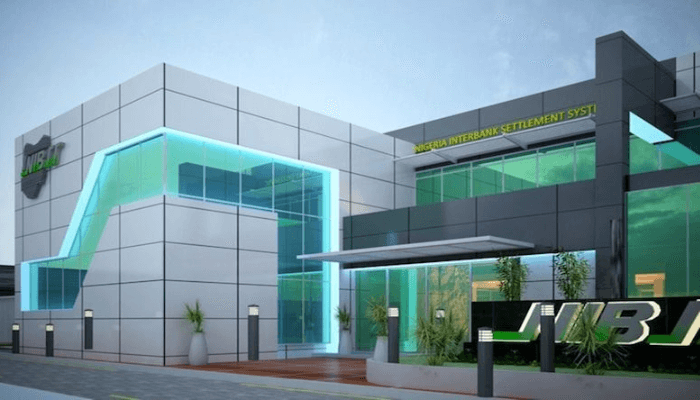
A federal high court in Abuja has ruled that the Nigeria Inter-Bank Settlement System (NIBSS) has the legal right to manage the country’s bank verification number (BVN) database.
Justice James Omotosho delivered the judgment on Friday, declaring that NIBSS operations comply with the Central Bank of Nigeria (CBN) Act and other relevant financial laws.
BusinessDay reported that the case arose after NIBSS, represented by senior advocate Wolemi Esan, took legal action to confirm its authority over the BVN system.
The company sued the Incorporated Trustees of Digital Rights Lawyers Initiative, the CBN, and the Attorney General of the Federation.
NIBSS wanted the court to declare that its management of BVN data does not violate Nigerians’ constitutional right to privacy or break any existing laws.
The company also sought a permanent court order preventing anyone, including the Digital Rights Lawyers Initiative, from challenging its role.
The bank settlement system argued that it has the power to develop and regulate nationwide infrastructure for electronic payments and fund transfers, which includes the BVN system.

Official CBN Exchange Rates

US DOLLAR (USD) ₦1,380. 11
GREAT BRITISH POUND (GBP) ₦1,818.34
EURO (EUR) ₦1,566.84
SWISS FRANC (CHF) ₦1,698.80
JAPANESE YEN (JPN) ₦8.53
CHINESE YUAN (CNY) ₦202. 99
WEST AFRICAN CFA (XOF) ₦2.39
WEST AFRICAN UNIT ACCOUNT (WAUA) ₦1,866. 38
SAUDI RIYAL (SAR) ₦367.54
SOUTH AFRICAN RAND (ZAR) ₦83.65
BLACK MARKET RATES
US DOLLAR (USD) Buy ₦1, 392 Sell ₦1, 395
GREAT BRITISH POUND (GBP) Buy ₦1,850 Sell: ₦1,865
EURO (EUR) Buy ₦1, 580 Sell ₦1,600
CANADIAN DOLLAR (CAD) Buy ₦1,030 Sell ₦1,100
SOUTH AFRICAN RAND (ZAR) Buy ₦75 Sell ₦90
UAE DIRHAM Buy ₦350 Sell ₦370
CHINESE YUAN Buy ₦180 Sell ₦200
GHANA CEDI (GHS) Buy ₦95 Sell ₦110
WEST AFRICAN CFA Buy ₦2, 380 Sell ₦2, 460
CENTRAL AFRICAN CFA Buy ₦2, 220 Sell 2,300
AUSTRALIAN DOLLAR Buy ₦800 Sell ₦900
Official CBN Exchange Rates
US DOLLAR (USD) ₦1,380.08
GREAT BRITISH POUND (GBP) ₦1,815. 63
EURO (EUR) ₦1,566.63
SWISS FRANC (CHF) ₦1,696.05
JAPANESE YEN (JPN) ₦8.53
CHINESE YUAN (CNY) ₦202.62
WEST AFRICAN CFA (XOF) ₦2.38
WEST AFRICAN UNIT ACCOUNT (WAUA) ₦1,858. 54
SAUDI RIYAL (SAR) ₦367.58
SOUTH AFRICAN RAND (ZAR) ₦82. 91
BLACK MARKET RATES
US DOLLAR (USD) Buy ₦1, 390 Sell ₦1, 395
GREAT BRITISH POUND (GBP) Buy ₦1,845 Sell: ₦1,865
EURO (EUR) Buy ₦1, 580 Sell ₦1,600
CANADIAN DOLLAR (CAD) Buy ₦1,030 Sell ₦1,100
SOUTH AFRICAN RAND (ZAR) Buy ₦75 Sell ₦90
UAE DIRHAM Buy ₦350 Sell ₦370
CHINESE YUAN Buy ₦180 Sell ₦200
GHANA CEDI (GHS) Buy ₦95 Sell ₦110
WEST AFRICAN CFA Buy ₦2, 380 Sell ₦2, 460
CENTRAL AFRICAN CFA Buy ₦2, 220 Sell 2,300
AUSTRALIAN DOLLAR Buy ₦800 Sell ₦900

Dangote Petroleum Refinery has strongly rejected allegations that its refined petroleum products are exported to Lomé, Togo, and later re-imported into Nigeria.
In a statement issued on Tuesday, the refinery described the claims as “a web of falsehoods,” “baseless,” and “unsubstantiated,” arguing they lack commercial logic and contradict its core business objectives of boosting local production and achieving energy self-sufficiency.
The refinery emphasized that its sales contracts and tender terms explicitly prohibit buyers from reselling or re-importing the products back into Nigeria. It further noted that available trade data and the high costs of round-trip shipping (estimated at US$68–90 per ton) make such a scheme economically unviable.
The allegations surfaced amid reports suggesting that a significant portion of Nigeria’s seaborne fuel imports between March and May 2026 originated from Dangote products rerouted through the offshore ship-to-ship trading hub in Lomé.
Some marketers claimed pricing differences made it cheaper to buy from foreign traders via Togo.
Dangote Refinery dismissed these assertions, insisting there is no evidence to support them and reaffirming its commitment to supplying high-quality fuels directly to the Nigerian market at competitive prices.
The development highlights ongoing tensions as the refinery continues to reduce Nigeria’s reliance on fuel imports.


NDLEA, Army, NAFDAC, Agunechemba, Others Rally Against Drug Abuse in Anambra

Sanwo-Olu Addresses PSP Operator’s Challenges , Announces Measures to Boost Waste Management (Photos)

Benue Governor Alia Condemns Killing of MACBAN Chairman, Orders Immediate Investigation

Tech Expert, Zuckerberg trains with UFC champions, Adesanya, Alexander

Organ Trafficking: Ekweremadu bags 10 years in UK prison

SAINT OBI: Between his marriage and his death
-

 News3 days ago
Supreme Court gets new Justice today., Joseph Oyewole
-

 International3 days ago
7.5 magnitude earthquakes hit Venezuela, causing widespread damage
-

 Sports3 days ago
NFF pledges wider access to CAF coaching courses across Nigeria
-

 News2 days ago
COLLAPSE BUILDING UPDATE: Rescue Operation Underway at Satellite Town Building Collapse Site (Images)
-

 News2 days ago
Court Fixes Sept 29 for Ruling on Fresh Inquest into Mohbad’s Death
-

 International2 days ago
Venezuela earthquakes: Death toll hits 164 and 97 injured, says acting president
-

 News3 days ago
NPF Confirm Katsina Viral Video of Armed Men’re Security Volunteers
-

 Sports3 days ago
Vinícius Júnior scores 2 goals as Brazil beats Scotland 3-0 to win its World Cup group