
Business
How Lagos Smart City Projects Are Transforming Real Estate Investment Opportunities in 2025 by Dennis Isong
What is a Smart City? A smart city uses digital technology and data to make life easier, safer, and more efficient for residents


Lagos has always been the heartbeat of Nigeria’s economy, but in 2025, the game has completely changed.
Smart city projects like Eko Atlantic, Alaro City, and Lekki Free Zone are not just buzzwords anymore — they are real, thriving hubs that are redefining real estate investment opportunities in Lagos.
If you’re thinking about buying, investing, or simply understanding where the next big wave is in property, this is the right time to pay attention.
What is a Smart City?
A smart city uses digital technology and data to make life easier, safer, and more efficient for residents.
Think better roads, uninterrupted electricity, clean water, efficient waste management, and smart housing — all working together like clockwork.
Lagos is on a mission to create cities that think, learn, and adapt, making it one of the fastest-emerging smart hubs in Africa.
Major Lagos Smart City Projects to Watch in 2051.
- 1.Eko Atlantic City
Eko Atlantic is often called the “Dubai of Africa,” and rightly so. Built on reclaimed land from the Atlantic Ocean, this city offers:
World-class residential apartments
Top-grade commercial offices
Luxury hotels and entertainment zones
Property prices in Eko Atlantic are rising fast, with a strong influx of international investors.
2. Alaro City
Located within the Lekki Free Zone, Alaro City is designed for mixed-use — industrial, commercial, and residential purposes. It promises:Industrial warehouses
Modern homes Commercial spaces Green parks and world-class roads
Good News: Early investors are already reaping returns as land prices have appreciated significantly since launch.
Smart city projects like Eko Atlantic, Alaro City, and Lekki Free Zone are not just buzzwords anymore — they are real, thriving hubs that are redefining real estate investment opportunities in Lagos.
3. Lekki Free Zone
This project is a full package — industries, ports (Lekki Deep Sea Port), and residential areas, all integrated with technology for easy living.
The Lekki-Epe axis is exploding with demand for residential and industrial real estate.
Why Smart Cities Are Shaping the Future of Real Estate Investment
High Demand for Housing: Tech professionals and foreign investors moving into these smart cities will need accommodation.
Strong Rental Yields:
Short-let apartments and high-end rentals in these zones are already fetching excellent returns.Better Infrastructure:
Investors love stable electricity, good roads, and security — all essentials in smart cities.Increase in Land Value: Buying early in or near these projects can multiply your investment within a few years.
Areas Around Smart Cities You Should Be Watching
Ibeju-Lekki (close to Alaro City and Lekki Free Zone)Victoria Island Extension (near Eko Atlantic) Epe (the new frontier for affordable investments).
Now is the Time to Position Yourself.
The Lagos smart city revolution is not something to watch from afar — it’s happening now.
Early movers are locking down prime properties, while others will pay premium prices later.
If you have been thinking about owning real estate in Lagos, focusing on smart city areas is your golden ticket.Take Action Today!
If you need guidance or help securing high-potential properties, don’t worry — your favorite real estate plug, Dennis Isong, is just a call away.
STOP LOSING MONEY IN LAGOS REAL ESTATE!
Learn How to Protect Your Investment Today. => LandProperty.ng/free Your future deserves the assurance of due diligence.
Business
Textiles was my biggest business mistake — Dangote
Dangote disclosed that almost 8,000 workers were laid off across the textile business, with 6,920 of them coming from Nigerian Textile Mills in Ikeja alone.

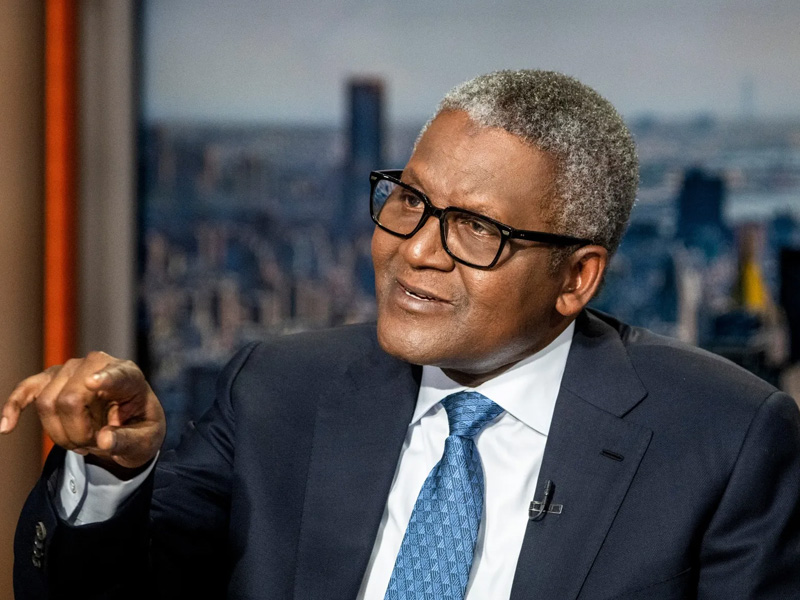
•Aliko Dangote
President of Dangote Group, Aliko Dangote, has described his investment in the textile industry as the biggest business mistake of his decades in business.
Dangote made the disclosure during an appearance on Arise Television, where he reflected on some of the challenges he encountered while building his business empire.
Dangote’s comments come amid ongoing concerns over the survival of local manufacturing industries and the impact of imported goods on domestic production and employment.
“My biggest business mistake was textiles,” he said.
According to the industrialist, the textile business eventually collapsed due to inadequate policy protection and what he described as dumping by foreign manufacturers.
“We were swamped by Chinese dumping and Indian dumping. So eventually we had to close down,” Dangote said.
He said the closure had a significant impact on workers, particularly employees of Nigerian Textile Mills in Ikeja, Lagos.
Dangote disclosed that almost 8,000 workers were laid off across the textile business, with 6,920 of them coming from Nigerian Textile Mills in Ikeja alone.
He said the experience shaped his approach to subsequent investments, stressing the need to ensure that businesses remain viable even when government protection is eventually withdrawn.
Business
Dangote: Africa Is Like a ‘Scratch Card’ — Opportunities Are Immense
Dangote’s message, therefore, extends beyond the refinery itself: Africa’s opportunities will remain invisible unless capital is deployed to “scratch” the surface and turn potential into productive assets.
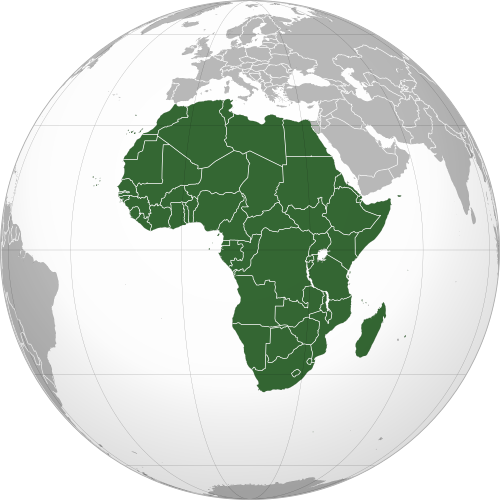
| map of Africa by Wikipedia
By Ochefa
Africa is sitting on enormous economic opportunities that remain largely untapped, President and Chief Executive Officer of Dangote Industries Limited, Alhaji Aliko Dangote, has declared.
Dangote likened the continent to a “scratch card”, saying its vast opportunities would only become visible when Africans and investors take deliberate steps to unlock them.
“Africa is like a scratch card. Unless you scratch it, you don’t see the use of it. The opportunities are immense,” Dangote said.
He spoke in Lagos during the Dangote Petroleum Refinery and Petrochemicals “Facts Behind the Offer” presentation and opening gong ceremony, held to mark the formal opening of the refinery’s Initial Public Offering (IPO) on the Nigerian Exchange Limited (NGX).
The offer comprises 4.1 billion new ordinary shares at ₦525 per share, giving the issue a value of about ₦2.15 trillion, with a minimum subscription of 10 shares valued at ₦5,250. The offer is scheduled to close on October 13, 2026, subject to the terms contained in the prospectus.
Dangote said the group was looking beyond Nigeria as it seeks to expand its industrial footprint across Africa, disclosing plans being explored for the establishment of a refinery in Lamu, Kenya.
The move, he said, reflects the need to build African businesses capable of attracting large-scale international capital while creating greater economic integration across the continent.
According to him, the Dangote Group’s expansion strategy is not simply about building individual businesses, but about creating platforms through which Africans and international investors can participate in the continent’s economic transformation.
“What we are trying to do is to open up the market and make sure that when we open up the market, Africans and non-Africans will join us to have what you call the new Africa rising,” he said.
The refinery IPO represents a major test of Nigeria’s ability to mobilise domestic and international capital behind large-scale industrial projects.
Dangote urged Nigerians and other Africans to seize the opportunity presented by the offer, arguing that the refinery has the potential to become Africa’s largest company by the end of 2026.
His “scratch card” analogy captures the central argument behind the expansion strategy: Africa’s economic potential may be enormous, but unlocking it requires capital, infrastructure, industrial investment and businesses willing to take long-term risks.
For Nigeria, the refinery’s public offering also signals a potentially significant shift in the ownership structure of one of the country’s biggest industrial assets—from a project largely associated with one private investor to an enterprise in which a broader pool of investors can participate.
The development comes as Nigeria seeks to deepen its capital market, retain more domestic savings within the economy and mobilise long-term funding for productive investment.
Dangote’s message, therefore, extends beyond the refinery itself: Africa’s opportunities will remain invisible unless capital is deployed to “scratch” the surface and turn potential into productive assets.

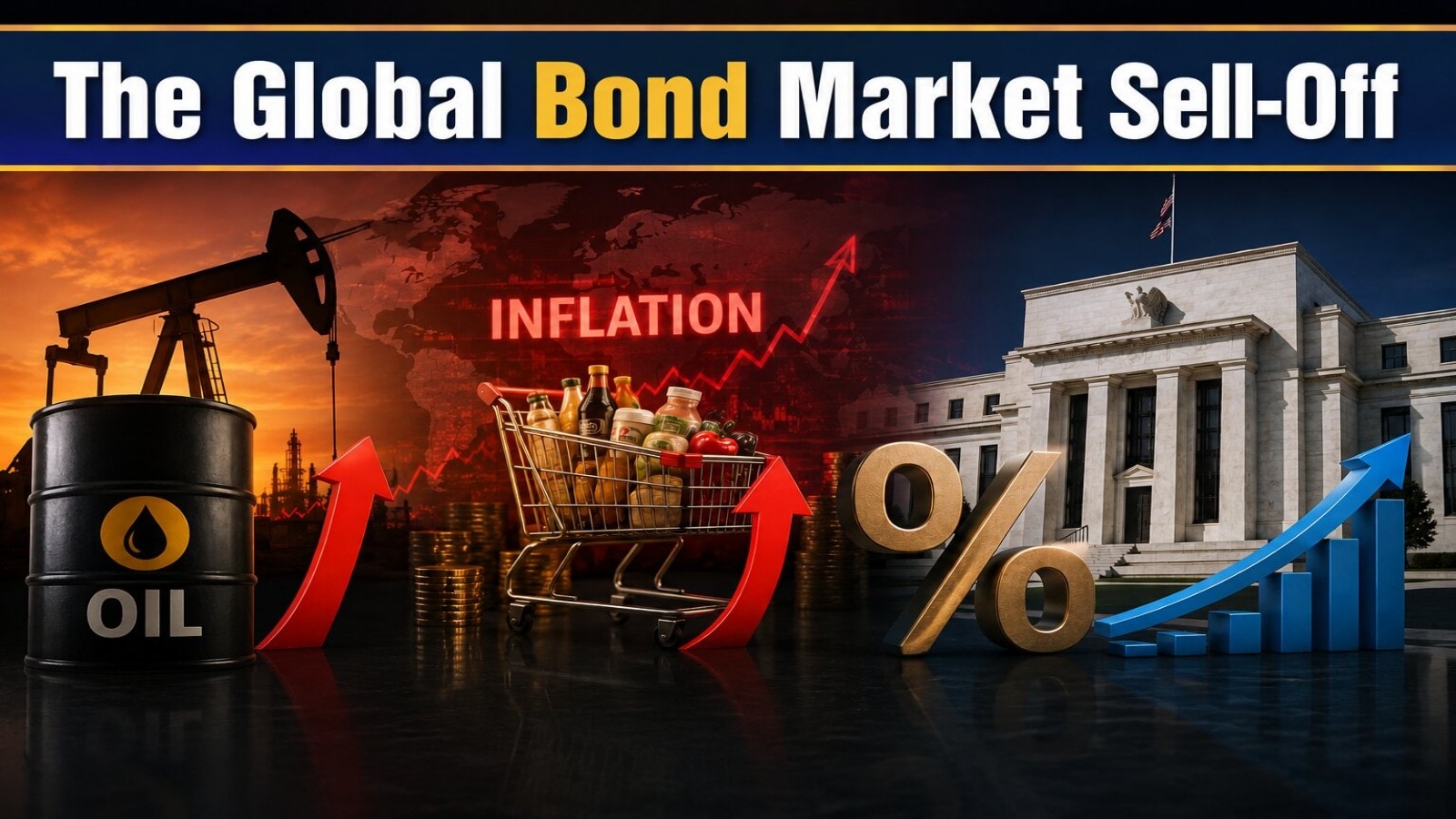
A sharp selloff in the US bond market has driven the benchmark Treasury yield above 5%, sending shockwaves through equity markets and heightening investor anxiety.
The surge in yields, particularly on the 10-year Treasury note, reflects growing concerns over persistent inflation, the outlook for interest rates, and the broader path of monetary policy. As bond prices fell, yields climbed past the psychologically important 5% threshold, marking a significant move that has unsettled risk assets.
US stock markets reacted with broad declines, as higher yields increased the attractiveness of fixed-income investments relative to equities and raised borrowing costs for companies. Major indices came under pressure, with investors reassessing valuations amid the rising cost of capital.
Market analysts note that the rapid move higher in yields has intensified volatility across asset classes. Traders are closely watching upcoming economic data and any signals from the Federal Reserve for clues on whether the upward pressure on yields will persist.
The development underscores the sensitivity of both bond and equity markets to shifting expectations around inflation and monetary policy in the world’s largest economy.


Millions affected as floods strike India

JUST IN: All Occupants Survive as Aircraft Crashes, Catches Fire

Textiles was my biggest business mistake — Dangote

Tech Expert, Zuckerberg trains with UFC champions, Adesanya, Alexander

Organ Trafficking: Ekweremadu bags 10 years in UK prison

SAINT OBI: Between his marriage and his death
-
 Business2 days ago
Naira Exchange Rates To Dollar, Pound , Euro… September 14
-
 Business2 days ago
Filling Stations Selling Petrol, Diesel Higher Driven By Global Crude Prices
-
 Business2 days ago
Dangote at IPO Listing, Charges Public,”I don’t want to be called richest man in Africa”
-
 Politics1 day ago
Again, Desmond Elliot begs political mentor,Gbajabiamila , “I’m sorry, Daddy”
-
 News17 hours ago
Boko Haram Denies Ceasefire with FG, Vows Continued Attacks
-
 Business2 days ago
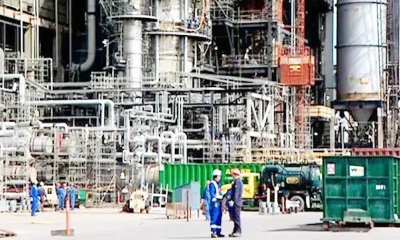
Dangote Refinery’s IPO Officially Opens Today On NGX
-

 News17 hours ago
Police Raise Alarm Over Terrorists and Informants Spying on Schools, Other Targets
-
 Crime16 hours ago
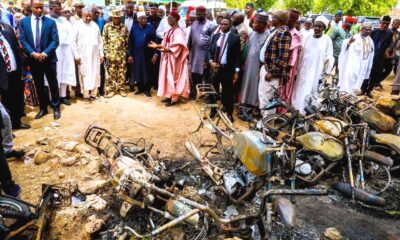
Boko Haram Attacks Adamawa Community, Kills Residents