
Health
Sufferer of Kidney Failure, Sewanu, Needs Your Help
Dialisys is 55k per session at Gbagada hospital but in some places it’s over 130k. So this is how I have been doing it since until later I was told at the hospital to go for kidney transplant but before I go for transplant, I will still be doing my dialisys twice a week.

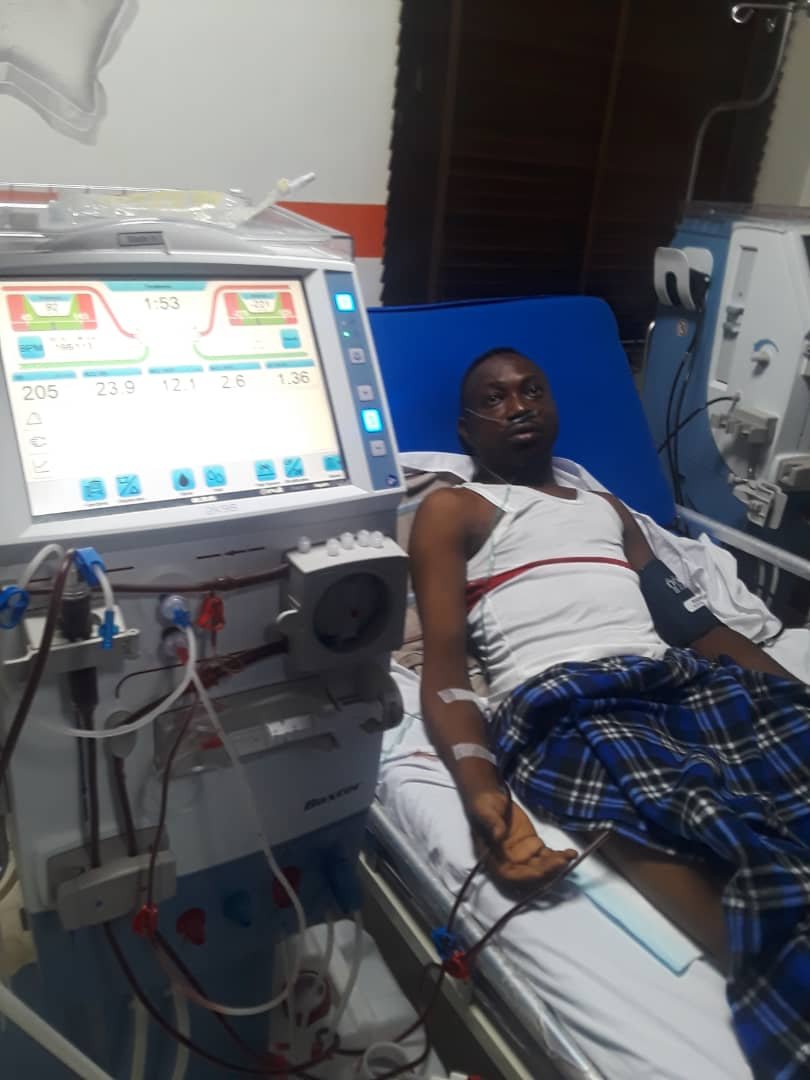
Shared by Dr Love , on X (Twitter):
My name is Hosu moses sewanu, a native of Ipokia local government in ogun state, was born and raised in Lagos state .
My dad is late, I still have my mum and am the second out of the family of 3.
It all started late 2023, I woke one morning and I noticed that the left side of my head was seriously pounding so I took paracetamol just like the normal thing thinking it was just an ordinary headache but after taking the paracetamol few minute later the headache started again to the extent that it was difficult for me to turn my neck so I managed it like that for about 3 days but when the aching didn’t stop I had to call my mum to tell her what I was facing so she said to me that I should try and come over to her place, on getting to my mum’s place.
She decided that I have to go to Randle general hospital that I should go and complain there about my health.
Immediately I got to Randle, checking my blood pressure level, it was very high and I was referred to the emergency department for quick response, at the emergency, I was required to do some laboratory tests which I did.
So I was admitted immediately for about 4 days, later the doctor told me to go and redo the same test again at another laboratory center outside the hospital. When the results came out, it was reading that I am having chronic kidney failure.
When I was told about the situation, my entire body was very buttered that I almost run mad.
When my mum came. She was also told the same thing then I was referred to gbagada general hospital for proper treatment and to be seeing a neufrologist that is the specialist doctor for kidney cases.
So I started visiting gbagada hospital for check ups and clinic days. By that time my body have not started noticing it like that nor until late 2024
I started feeling very weak, I don’t sleep at night, I couldn’t eat like that, my entire body was down.
So I tried going back to the hospital at Gbagada, there I was admitted instantly and they started the treatment process, later on, I was told to start dialisys, that I should do five, so I started dialisysing at Gbagada hospital at first It was five. After doing the five, I was told to start another five again .
Making it 10 sessions ater doing the 10th session I was discharged home just to be attending the clinic alone, later I was told at the clinic that I should not stop the dialisys that this time, I have to be doing it twice a week.
Dialisys is 55k per session at Gbagada hospital but in some places it’s over 130k. So this is how I have been doing it since until later I was told at the hospital to go for kidney transplant but before I go for transplant, I will still be doing my dialisys twice a week.
So far now, I have done 23 sessions of dialisys and still counting. As it is now, I don’t work again, I can’t even do anything now, even to move around like before is really difficult because the whole thing have started manifesting I mean my body can’t carry me like before.
I am in very severe pain, the drugs prescribed for me by the doctors are very expensive and they are much all are compulsory for me to buy.
Hmm I pray that God should send me help from above, a miracle is what I am expecting.
This is the little I can say about my state of health now.
0119741433 GT bank account, Hosu Moses sewanu
Or
1229255323 Zenith bank
Health
Ebola: President Tinubu approves N10bn to strengthen NCDC preparedness
This follows the rapidly expanding outbreak that has already killed at least 349 people across the Democratic Republic of Congo and Uganda, with the World Health Organisation declaring it a Public Health Emergency of International Concern.
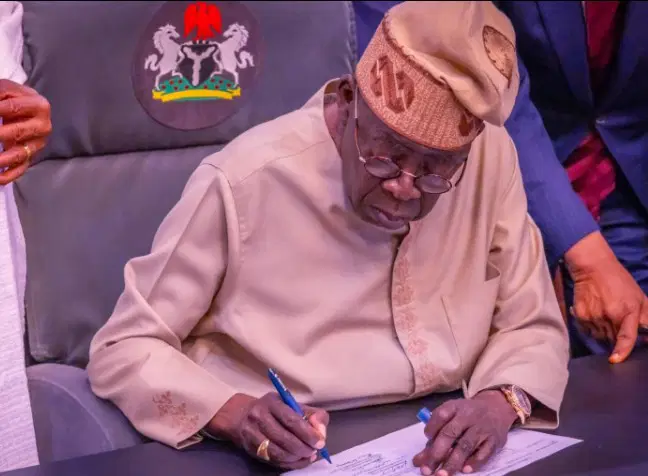
President Bola Tinubu has approved the immediate release of N10 billion to strengthen the operational preparedness of the Nigeria Centre for Disease Control and prevention and support critical national public health emergency response activities.
The President also established a Presidential Task Force on Ebola Virus Disease Preparedness and Control.
This follows the rapidly expanding outbreak that has already killed at least 349 people across the Democratic Republic of Congo and Uganda, with the World Health Organisation declaring it a Public Health Emergency of International Concern.
A statement by the Special Adviser to the President on Information and Strategy, Bayo Onanuga, said the task force would be chaired by the Chief of Staff to the President, Femi Gbajabiamila, with membership drawn from relevant ministries, departments and agencies .
The task force was constituted following a stakeholder meeting convened by Gbajabiamila to review Nigeria’s preparedness.
It was attended by representatives from the Ministry of Interior, the Federal Airports Authority of Nigeria, the Nigeria Immigration Service, the Nigerian Civil Aviation Authority and the Lagos State Government, among others.
Health
Senate passes bill to establish Malaria Elimination Agency
The bill, sponsored by Ned Nwoko, scaled third reading on Wednesday after the Senate considered and adopted the report of its Committee on Health (Secondary and Tertiary), chaired by Ipalibo Banigo.
The Senate has passed a bill seeking to establish a National Agency for Malaria Elimination saddled with the responsibility of preventing, controlling and ultimately eliminating malaria in Nigeria.
The bill, sponsored by Ned Nwoko, scaled third reading on Wednesday after the Senate considered and adopted the report of its Committee on Health (Secondary and Tertiary), chaired by Ipalibo Banigo.
Presenting the report on behalf of Banigo, Sampson Ekong said the proposed agency would serve as the central body responsible for coordinating national efforts aimed at preventing, controlling and ultimately eliminating malaria in Nigeria.
The Senate said the agency seeks to mark a shift in the country’s approach to malaria management from treatment-focused interventions to preventive and elimination strategies.
“The agency, when established, will help shift the country’s approach from curative measures to prevention and eventual elimination of malaria,” it stated.
(Source: The SUN)
Health
Cross River restores molecular laboratoy for TB, HIV, Mpox testing
This place is arranged to address issues of TB, HIV and other outbreaks. Mpox, Lassa fever and even Ebola-related surveillance can be handled here. Most of the essential services have now been restored,” he said.
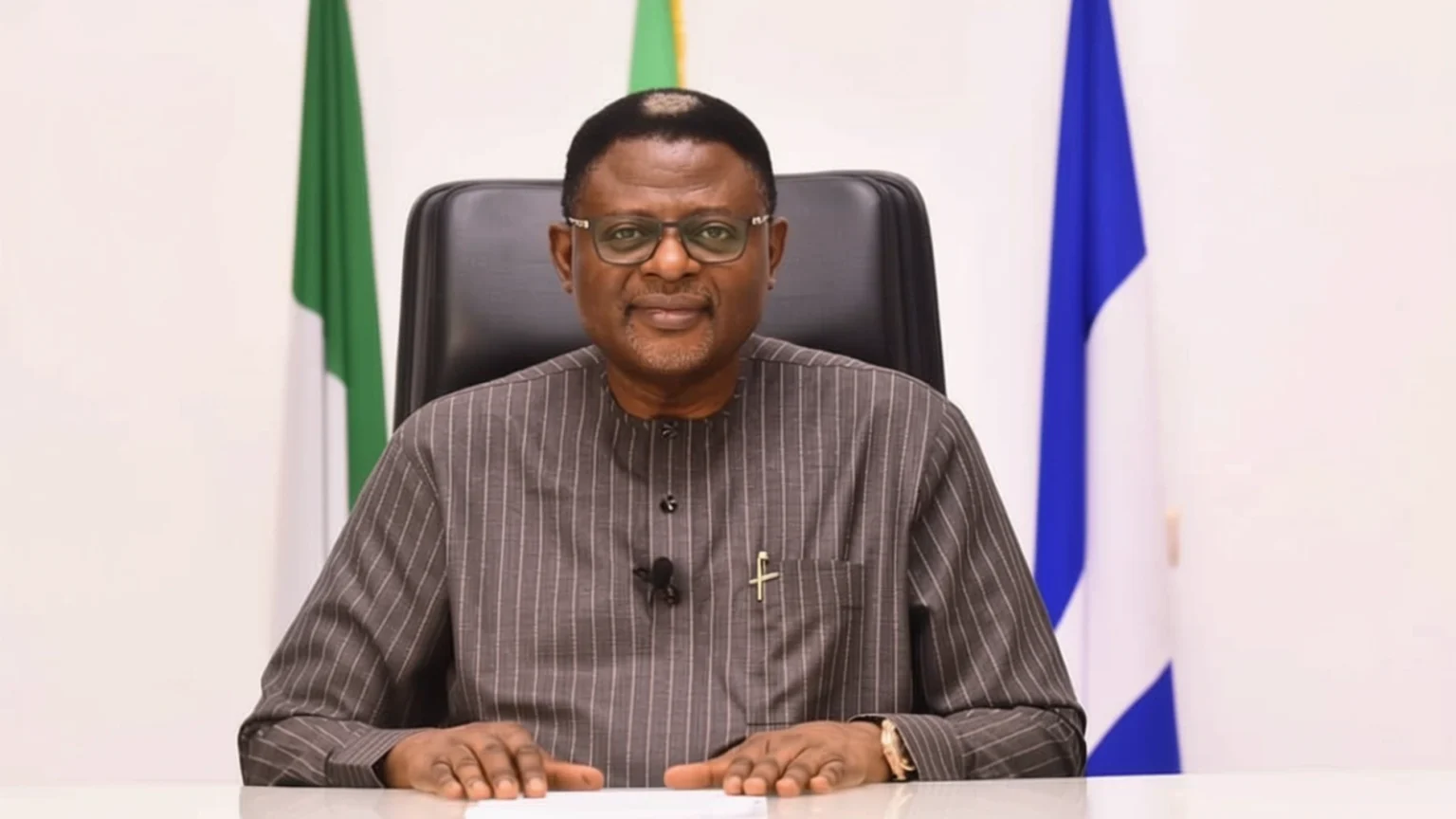
Photo : Governor Bassey Otu of Cross River State
The Cross River State Government has announced that the molecular laboratory services at Dr. Lawrence Henshaw Memorial Hospital now conducts molecular testing for tuberculosis, HIV and Mpox while retaining the capacity to support surveillance and response efforts for emerging public health threats..
The Commissioner for Health, Dr. Egbe Ayuk, disclosed this on Tuesday during an inspection tour of the hospital alongside journalists in Calabar.
Ayuk said that the molecular laboratory, which serves as one of the state’s key public health surveillance centres, has resumed most of its essential functions following rehabilitation efforts supported by the state government and development partners.
“This place is arranged to address issues of TB, HIV and other outbreaks. Mpox, Lassa fever and even Ebola-related surveillance can be handled here. Most of the essential services have now been restored,” he said.
The commissioner explained that although the facility suffered extensive damage during the EndSARS unrest, significant progress has been made in rebuilding critical infrastructure and restoring laboratory operations.


Tinubu Extends Tenure of Customs Boss Adeniyi by Six Months

IGP Disu Appoints CSP Anietie Iniedu As New Force PRO

EFCC Arrests Nigerian-American Over N434m Vehicle Import Fraud

Tech Expert, Zuckerberg trains with UFC champions, Adesanya, Alexander

Organ Trafficking: Ekweremadu bags 10 years in UK prison

SAINT OBI: Between his marriage and his death
-
 News3 days ago
EFCC Arrests Aviation Inspector, Two Others for Alleged Cash, Gold Smuggling in Kano
-
 News2 days ago
JAMB releases 2026 UTME original result slips for printing
-

 Business3 days ago
Naira Exchange Rates Wednesday June 17
-
 Business2 days ago
Enugu Air, airport concession to support state’s $30bn economy goal –Commissioner
-
 News2 days ago
Nigeria, Cameroon sign border security pact
-
 News2 days ago
FG launches FreeTV for millions of Nigerians
-
 News2 days ago
UK Court Acquits Alison-Madueke, Ayinde and Agama of Bribery Charges
-
 International1 day ago
BREAKING: Details of US-Iran peace deal emerge