
News
I now survive on rent from my Kaduna house – Buhari

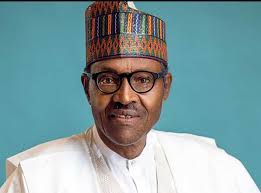
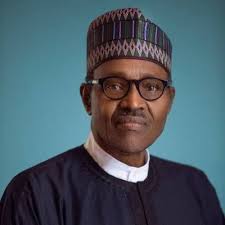
Former Nigerian President Muhammadu Buhari recently shared that he lives off rental income from one of his houses in Kaduna State, highlighting how he stayed honest while in office.
At a political meeting on January 25 in Katsina State, Buhari talked about how hard it is to run Nigeria and explained how he keeps himself financially stable.
Speaking in the Hausa language, he told everyone that he owns just three houses: one in his hometown of Daura, and two in Kaduna State.
“After my eight years as a civil president, I have only three houses; one in Daura and two in Kaduna. I have given one out for renting where I get money for feeding,” Buhari explained.
He believes many Nigerians don’t understand how complicated it is to lead such a diverse country.
In his words: “Nigeria is a difficult country to govern, but most Nigerians are unaware. You will not understand the complexities of leadership and the country itself until you find yourself in the administrative position of the country.
”Since leaving office, Buhari says he feels much better. “I look much better and healthier now than when I was the president of the country.
Anybody that sees me now acknowledges that I look better than before,” he said, sounding relieved.
Throughout the meeting, which was held to prepare for upcoming local elections, Buhari stressed that no one could accuse him of taking money illegally while he was president, and he takes pride in having served without corruption during his time in office.


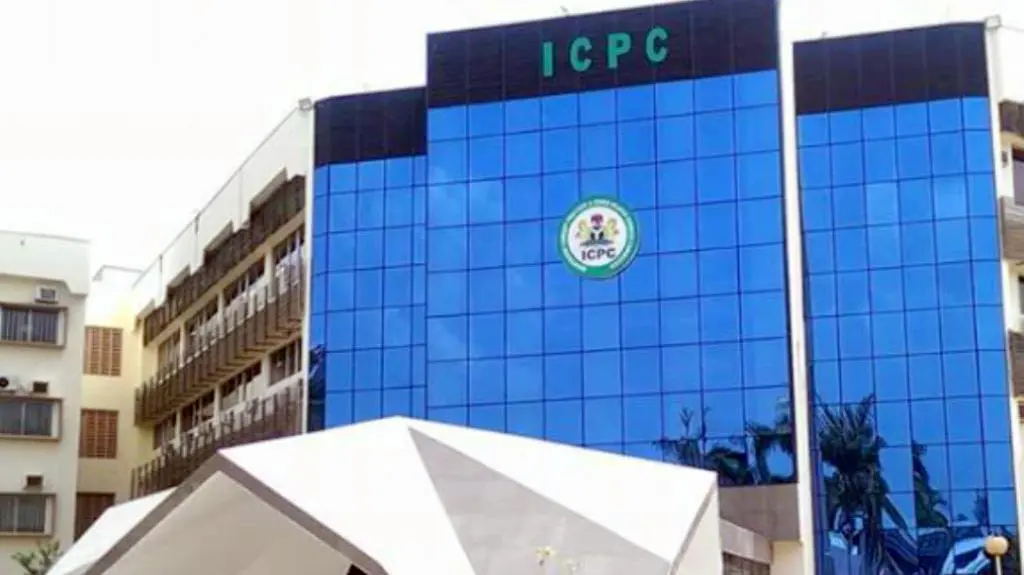
The Independent Corrupt Practices and Other Related Offences Commission (ICPC) has confirmed that Adeniyi Adeyemi Mathew was never appointed by the Federal Government and that the so-called Presidential Foreign Investment Promotion Council (PFIPC) was a fictitious entity.
Speaking at a press conference in Abuja on Saturday, ICPC Chairman Dr. Musa Adamu Aliyu, SAN, disclosed the findings of the agency’s 30-day probe ordered by President Bola Tinubu on 7 July 2026.
“Recall the President on 7th July, 2026 gave ICPC 30 days to investigate into the fake Presidential Foreign Investment Promotion Council and today is exactly 30 days. I have just submitted the interim report and briefed Mr. President accordingly,” Aliyu said.
He stated that the President, in the spirit of transparency and accountability, directed him to address the media for the benefit of Nigerians.
According to the interim report:
- Adeniyi Adeyemi Mathew was never appointed by the Federal Government or any authority of government.
- The PFIPC was never established by any law, executive order or other valid instrument of government.
- The appointment letter presented by Adeyemi was completely forged, along with similar documents used to sustain the illegal activities of the fake agency.
- The PFIPC cannibalised the former Presidential Economic Advisory Council (PEAC) and illegally appropriated offices and instruments of operation.
- False projection, false representation, widespread impersonation and a range of illegal activities were perpetrated by Adeyemi as the purported Director-General.
- Weaknesses in verification, inter-agency oversight and government processes were exploited by Adeyemi, with some level of negligence and connivance.
- No funds of the Federal Government were approved or disbursed to the fake PFIPC/PEAC.
Aliyu emphasised that no weaknesses were found in the systems of the State House or the Central Bank of Nigeria, describing their processes as above board. He specifically noted that the fake appointment letter did not originate from the Presidency.
The ICPC further discovered that Adeyemi created two additional fictitious government agencies — the FCT Investment Promotion Agency (FIFA) and the Foreign Investment Promotion Agency and Public Private Partnership (FIFA-PPP). To facilitate their creation, he forged legislative instruments styled as Enabling Acts, which were used to support the opening of bank accounts.
Among the recommendations in the interim report are that Adeyemi should be fully prosecuted, administrative sanctions should be imposed on public officers whose acts of omission and negligence facilitated the illegal operations, and institutional reforms should be implemented.
Aliyu disclosed that investigations are ongoing into all activities and bank accounts linked to the PFIPC, Adeyemi and his collaborators.
News
PFIPC: Adeyemi should be prosecuted – ICPC chairman
President Tinubu had on July 7, mandated the ICPC to investigate the matter and submit its report within 30 days.

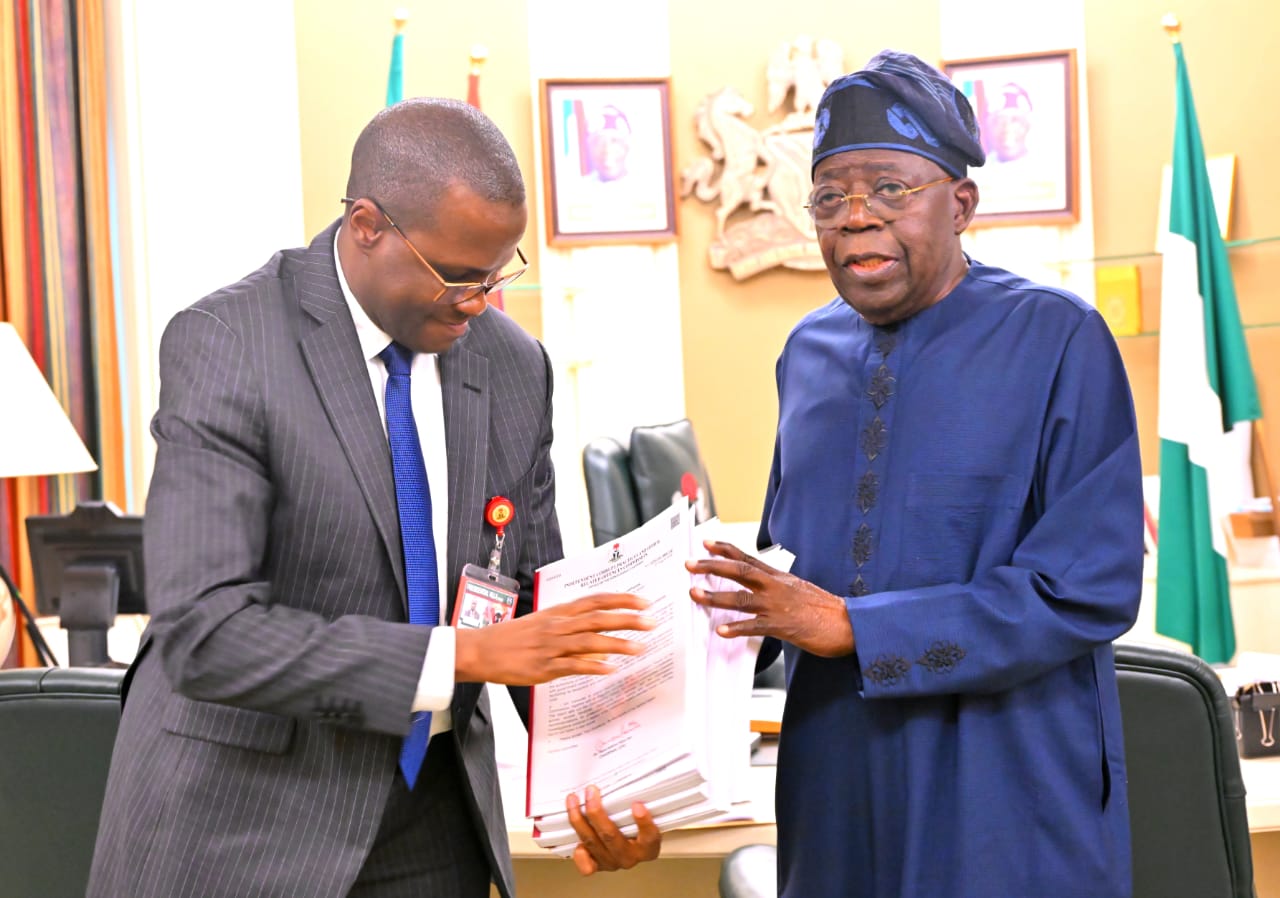
• State House Photo:The Chairman of the ICPC, Musa Adamu Aliyu, submit an interim report of its investigation on PFIPC, to President Bola Tinubu on Thursday, August 6,2026
The Independent Corrupt Practices and Other Related Offences Commission (ICPC) has urged the Federal Government to prosecute the Director -General of the fake Presidential Foreign Intervention Promotion Council (PFIPC), Prince Adeniyi Adeyemi Matthew.
The Chairman of the ICPC, Musa Adamu Aliyu, made the call on Thursday when he submitted an interim report of its investigation into the controversy surrounding the existence of the Presidential Foreign Intervention Promotion Council (PFIPC) .
As part of the recommendations, the ICPC boss said Mr Adeyemi should be prosecuted, while administrative sanctions should be imposed on public officers “whose acts of omissions, negligence, facilitated the illegal operation of the council because our investigation found that some public officers failed to do due diligence.”
President Tinubu had on July 7, mandated the ICPC to investigate the matter and submit its report within 30 days.
Submitting the report, the ICPC chairman said that the Presidential Foreign Intervention Promotion Council “was never established by any law or executive order or other instrument of government, and the appointment letter presented by Adeyemi Matthew was completely forged alongside similar documents used to perpetuate the illegal activities of the fake agency.”
“What we discovered was that the office used by the fake agency was broken into. The lock was broken, and he had access to the office. That was how he was able to get inside that office, and also the false widespread impersonation and wide range of illegal activities were perpetrated by the fake DG or the fake agency, Adeyemi.”
He emphasised that public officers should also be sanctioned, because “They failed to adhere with the standard procedures that are supposed to be complied with in their ministries and departments, and that gave Adeyemi Matthew the opportunity to conduct this illegal act.
“Then institutional reform has also been recommended that there is need for institutional reform so that the internal control of the MDAs can be strengthened to block this kind of illegal activity.”
News
PSC hands over 50,000 newly recruited constables to police for training
Receiving the recruits on behalf of the Inspector-General of Police, DIG Isyaku Mohammed, who oversees the Force Training and Development Department, commended the commission for conducting what he described as a transparent recruitment exercise.
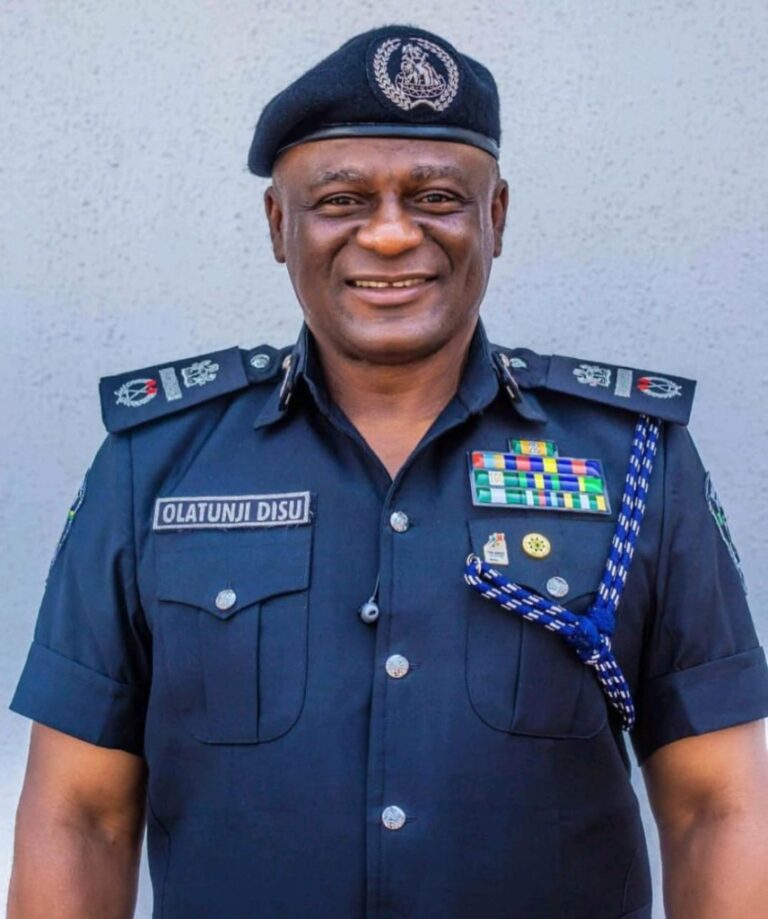
• IGP Tunji Disu
The Police Service Commission on Thursday formally handed over 50,000 newly recruited police constables to the Nigeria Police Force for training.
A statement issued on Thursday by the commission’s spokesperson, Torty Kalu, said the handover was presided over by retired Justice Paul Galumje, Commissioner I.
The statement said the recruitment exercise was conducted in line with the directive of President Bola Tinubu and relevant statutory provisions.
Galumje thanked the President for his support of the recruitment process and formally presented the successful candidates to the Nigeria Police Force for training at designated police colleges and other approved institutions.
He also handed over the detailed list of successful candidates, contained in a flash drive, to the police authorities.
Receiving the recruits on behalf of the Inspector-General of Police, DIG Isyaku Mohammed, who oversees the Force Training and Development Department, commended the commission for conducting what he described as a transparent recruitment exercise.


BREAKING: Lionel Messi Loses Father Jorge Messi at 68

ICPC: Adeyemi’s fake letter not from Presidency

BREAKING: DSS Arrests 3 More Fleeing Suspects Linked to Kidnap of Nasarawa Varsity Professor

Tech Expert, Zuckerberg trains with UFC champions, Adesanya, Alexander

Organ Trafficking: Ekweremadu bags 10 years in UK prison

SAINT OBI: Between his marriage and his death
-
 Politics2 days ago
Atiku Condemns Freezing Osun Govt’s Account On The Eve Of Election
-

 Business2 days ago
Naira Exchange Rates Thursday, August 5
-

 Business2 days ago
NDIC begins paying depositors of 46 closed microfinance banks
-
 News2 days ago
Ex-finance minister Kemi Adeosun loses husband
-
 News2 days ago
Tremor Rocks Abuja, no casualties
-
 News2 days ago
BREAKING: Five Abducted Ogun Polytechnic Students Regain Freedom
-

 Politics2 days ago
OSUN ELECTION: Davido Calls for Peaceful, Violence-Free Elections
-
 Business2 days ago
NAICOM Revokes Nigeria Reinsurance’s Licence, Freezes Operations Over Capital Shortfall