Health
Here’s What To Eat To Keep Your Bones Strong
Oily fish is also rich in vitamin D, which helps the body to absorb calcium. A deficiency in this nutrient is associated with fatigue, reduced muscle function and higher fall risk.


Credit: BBC/ Getty images
Milk cheese and yoghurtCalcium, vitamin D and protein are the primary drivers of bone health and nutrients like vitamin K, magnesium, zinc and phosphorus are all important for maintaining healthy bones and muscles.
It’s common knowledge that foods rich in dairy are indeed rich in calcium – one 200ml (6.8 fl oz) glass of milk provides about 260mg.
In a recent trial, researchers looked at the effects of increased dairy and protein consumption in 7,195 older adults living in care homes and found that over two years, those in the higher-dairy group had an 11% lower risk of falls and a 46% lower risk of hip fractures.
Because the intervention increased both calcium and protein, the researchers suggest it could be the combination of the two that provided the protective effect.
As for how much to consume, recommendations vary between countries.
In the UK adults are recommended to consume about 700mg of calcium per day. If you’re at risk of osteoporosis, the recommendation is 1,000mg per day. Postmenopausal women meanwhile should aim for 1,200mg.
In the US the recommendation is for adults to consume between 1,000-1,200mg of calcium each day, depending on your age and gender.
Soy
There are plenty of non-dairy food sources that help you get calcium into your diet, says Ward. One of these are soy foods, such as tofu and edamame beans – 100g (3.5oz) of tofu contains 200mg of calcium.
There is emerging evidence that soy foods could reduce the risk of fractures.Soy contains a type of naturally occurring plant compound that resembles oestrogen, called isoflavone. Studies have also found that postmenopausal women with a high intake of soy supplements have better bone density.
Chia seeds
Chia seeds are an excellent source of calcium, magnesium and phosphorus, and we only need a small amount to get numerous nutrients.
One tablespoon contains 95mg of calcium.They are also rich in omega-3 fats, which help reduce inflammation. This is particularly important, because chronic inflammation can cause the body to break down old bone tissue faster than it can rebuild it.
Over time, this imbalance can increase the risk of osteoporosis. In animal research, rats fed chia seeds for over a year had better bone mineral content than those on a standard diet. While the findings are promising, more research is needed to understand if the same effect would occur in people.
Dried fruit like prunes and figs
You may not immediately think of dried fruit when it comes to bone health, but foods such as figs and apricots are rich in calcium – two dried figs contain about 100mg of calcium. Fresh fruit can also be a source, with one orange containing about 50mg.
Figs and apricots also contain magnesium, which helps support bone formation and mineral balance. Additionally, many fruits are rich in polyphenols, which are natural plant compounds with antioxidant and anti-inflammatory properties, which may help to slow bone breakdown.
Canned fish
One small tin of sardines can provide as much as 30% of the calcium you need per day, (a 60g tin contains about 240mg of calcium).
Canned salmon is also high in calcium, as well as being rich in protein, which plays a vital role in maintaining healthy bones, preserving muscle mass and supporting the body’s repair processes.
Bone and muscle should really be thought of as a single system,” says Dawson-Hughes.
“If you can preserve muscle strength, you will lower risk of falls and you will dramatically lower your fracture risk.”
Oily fish is also rich in vitamin D, which helps the body to absorb calcium. A deficiency in this nutrient is associated with fatigue, reduced muscle function and higher fall risk.
Source: BBC

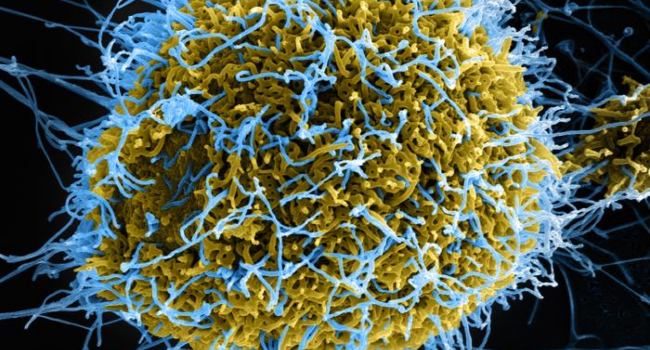
The Federal Government has confirmed Nigeria’s first case of Ebola virus disease in the current regional outbreak, authorities announced Tuesday.
A woman who recently arrived in the country on an international flight from Uganda tested positive after being treated for several days at a private hospital in the Federal Capital Territory (FCT), Abuja. Laboratory confirmation was received on October 20.
The patient is now in isolation and receiving medical care. Health officials have identified 44 close contacts so far and begun contact tracing. These include healthcare workers, other patients, caregivers, and travel contacts.
Coordinating Minister of Health and Social Welfare Prof. Muhammad Ali Pate said the Federal Ministry of Health, the Nigeria Centre for Disease Control and Prevention (NCDC), and FCT health authorities are working together to contain the infection and prevent further spread. Surveillance has been intensified, and the hospital where the patient was treated is receiving support to strengthen infection prevention and control measures.
Pate urged healthcare facilities nationwide to maintain a high index of suspicion, promptly isolate suspected cases, and report them immediately. He also called on the public to cooperate with contact-tracing teams, avoid spreading unverified information, and refrain from stigmatising those who may have been exposed.
Nigeria successfully contained an Ebola outbreak in 2014. Officials say the country has the experience and public health systems needed to respond to this case. The confirmation comes amid a wider regional outbreak linked to cases in the Democratic Republic of the Congo and elsewhere.
Health
Millions of bedbugs crawl out of mattresses and walls in huge outbreak
Bedbugs can enter homes on clothes, luggage, or second hand furniture – and “hide” in mattresses or walls, according to the NHS.

Millions of bedbugs were crawling out of mattresses in what a pest controller said was the worst outbreak he had seen in 38 years.
They were even in the walls and under the wallpaper, with the mattresses and bed frames needing to be incinerated.
Cardiff pest controller Gareth Davies had to wear full protection as his team tackled the problem in the Canton area of the city, using a specialist vacuum cleaner to collect millions of the bugs.
It came after they had tackled a large cockroach outbreak last month in a scene he likened to a horror movie.
“This house was just horrific,” he told BBC Radio Wales Breakfast.
“Hundreds of thousands of them when you lifted the mattresses up.
“They were coming out of the wallpaper, it was horrendous.”
Bedbugs can enter homes on clothes, luggage, or second hand furniture – and “hide” in mattresses or walls, according to the NHS.
Credit: BBC
The Nigeria Centre for Disease Control and Prevention (NCDC) has confirmed that Lassa fever has claimed 259 lives and infected 1,086 people across 24 states and 118 local government areas so far in 2026.
In its latest Lassa Fever Situation Report for epidemiological week 36 (August 31 to September 6), the agency said the figures represent a case fatality rate of 23.9 percent — significantly higher than the 18.6 percent recorded during the same period in 2025.
Twelve new confirmed cases were recorded in week 36, a decline from the 18 cases reported the previous week. The fresh infections were detected in Ondo, Edo and Kogi states.
Five states continue to bear the heaviest burden, accounting for 87 percent of all confirmed cases this year: Bauchi, Ondo, Taraba, Benue and Edo. People aged 21 to 30 remain the most affected age group.
The NCDC noted that no new infections among healthcare workers were recorded during the latest reporting week. The agency continues to urge the public to maintain hygiene, avoid contact with rodents and their droppings, and seek early medical care if symptoms appear.


BREAKING: Nigeria Confirms First Ebola Case

Mbappé wins Onze d’Or award for 2025/26 season

Ronaldo Gets 30-Day Suspension For Portugal Camp Walkout

BREAKING: Lagos Govt Declares Today, Thursday Work-Free to Mark 2026 Ìṣẹ̀ṣe Day

Tech Expert, Zuckerberg trains with UFC champions, Adesanya, Alexander