
International
UK begins recruitment, targets 300,000 Doctors, Nurses


The National Health Service in England will get more than 300,000 staff under a new plan announced by the government on Friday to deal with a chronic shortage of doctors and nurses.
The publicly-funded NHS, which marks its 75th birthday on Wednesday, is facing an estimated workforce shortfall of 360,000 by 2037 due to an ageing population, a lack of domestically trained health workers and difficulties retaining existing staff.
The government’s long-term workforce plan would include reducing the time doctors spend in medical school and training more homegrown staff.
Prime Minister Rishi Sunak said: “On the 75th anniversary of our health service, this government is making the largest single expansion in NHS education and training in its history.
“In the coming years we will train twice the number of doctors and an extra 24,000 more nurses a year, helping to cut waiting lists and improve patient care.
“We will do more to retain our brilliant NHS staff and reform the way the health system works to ensure it is fit for the future,” he added.
NHS England currently has 112,000 vacancies as it struggles to fill the large number of workers leaving the service.
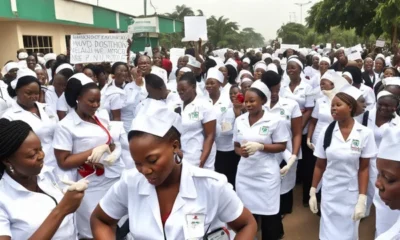
The NHS has seen unprecedented strikes over the last year, with staff complaining of being underpaid and overworked as they struggle to clear the backlog created during coronavirus lockdowns.
The government says the plan could mean an extra 60,000 doctors, 170,000 more nurses and 71,000 more health professionals in the NHS by 2037.
“The publication of our first-ever NHS long-term workforce plan now gives us a once-in-a-generation opportunity to put staffing on sustainable footing for the years to come,” said NHS England chief executive Amanda Pritchard.
“As we look to adapt to new and rising demand for health services globally, this long-term blueprint is the first step in a major and much-needed expansion of our workforce to ensure we have the staff we need to deliver for patients.”
Health is a devolved matter, with the governments in Scotland, Wales and Northern Ireland setting policy there. The UK government oversees health in England.
AFP









International
Brazil’s Lula Wins Fourth Term In Presidential Runoff
Flávio Bolsonaro rejected the runoff result, describing it as “inexplicable” and calling for the election to be annulled.


Brazil’s left-wing President Luiz Inácio Lula da Silva has won a fourth term in office after defeating right-wing challenger Flávio Bolsonaro in a closely fought presidential runoff.
The 80-year-old secured just under 52 per cent of the vote, overturning Bolsonaro’s first-round lead in a surprise victory that runs against a wider shift towards right-wing leadership across Latin America.
Addressing cheering supporters in São Paulo, Lula thanked voters for what he described as their defence of Brazilian democracy.
The victory follows a bitter election campaign between the veteran left-wing leader and Bolsonaro, whose father, former President Jair Bolsonaro, is serving a prison sentence under house arrest for plotting a coup after losing the previous presidential election.
Flávio Bolsonaro rejected the runoff result, describing it as “inexplicable” and calling for the election to be annulled.

Four Philippine Air Force pilots died Friday after two SF-260 trainer aircraft collided mid-air during a training flight and crashed at Fernando Air Base in Lipa City, Batangas, south of Manila, the air force confirmed Saturday.
The accident occurred at about 3:51 p.m. local time on October 23, 2026. Both single-propeller planes went down within the base perimeter. No other casualties were reported on the ground.
Philippine Air Force spokesman Colonel Alvin Capinguian (also referred to as Alvin Jay Capinguian) said the aircraft were involved in a training flight. Officials with knowledge of the incident, speaking anonymously, and local reports confirmed the planes collided while flying at low altitude. Some accounts noted they were part of a larger formation or flyby rehearsal, with other aircraft landing safely.
The air force described it as an “aviation accident” and said an investigation is underway to determine the cause. As a precaution, the entire fleet of SF-260 aircraft has been temporarily grounded. The air force is coordinating assistance with the families of the deceased and asked the public to respect their privacy. One of the pilots was later identified in some reports as 1st Lt. Angeleo Adrian Peñaflor.
The SF-260 is a light Italian-designed trainer used by the Philippine Air Force. The incident is the latest fatal crash involving the type; two pilots were killed in a similar SF-260 training accident in Benguet province in May.
International
“Mother of all bombs,” Trump Plans To Hit Iran
The 21,600-pound airburst weapon is designed to affect surface targets over a wide area and has so far not been deployed by the U.S. in previous strikes on targets inside Iran. It was used in Afghanistan in 2017 during the previous Trump administration.
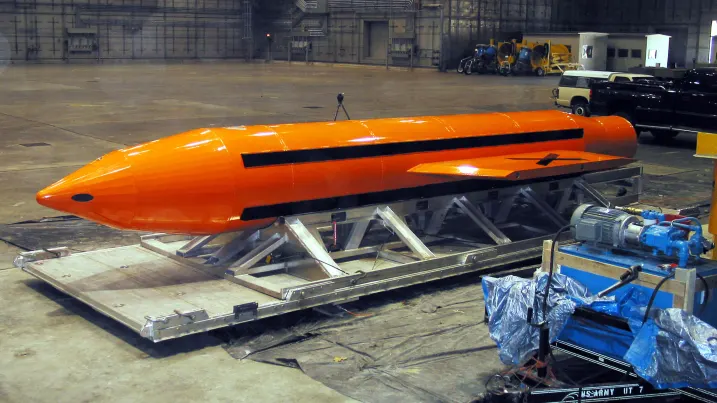
The U.S. military is considering use of the GBU-43/B Massive Ordnance Air Blast (MOAB) bomb if it resumes strikes inside Iran, CNN reported Thursday, citing U.S. officials.
The 21,600-pound airburst weapon is designed to affect surface targets over a wide area and has so far not been deployed by the U.S. in previous strikes on targets inside Iran. It was used in Afghanistan in 2017 during the previous Trump administration.
Trump said Oct. 8 that he would not resume U.S. strikes on Iran before the Nov. 3 midterm elections, while attacks on shipping near the Strait of Hormuz and deadly Houthi strikes in Saudi Arabia have raised regional tensions.
Iranian Parliament Speaker Mohammad Bagher Ghalibaf said Tehran will combine military capabilities and negotiations to press its demands.


Nigeria’s First Imported Ebola Patient Moved to Switzerland

Dangote Refinery’s IPO Ends Tomorrow

Ebola: Nigeria Sends Back Swiss Woman Via Medivac Plane

BREAKING: Lagos Govt Declares Today, Thursday Work-Free to Mark 2026 Ìṣẹ̀ṣe Day

Tech Expert, Zuckerberg trains with UFC champions, Adesanya, Alexander

Organ Trafficking: Ekweremadu bags 10 years in UK prison
-

 Politics3 days ago
2027 presidential election: Tinubu’s Northern test begins today
-
 Health3 days ago
Ebola patient in Abuja showing signs of recovery – FG
-

 News18 hours ago
BREAKING: Former Arise News Anchor, Constance Ikokwu Appointed NDC National Campaign Council Spokesperson
-
 Business17 hours ago
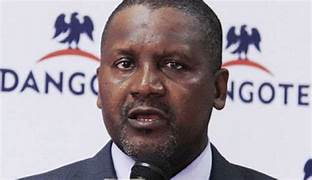
Dangote Visit London Stock Exchange Ahead of November Cement Listing
-

 Health1 day ago
EBOLA: Lagos Heightens Watch at Airports After Abuja Case
-

 Business18 hours ago
Naira To Dollar, Pound, Euro…Rate Monday, October 26
-

 Entertainment3 days ago
JUST IN: Another Nollywood Actor, Dies After Brief Illness
-

 International2 days ago
JUST IN: Four Pilots Die After Mid-Air Collision of Military Planes in Philippine