
Business
The Buy-and-Hold Strategy for Lagos Real Estate Investors by Dennis Isong
Population is increasing, businesses are expanding, and land is becoming more valuable. If done right, a buy-and-hold strategy can secure long-term wealth for any investor.


If you’re thinking of making serious money in Lagos real estate, you must understand one of the most reliable strategies: buy-and-hold.
This is when you buy a property, hold it for years, and allow its value to appreciate while earning rental income.
Lagos is a dynamic and ever-growing city.
Population is increasing, businesses are expanding, and land is becoming more valuable. If done right, a buy-and-hold strategy can secure long-term wealth for any investor.
Why Buy-and-Hold Works in Lagos Land and Property Appreciate Fast Lagos is a land of gold—figuratively.
With high demand and limited land space, properties in strategic locations appreciate fast.
If you bought land in Lekki Phase 1 twenty years ago, you could sell it today for more than 20 times the original price.
The earlier you buy, the better. Steady Rental Income Lagos is home to millions of people, and many prefer renting rather than buying.
A well-located property can generate steady rental income that grows over time.
The more people move into Lagos, the higher the rental demand.
Beating Inflation Nigeria’s economy has its ups and downs, but real estate always finds a way to stay ahead of inflation.
While the value of the naira fluctuates, properties continue to appreciate. This makes real estate a safe hedge against inflation.
Steps to Succeed in the Buy-and-Hold Strategy
1. Pick the Right Location Lagos has different property markets. Some areas grow faster than others.
Choose a location based on your investment goal.● For rapid appreciation: Look at developing areas like Ibeju-Lekki, Epe, or parts of Ikorodu.● For steady rental income: Invest in places with high demand for rentals, like Yaba, Surulere, Lekki, or Ikeja.● For luxury and long-term gains: Consider high-end areas like Ikoyi, Banana Island, or Victoria Island.
Do your research, visit the location, and study the growth trends before investing.
2. Buy from a Trusted Source Lagos real estate is lucrative, but it’s also filled with scams.
Many investors have fallen victim to land disputes or properties with unclear titles.
Ensure that the property has proper documentation—like the Certificate of Occupancy (C of O) or a Governor’s Consent.
Work with a reliable real estate professional who understands the Lagos market.
Don’t fall for “cheap deals” without verifying ownership.3. Decide Between Land or Built Property ● Buying land is great for long-term appreciation. You can hold it for years and sell later at a higher price.● Buying a house or apartment gives you immediate rental income while still appreciating in value.
If you have the patience to wait, land investment is powerful. If you want regular cash flow, go for rental properties.
4. Maximize Rental Income If your goal is passive income, make your property attractive to tenants. Consider:● Security: Lagos tenants prioritize safety.● Amenities: Good roads, water supply, and electricity boost rental value.● Short-let options: Platforms like Airbnb can give you higher returns, especially in areas like Lekki and Victoria Island.
If your property is well-maintained, you’ll attract quality tenants and increase your rental value over time.
5. Be Patient and Think Long-Term Real estate is not a quick-money scheme. The buy-and-hold strategy requires patience. Lagos properties appreciate, but it takes time.
Many investors regret selling too early when they see the prices skyrocketing years later.
Think of real estate like fine wine—it gets better with time. Potential Risks and How to Overcome Them Government Policies Policies like land use charges or demolitions can affect investments.
Stay updated with real estate laws in Lagos. Work with professionals to ensure your property is compliant.
Maintenance Costs
If you own rental property, you’ll need to maintain it. Set aside funds for repairs and upgrades to keep it attractive to tenants.
Bad Tenants
Some tenants may refuse to pay or damage your property.
Screen tenants properly before renting out your property, and have a solid lease agreement.
The buy-and-hold strategy is a proven way to build wealth in Lagos real estate. It allows you to generate rental income while your property appreciates in value.
With proper planning, the right location, and patience, your investment will reward you in the long run.
So, are you ready to secure your future with Lagos real estate? Start now—because five years from today, you’ll wish you had.
Dennis Isong and team.
+2348164741041+2348028667565
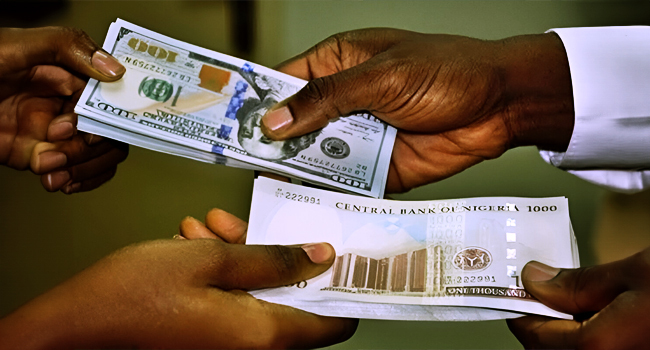
BLACK/ PARALLEL MARKET RATES
₦1370 DOLLAR (USD)
₦1800 POUND (GBP)
₦1510 EURO (EUR)
₦970 CANADIAN DOLLAR (CAD)
₦65 SOUTH AFRICAN RAND (ZAR)
₦350 UAE DIRHAM (AED)
₦190 CHINESE YUAN (CNY)
₦100 GHANAIAN CEDI (GHS)
₦2300 WEST AFRICAN CFA F.(XOF)
₦2200 CENTRAL AFRICAN CFA F.(XAF)
₦850 AUSTRALIAN DOLLAR AUSSIE (AUD)
CBN OFFICIAL RATES
DOLLAR (USD)₦1331.61
POUND (GBP)₦1764.26
EURO (EUR)₦1490.48
SWISS FRANC (CHF)₦1608.23
JAPANESE YEN (JPN)₦8.4
CFA FRANC (XOF)₦2.27
WEST AFRICAN UNIT OF ACCOUNT (WAUA)₦1802.33
CHINESE YUAN (CNY)₦199.01
SAUDI RIYAL (SAR)₦354.83
SOUTH AFRICAN RAND (ZAR)₦80.49
Business
WEF could appoint Lagarde as its next chair, sources say
The WEF’s Board of Trustees, which includes Lagarde herself, was due to meet on November 2 and could elect her as its next chair, said the people close to the organisation, who spoke on condition of anonymity due to the sensitivity of the matter.
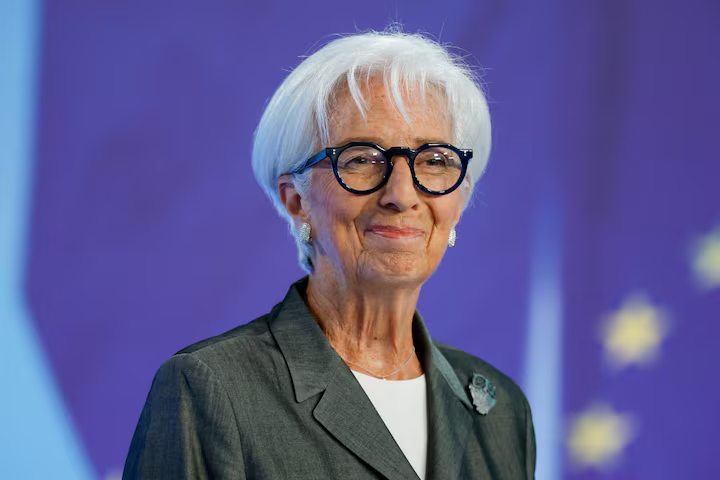
•European Central Bank President Christine Lagarde
The World Economic Forum could appoint Christine Lagarde as its next chair as soon as next month, four people close to the organisation told Reuters, meaning she would step down early as European Central Bank chief and trigger a wider reshuffle at the top of the ECB.Lagarde’s ECB term is scheduled to end in October 2027.
Leaving early would give European Union leaders a chance to pick a new ECB President before France’s spring presidential election, which opinion polls suggest the far-right could win, and could pave the way for a deal involving two other senior ECB roles.
The WEF’s Board of Trustees, which includes Lagarde herself, was due to meet on November 2 and could elect her as its next chair, said the people close to the organisation, who spoke on condition of anonymity due to the sensitivity of the matter.
No final decision has been taken yet, they said.
A spokesperson for the WEF said the forum could not confirm when the next full Board of Trustees meeting would take place, but that the aim was to hold one before the end of the year.
Business
Germany plans tax on sugary drinks
The tax is expected to generate additional revenue for the federal government of €690 million in 2027 and €925 million in 2028.

The German cabinet has approved draft legislation to tax sugary drinks in Europe’s biggest economy.
If passed by the German Bundestag, the tax will take effect on 1 July 2027.
The coalition aims to raise revenue for the federal budget while encouraging manufacturers to reduce sugar content and offer healthier products.
The levy is intended to ease pressure on the healthcare system, which faces costs of more than €2 billion every year linked to the high consumption of sugary drinks, which contributes to obesity, diabetes and tooth decay.
According to the federal government, Berlin is using the tax to implement “what associations from the fields of health, science, child protection, and consumer protection have long been demanding.”
The tax is expected to generate additional revenue for the federal government of €690 million in 2027 and €925 million in 2028.


JUST IN: Mob Sets BRT Bus Ablaze After Motorcyclist’s Death in Lagos

BREAKING: DSS Arrests Fugitive Maina Son, Hands Him to EFCC

BREAKING: 5 Arrested Over Imo NYSC Abduction

BREAKING: Lagos Govt Declares Today, Thursday Work-Free to Mark 2026 Ìṣẹ̀ṣe Day

Tech Expert, Zuckerberg trains with UFC champions, Adesanya, Alexander

Organ Trafficking: Ekweremadu bags 10 years in UK prison
-
 Business3 days ago
Naira Exchange Rates For Thursday, October 15
-
 Sports3 days ago
CAF Increases Annual Funding for Member Federations to $700,000
-

 News3 days ago
ASCON To Be Rebranded “National School Of Government”
-

 Business3 days ago
Germany plans tax on sugary drinks
-

 Business3 days ago
WEF could appoint Lagarde as its next chair, sources say
-

 International3 days ago
“Mother of all bombs,” Trump Plans To Hit Iran
-

 Business2 days ago
Naira Exchange Rates Friday, October 16
-
 Crime2 days ago
BREAKING: 5 Arrested Over Imo NYSC Abduction