
Business
South Korea to Produce Electric Vehicles in Nigeria
The project will be implemented in phases, beginning with EV assembly and expanding into full in-house production, with an estimated capacity of 300,000 vehicles.

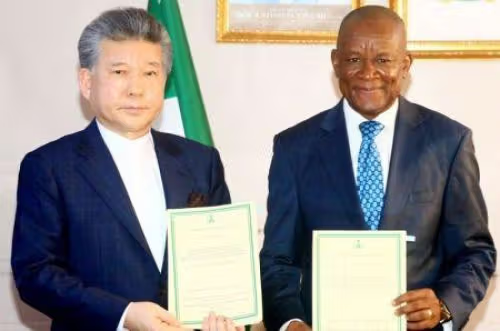
Photo: Minister of State for Industry, John Enoh, and AEDC Chairman,Yoon Suk-hun.
The Federal Government has signed an agreement with South Korea to establish an electric vehicle manufacturing plant in Nigeria.
In a document seen by Ohibaba.com, the Memorandum of Understanding (MoU) was signed by the Minister of State for Industry, John Enoh, and the Chairman of the Asia Economic Development Committee (AEDC),Yoon Suk-hun, for South Korea.
The initiative will accelerate technology transfer, investment promotion, human capital development, and research, design, and innovation.
The project will be implemented in phases, beginning with EV assembly and expanding into full in-house production, with an estimated capacity of 300,000 vehicles and the creation of approximately 10,000 jobs.
Nigeria’s automotive sector faces structural challenges, including limited local component production, high assembly costs, and heavy reliance on imports.
The country imports between 400,000 and 720,000 vehicles annually, with 74–90% being used cars.In 2023, imports reached 700,000 units, with passenger cars valued at $1.05 billion in 2024, making Nigeria one of the world’s largest markets for pre-owned vehicles.
To promote electric mobility, the federal government launched a 20 billion naira ($12 million) consumer credit program in December 2024.
The scheme supports the purchase of locally assembled electric vehicles, motorcycles, and tricycles, partnering with domestic manufacturers including Innoson, Nord, CIG (GAC), PAN, Mikano, Jets, NEV (Electric), and DAG to expand access and foster the growth of a homegrown EV industry
Business
Cybercriminals cloning DStv, other brands to steal bank accounts across Africa
According to cybersecurity company NordVPN, the campaign distributes Remote Access Trojans (RATs) and banking trojans, forms of malware that can give criminals control over infected devices and access to sensitive information.

Cybercriminals are impersonating popular companies and government agencies across Africa in a campaign designed to take over smartphones and bank accounts.
More than 100 fake websites linked to the malware campaign have been identified since August 2025.
Brands including DStv, Takealot and South African Airways, as well as the South African Revenue Service (SARS), are being used to make fraudulent messages and websites appear legitimate.
According to cybersecurity company NordVPN, the campaign distributes Remote Access Trojans (RATs) and banking trojans, forms of malware that can give criminals control over infected devices and access to sensitive information.
The attacks are particularly concerning in South Africa, where Android dominates the mobile operating system market.
NordVPN said the attacks typically begin with social engineering, where criminals send convincing messages through SMS, WhatsApp or social media.
The messages may contain urgent offers or requests involving job opportunities, tax refunds, identity renewals or pension verification.
Victims are then directed to fake websites designed to closely resemble the official websites of trusted organisations.
The sites encourage users to download an Android application. Once installed, the malicious software can operate quietly in the background, including after the smartphone is restarted.
Business
Cement price hits N16,000 per bag
The current cement prices mark a steep rise from late 2024, when a bag sold for around N7,500.
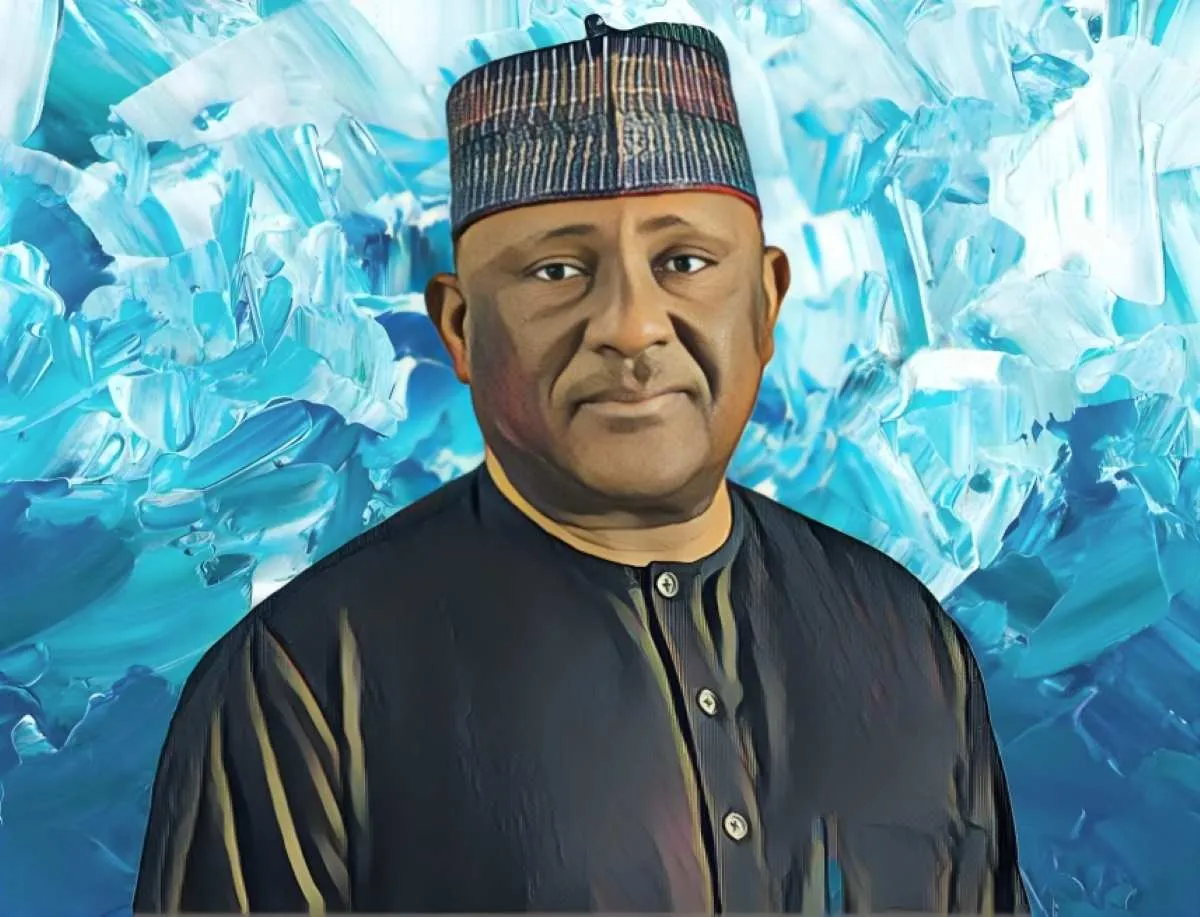
• Chairman of BUA cement, Abdul Samad Rabiu (ASR)
Cement dealers across Nigeria have announced fresh price increases, with a 50kg bag now selling for as much as N16,000 in some markets, up from N13,000 recorded by buyers just days earlier.
The current cement prices mark a steep rise from late 2024, when a bag sold for around N7,500.
By the third quarter of 2025, that had risen to about N9,000 before reaching the N12,000 to N16,000 range now seen across different locations.
Other building materials have followed a similar upward path. Blocks have climbed from around N600 to N1,100 each.
Sand has gone from N165,000 to N250,000 per 30 tonnes. Granite has risen from N530,000 to N780,000 per 30 tonnes.
Reinforcing steel now costs N1.15 million per tonne, up from N850,000.
BLACK MARKET RATES
US Dollar (USD) Buy ₦1,405 Sell ₦1,410
Great British Pound(GBP) Buy ₦1,890 Sell: ₦1,915
EURO (EUR) Buy ₦1,590 Sell ₦1,610
Canadian Dollar (CAD) Buy ₦1,020 Sell ₦1,080
South African Rand (ZAR) Buy ₦75 Sell ₦90Ghana CEDI (GHS) Buy ₦95 Sell ₦110
West African CFA Buy ₦2, 300 Sell ₦2, 400
CENTRAL AFRICAN CFA Buy ₦2,150 Sell 2,250
CBN Exchange Rates
US Dollar (USD) ₦1,374.63
Great British Pound (GBP) ₦1,838.70
EURO (EUR) ₦1,574.97
Swiss Franc (CHF) ₦1,687.70
Chinese Yuan (CNY) ₦200.42
Japanese Yen (Yen) ₦8.49
West African CFA (XOF) ₦2.37
West African Unit Account (WAUA) ₦1,848.41
Saudi Riyal (SAR) ₦358.91
South African Rand (ZAR) ₦83.35


Tinubu Names Yari, DG Presidential Campaign Council

APC Chair Dies After Collapse at Kogi Meeting

Tinubu chairs APC Presidential Campaign Council

Tech Expert, Zuckerberg trains with UFC champions, Adesanya, Alexander

Organ Trafficking: Ekweremadu bags 10 years in UK prison

SAINT OBI: Between his marriage and his death
-

 Business2 days ago
Cement price hits N16,000 per bag
-

 News3 days ago
Gov. Adeleke Prostrates Before Elder Brother After Re-Election Win
-
 Business2 days ago
Naira Exchange Rates Friday, August 21
-
 News2 days ago
FG Declares August 25 Eid ul Mawlid Public Holiday
-

 Politics2 days ago
2027: Atiku Promises Nigerian Millions of Subsidy Removal If Voted President
-
 News2 days ago
BREAKING: ICPC Uncovers Another Fake Agency Operating Inside SGF’s Office (Video)
-

 News3 days ago
Boat Mishap Claims Lives in Goronyo (Photos)
-

 Business2 days ago
Cybercriminals cloning DStv, other brands to steal bank accounts across Africa