
Business
Senate dispatches five MDAs to handle Ogijo lead poisoning crisis
The motion, jointly sponsored by Mukhail Adetokunbo Abiru (Lagos East) and Gbenga Daniel (Ogun East), was brought under Matters of Urgent Public Importance pursuant to Orders 41 and 51 of the Senate Standing Orders, 2023 (as amended).


The Senate has mandated the Federal Ministry of Health, the Federal Ministry of Environment; the Nigeria Centre for Disease Control (NCDC) including the NESREA and the Federal Ministry of Solid Minerals to quickly look into the lead poisoning crisis at Ogijo community in Ogun State and report back to the Chamber within six weeks.
The motion, jointly sponsored by Mukhail Adetokunbo Abiru (Lagos East) and Gbenga Daniel (Ogun East), was brought under Matters of Urgent Public Importance pursuant to Orders 41 and 51 of the Senate Standing Orders, 2023 (as amended).
During the plenary on Thursday , the lawmakers expressed grave concerns over the reported fast-spreading lead-poisoning crisis in Ogijo, describing it as a full-blown environmental and public-health emergency that threatened thousands of lives.
Lawmakers cited scientifically verified reports of extreme lead contamination linked to a cluster of used lead-acid battery recycling factories operating in the area for years.
According to the Senate, the crisis had left residents battling persistent headaches, abdominal pain, memory loss, seizures, and developmental delays in children, symptoms strongly associated with chronic lead exposure.
The Senate acknowledges and commends the proactive efforts of the Lagos and Ogun State Governments and their relevant ministries and agencies for conducting early inspections, raising community awareness and working with federal authorities to contain the exposure.
The chamber noted with concern that the Federal Government had already begun clampdowns, with the Minister of State for Labour and Employment, Nkeiruka Onyejeocha, shutting down seven battery-recycling factories and ordering a temporary halt to lead-ingot exportation pending safety investigations.
Senators said they were “alarmed that residents have for several years complained of persistent headaches, abdominal pains, loss of memory, seizures, cognitive decline, and developmental delays in children, symptoms strongly associated with chronic lead exposure.”
Despite years of community protests, the smelters allegedly continued operating openly, releasing toxic fumes and particulate dust into surrounding homes, markets and playgrounds.
Some environmental samples, senators noted, showed lead levels “up to 186 times the global maximum safety threshold.”
A major dimension of the scandal, lawmakers said, was that lead processed in Ogijo had already been traced into international supply chains, reaching global battery and automobile manufacturers who either did not address the findings or relied solely on assurances from Nigerian suppliers.
Following the extensive deliberations, the chamber mandated the Federal Ministry of Health and the Nigeria Centre for Disease Control (NCDC) to deploy emergency medical teams to Ogijo to provide free toxicology screenings, blood-lead management, chelation therapy, and ongoing treatment for affected children and adults.
Simultaneously, the Federal Ministry of Environment and NESREA were directed to carry out comprehensive environmental remediation, mapping soil, groundwater, air, and household dust contamination.
The Senate also called on the Federal Ministry of Solid Minerals and relevant regulatory agencies to enforce strict compliance standards for battery-recycling and lead-processing operations nationwide.
Additionally, it recommended establishing a National Lead Poisoning Response and Remediation Task Force within NEMA and directed the Committee on Legislative Compliance to monitor progress and report back within six weeks.
Business
President Tinubu Approves N3.3Trn Payments Plan To Restore Reliable Electricity
Implementation has begun, with 15 power plants signing settlement agreements totalling ₦2.3 trillion.
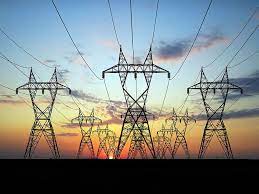
President Bola Tinubu has approved the payment plan to finally settle the outstanding debts under the Presidential Power Sector Financial Reforms Programme.
The debt repayment plan followed the final review of the legacy debts that have beset the power sector for more than a decade.
State House press release signed by Bayo Onanuga Special Adviser to the President(Information and Strategy), said that the long-standing debts accumulated between February 2015 and March 2025.
Following verification, ₦3.3 trillion has been agreed as a full and final settlement, ensuring a fair and transparent resolution.
Implementation has begun, with 15 power plants signing settlement agreements totalling ₦2.3 trillion.
The Federal Government has already raised ₦501 billion to fund these payments.
Out of the amount, N223 billion has been disbursed, with further payments underway.
What this means for Nigerians: With payments reaching the power value chain, generation will be more stable. With power plants supported, electricity reliability will improve.
And as the sector stabilises, more investment, more jobs, and better service will follow. “This programme is not just about settling legacy debts.
It is about restoring confidence across the power sector — ensuring gas suppliers are paid, power plants can keep running, and the system begins to work more reliably”, explained Olu Arowolo-Verheijen, Special Adviser on Energy to President Tinubu.
“It is part of a broader set of reforms already underway — including better metering and service-based tariffs that link what you pay to the quality of electricity you receive.
“The government is also prioritising power supply to businesses, industries, and small enterprises — because reliable electricity is critical to creating jobs, supporting livelihoods, and growing the economy.
“The goal is simple: more reliable power for homes, stronger support for businesses, and a system that works better for all Nigerians”, she added.
President Tinubu has commended all stakeholders who supported efforts to resolve the legacy issues in the power sector.
He has also confirmed that the next phase (Series II) will begin this quarter.
Business
33 Nigerian Banks Beat CBN’s Recapialisation with ₦4.65trn Combined Capital Base
The recapitalisation programme has strengthened the capital base of Nigerian banks, reinforcing the resilience of the financial system and ensuring it is wellpositioned to support economic growth and withstand domestic and external shocks.”
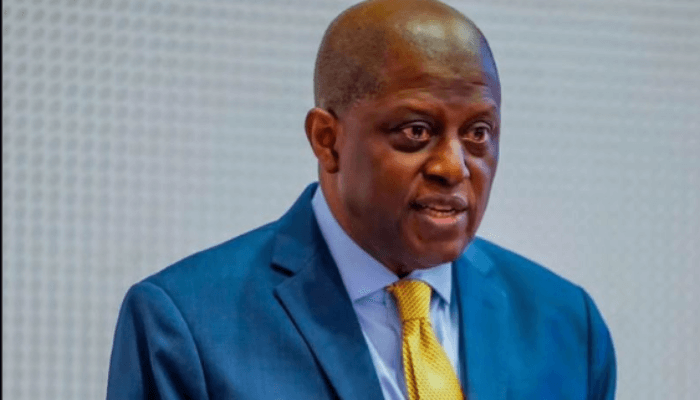
•Governor of CBN, Olayemi Cardoso
The Central Bank of Nigeria (CBN) has wrapped up the banking sector recapitalisation programme it introduced two years ago (March 2024-March 31, 2026) with 33 banks successfully met the requirements deadline.
The banks raised a total of ₦4.65 trillion in new capital, according to a statement signed by Olubukola A. Akinwunmi, the Director, Banking Supervision and Hakama Sidi Ali (Mrs.), the Ag. Director, Corporate Communications.
It said that the recapialisation exercises recorded strong participation from both domestic and international investors, with 72.55% of capital sourced locally and 27.45% from international markets, reflecting sustained confidence in the Nigerian banking sector.
The statement noted that the Governor of CBN, Olayemi Cardoso said “the recapitalisation programme has strengthened the capital base of Nigerian banks, reinforcing the resilience of the financial system and ensuring it is wellpositioned to support economic growth and withstand domestic and external shocks.”
“The CBN confirms that 33 banks have met the revised minimum capital requirements established under the programme.
A limited number of institutions remain subject to ongoing regulatory and judicial processes, which are being addressed through established supervisory and legal frameworks.
“All banks remain fully operational, ensuring continued access to banking services for customers.

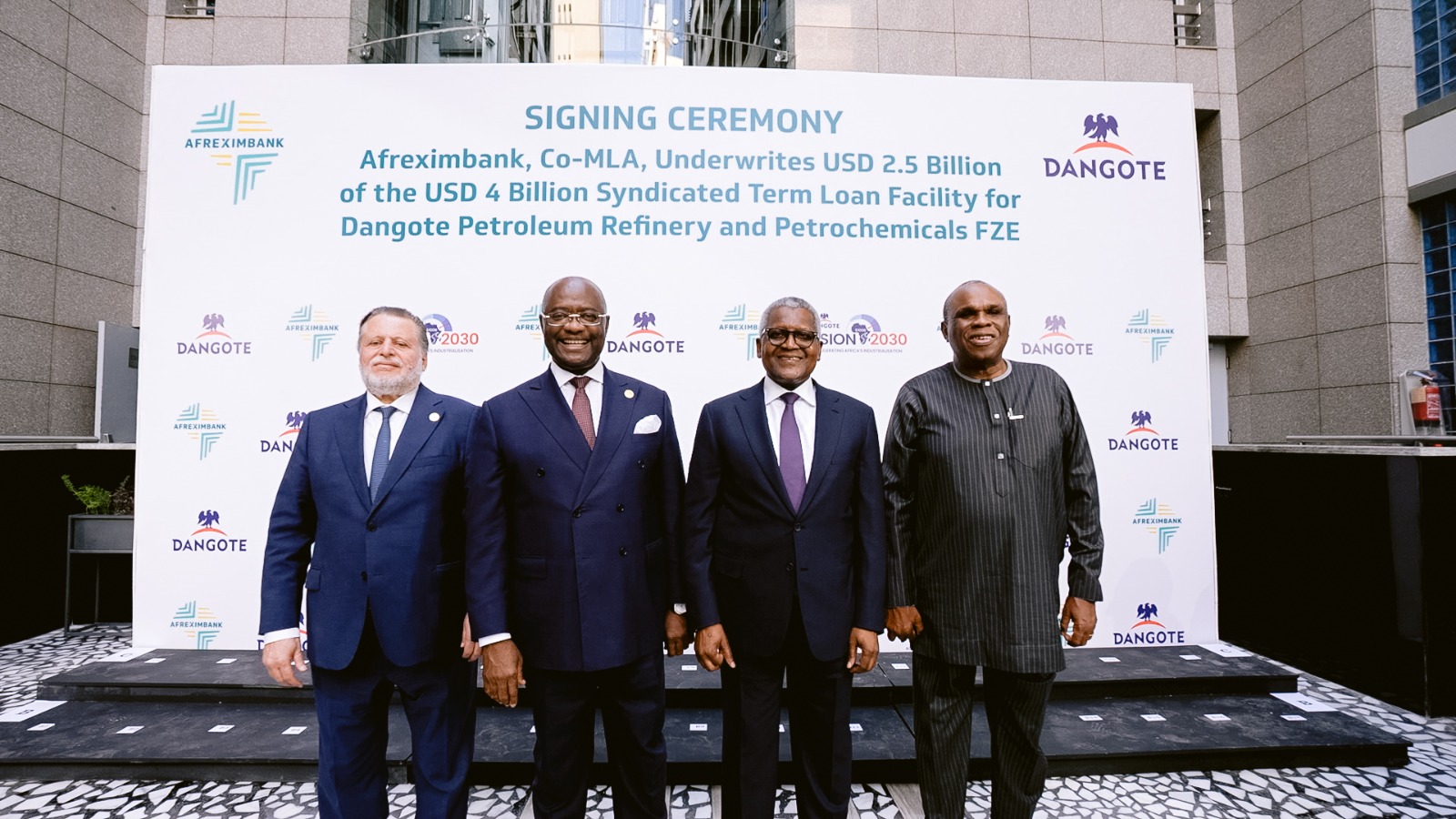
African Export-Import Bank has underwritten $2.5 billion in a $4 billion senior syndicated term loan for Dangote Petroleum Refinery and Petrochemicals, in a move aimed at strengthening the refinery’s financial position and supporting its long-term growth and expansion strategy.
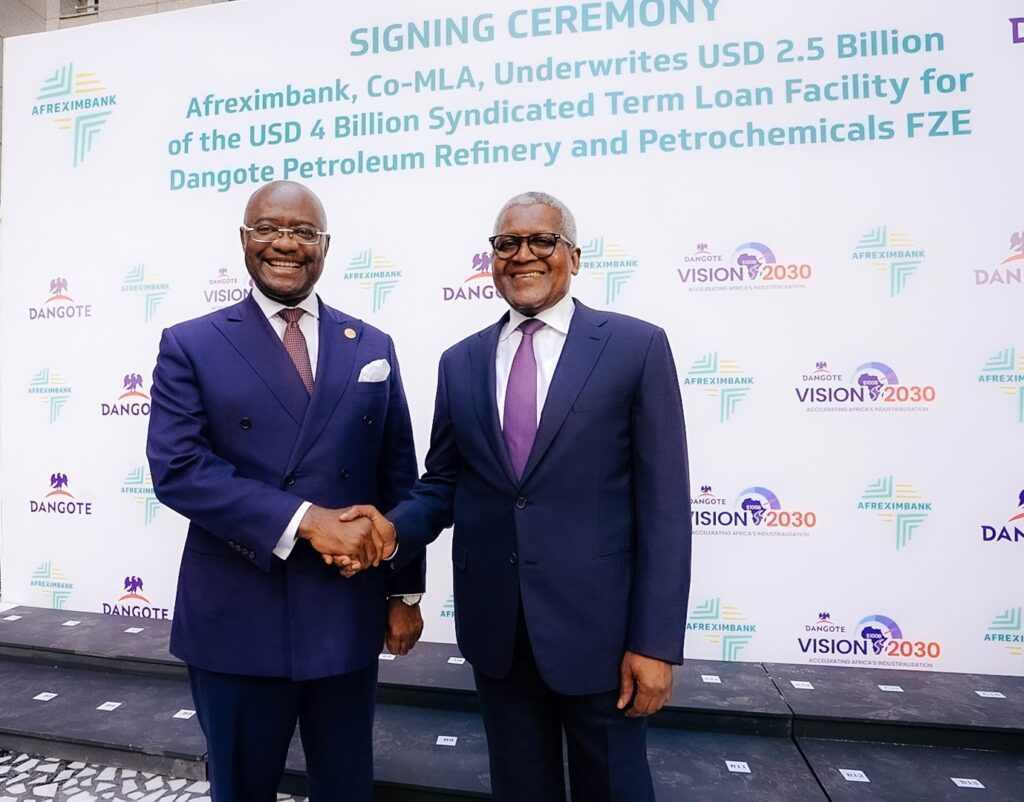
The five-year facility, arranged alongside Access Bank as co-Mandated Lead Arrangers, is designed to consolidate existing debt, optimise the refinery’s capital structure and align its financing with current operational realities.
The transaction marks a significant milestone for the Dangote Refinery, Africa’s largest refining and petrochemical complex with a capacity of 650,000 barrels per day.
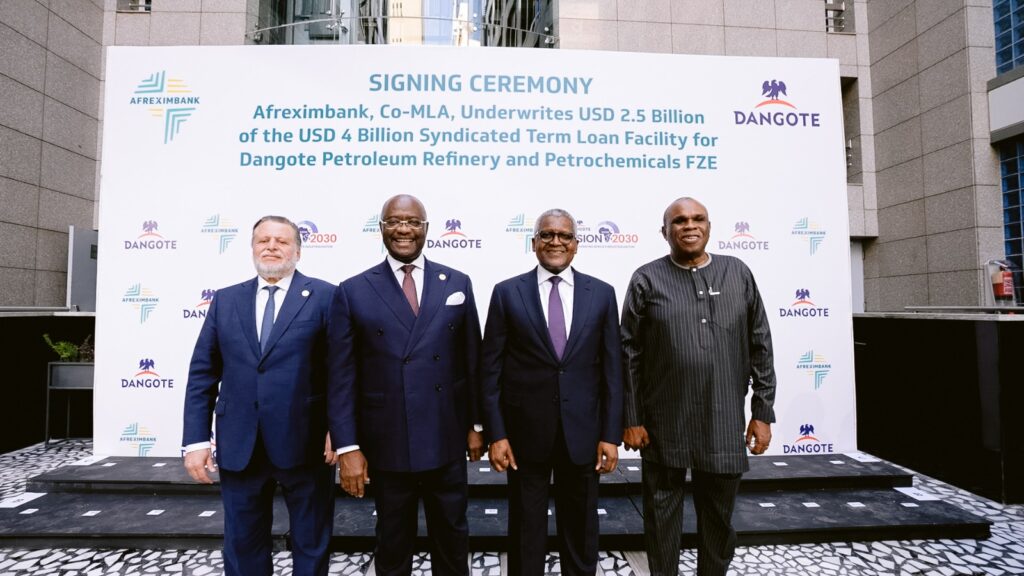
Afreximbank’s $2.5 billion participation represents the largest share of the syndicate, underscoring its strategic role in mobilising capital for industrial projects across the continent.
The bank said the financing aligns with its mandate to promote industrialisation, reduce reliance on imported petroleum products and deepen intra-African trade.
Since refining operations commenced in February 2024, Afreximbank has played a key role in supporting the project, including providing a $1 billion working capital facility and acting as financial adviser on the Naira-for-Crude initiative, which facilitates crude procurement and product sales in local currency.
Speaking during a strategy session in Cairo, Egypt, President and Chairman of the Board of Directors of Afreximbank, George Elombi, said the bank’s continued backing reflects confidence in indigenous African enterprises.
“We take immense pride in being the single largest provider of financing to the Dangote Group. We do so primarily because Dangote is African,” he said.
“When we invest in ourselves, we do more than create jobs and wealth or expand government revenues; we build a secure and resilient future for our continent”
Elombi disclosed that Afreximbank has committed about $15 billion to Dangote Group since 2015, highlighting the scale of its long-term partnership with the conglomerate.
President and Chief Executive of Dangote Industries Limited, Aliko Dangote, described the financing as a critical step in positioning the refinery for its next phase of expansion.
“This financing marks an important step in strengthening the financial foundation of Dangote Petroleum Refinery & Petrochemicals and positions the business for the next phase of its growth,” he said.
“We appreciate Afreximbank’s continued support and confidence in our vision to build world-class industrial capacity that serves Nigeria, Africa and global markets.”
The syndicated loan attracted strong participation from a mix of African and international financial institutions, reflecting sustained investor confidence in the refinery as a transformative industrial asset in advancing Africa’s energy security, reducing import dependence and supporting the continent’s broader industrialisation agenda.


Kebbi Assembly Speaker Muhammad Usman Zuru dies in Egypt

Benue Govt Confirms Total Evacuation of Benue Students From University of Jos

Trump warns Entire Iran could be ‘taken out’ Tuesday night

Tech Expert, Zuckerberg trains with UFC champions, Adesanya, Alexander

Organ Trafficking: Ekweremadu bags 10 years in UK prison

SAINT OBI: Between his marriage and his death
-
 Crime3 days ago
Three Killed, One Injured in Fresh Jos Attack (Video)
-
 News3 days ago
Nigerian Army Debunks Claims of Attack on Bishop Matthew Kukah’s Residence and Sokoto Catholic Cathedral
-
 News2 days ago
Kaduna Mando Garage Explosion Not Bomb- Police
-

 News2 days ago
Atiku hires US lobbying firm for $1.2m to boost image – Report
-
 Politics1 day ago
Obidients mobilise for #OccupyINEC protest
-

 News3 days ago
JUST IN: Lagos Fire Service Successfully Contains Two Overnight Fire Incidents iin Lagos
-
 Business1 day ago
President Tinubu Approves N3.3Trn Payments Plan To Restore Reliable Electricity
-

 Health2 days ago
Resident Doctors Set to Begin Nationwide Indefinite Strike on April 7 Over Unmet Demands