
News
Oyetola Ends Maritime Employers and Union’s conflicts for Better Workers’ Welfare


Shipping Agencies, Clearing and Forwarding Employers Association (SACFEA) and the Maritime Workers Union of Nigeria (MWUN) have signed a Memorandum of Understanding for minimum condition of service for workers.
The MoU signing ceremony, held at Eko Hotel in Lagos, on Saturday, was witnessed by the Minister of Marine amd Blue Economy, Adegboyea Oyetola.
The event was also graced by several industry bigwigs including the Executive Director, Marine and Operations, Nigerian Ports Authority (NPA), Engr. Badmus; Executive Director, Maritime Labour and Cabotage Services, Mr. Jubril Abba; Principal Partner, Jean-Chiazor and Partners, Jean Chiazor Anishere (SAN); former Director, Consumer Affairs, NSC, Chief Cajetan Agu; among others.
Oyetola said that the agreement ensures that the industry is built on respect as the workforce are treated with dignity.
“We are showing by this agreement that we nurture and support all those who are contributing to the growth of the blue economy.
This is a reflection of the trajectory of the administration of President Bola Tinubu and by establishing this, the federal government is enhancing workers welfare.”
“We have seen today that a lot can be achieved through collaboration and mutual respect. We are also promoting safety standards, encouraging fair competition for level-playing field and enhancing trust in the system,” the Minister said.
We can’t operate without our workers and we are so glad that we have set a minimum standard that every player in the industry must adhere to.
In his welcome remarks, the Executive Secretary of Nigerian Shippers Council, Barr. Pius Akutah, commended the MWUN and SACFEA leaders.
“One thing I have picked from the Minister is his love for the welfare of workers. You have pushed us to get to this level and I want to take this opportunity to commend your Chief of Staff for pushing us to achieve excellence via teamwork and collaboration,” Akutah said.
Also, the President General of MWUN, Comrade Adewale Adeyanju, expressed delight at the agreement which he described as the end of an exhausting journey spanning several years and countless engaging meetings and hiccups.
“We finally arrive at this glorious moment of the signing of a Memorandum of Agreement (MoA) for the eventual implementation of Industry Minimum Standards of Condition of Service for Workers in the Regulated Sector with specific reference to the Shipping sub-sector.”
On her part, the President of SACFEA, Mrs. Boma Alabi, applauded the roles of the Executive Secretary of NSC, Barr. Pius Akutah, and the President General of Maritime Workers Union of Nigeria (MWUN), Comrade Adewale Adeyanju.
“I truly believe that this is a social partnership for progress. The most valuable asset we have is our human assets which is our workers. We can’t operate without our workers and we are so glad that we have set a minimum standard that every player in the industry must adhere to. I am happy to announce that this standard is the highest in any industry in the country,” Alabi said.

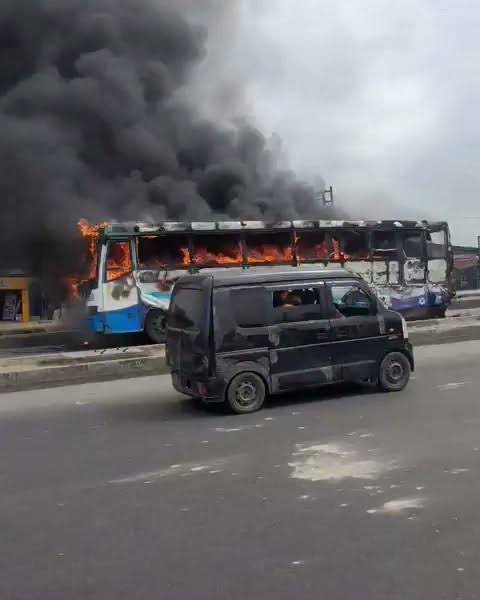
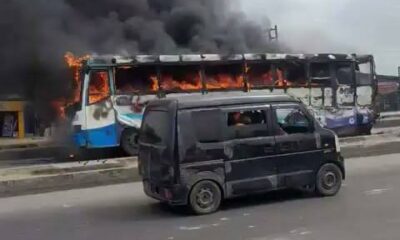
An angry mob has set a Bus Rapid Transit (BRT) bus on fire after it reportedly crushed a commercial motorcyclist to death at Ogolonto Bus Stop along Ikorodu Road in Lagos State.
The incident occurred on Friday, October 16, 2026. Eyewitness accounts and social media reports indicate that the motorcyclist was riding alone along the restricted BRT lane when the collision happened. He died at the scene.
Enraged residents and youths then attacked the bus driver and set the vehicle ablaze. Police officers and officials of the Lagos Neighbourhood Safety Corps (LNSC), who were nearby, intervened promptly and rescued the driver unharmed.
The identity of the deceased motorcyclist and the exact circumstances of the crash had not been officially confirmed at the time of filing this report. It was also unclear whether any arrests had been made in connection with the burning of the bus.
News
ARISE News Wins Seven Honours At Nigerian Broadcasters Merit Awards
The awards recognised the network’s achievements in television journalism and programming, with ARISE News winning the Best TV Channel (Viewer’s Choice) category.
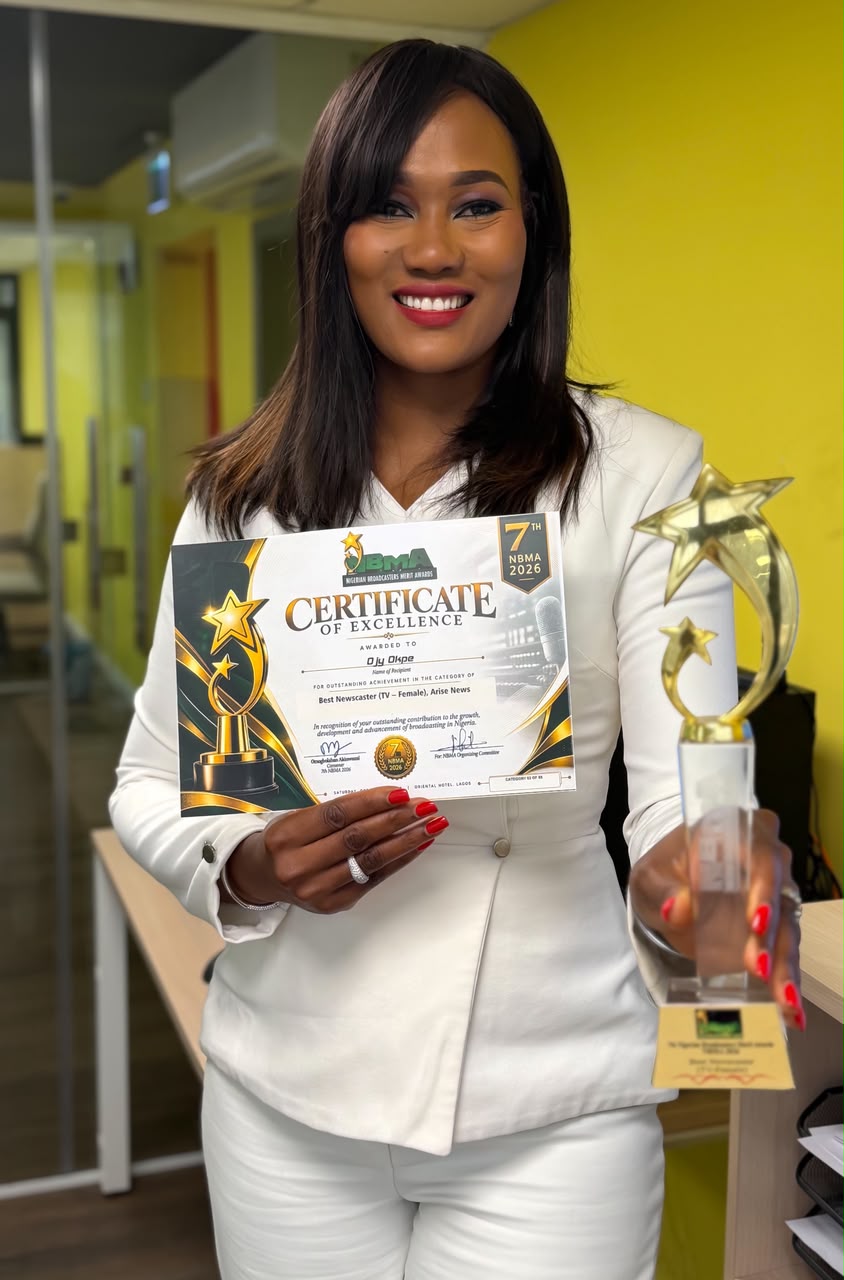
• ARISE News Anchor and host of What’s Trending Ojy Okpe was named Best Newscaster (TV – Female)
ARISE News has emerged as one of the major winners at the just ended Nigerian Broadcasters Merit Awards (NBMA).
ARISE News won seven honours across television broadcasting, news reporting, presentation and production during the ceremony.
The awards recognised the network’s achievements in television journalism and programming, with ARISE News winning the Best TV Channel (Viewer’s Choice) category.
The network’s flagship breakfast programme, The Morning Show, also won the Best TV Talk Show award, further strengthening its recognition in television broadcasting.
ARISE News Anchor and host of What’s Trending Ojy Okpe was named Best Newscaster (TV – Female).
Rufai Oseni was named Nigerian Broadcaster of the Year (Male), while Vimbai Mutinhiri-Ekpeyong received the Nigerian Broadcaster of the Year (Female) award.
The recognition extended to the network’s newsroom, with Ovieteme George winning Best TV News Reporter (Male) for his contributions to television news reporting.
Behind the camera, Sam Adeyemi received the Best Camera Operator/Cinematographer award, recognising his work in television production and visual storytelling.
News
Meta removes 3.7 million accounts in West Africa scam crackdown
The joint operation led to 28 arrests, identified more than 30 suspected scam centres and rescued 117 people allegedly trafficked and forced to work in scam compounds in Ghana.
Meta, the parent company of Facebook and Instagram, has removed more than 3.7 million Facebook and Instagram accounts, pages and groups linked to suspected scam networks operating in West Africa.
The joint operation led to 28 arrests, identified more than 30 suspected scam centres and rescued 117 people allegedly trafficked and forced to work in scam compounds in Ghana.
The company announced the crackdown in a statement on Tuesday, October 13, 2026. It involved 14 technology companies and law enforcement agencies from 10 countries.
The United Kingdom’s National Crime Agency coordinated the operation with the US Department of Justice, the Federal Bureau of Investigation and other agencies. Nigerian authorities were involved.
Other countries included Ghana, Australia, Canada, New Zealand and India.Tech companies that took part included Google, Microsoft, OpenAI, Coinbase, Starlink and Adobe.
Meta said the partnership let participants share intelligence across digital platforms, countries and financial systems to identify criminal networks.


JUST IN: Mob Sets BRT Bus Ablaze After Motorcyclist’s Death in Lagos

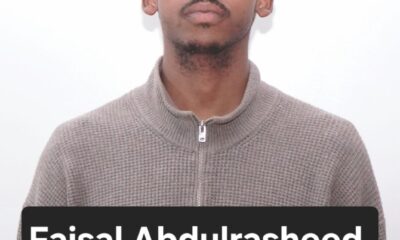
BREAKING: DSS Arrests Fugitive Maina Son, Hands Him to EFCC

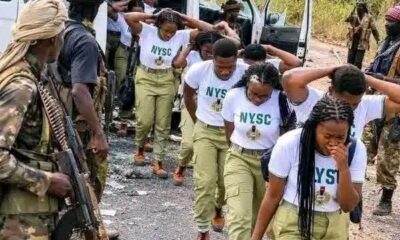
BREAKING: 5 Arrested Over Imo NYSC Abduction

BREAKING: Lagos Govt Declares Today, Thursday Work-Free to Mark 2026 Ìṣẹ̀ṣe Day

Tech Expert, Zuckerberg trains with UFC champions, Adesanya, Alexander

Organ Trafficking: Ekweremadu bags 10 years in UK prison
-
 Business3 days ago
Naira Exchange Rates Friday, October 16
-
 Crime2 days ago
BREAKING: 5 Arrested Over Imo NYSC Abduction
-
 News3 days ago
Meta removes 3.7 million accounts in West Africa scam crackdown
-

 News3 days ago
ARISE News Wins Seven Honours At Nigerian Broadcasters Merit Awards
-
 Crime2 days ago
BREAKING: DSS Arrests Fugitive Maina Son, Hands Him to EFCC
-
 News2 days ago
JUST IN: Mob Sets BRT Bus Ablaze After Motorcyclist’s Death in Lagos