
News
Operation Awatse nabs six suspected drug dealers in Lagos
The suspects include Okoduwa Odianose (38, Edo State), Obagede Abraham (25, Osun State), Abdulahi Umate (18, Borno State), Bala Abdullahi (18, Kano State), Mallah Umate (18, Borno State), and Habeeb Badmus (34, Kwara State).

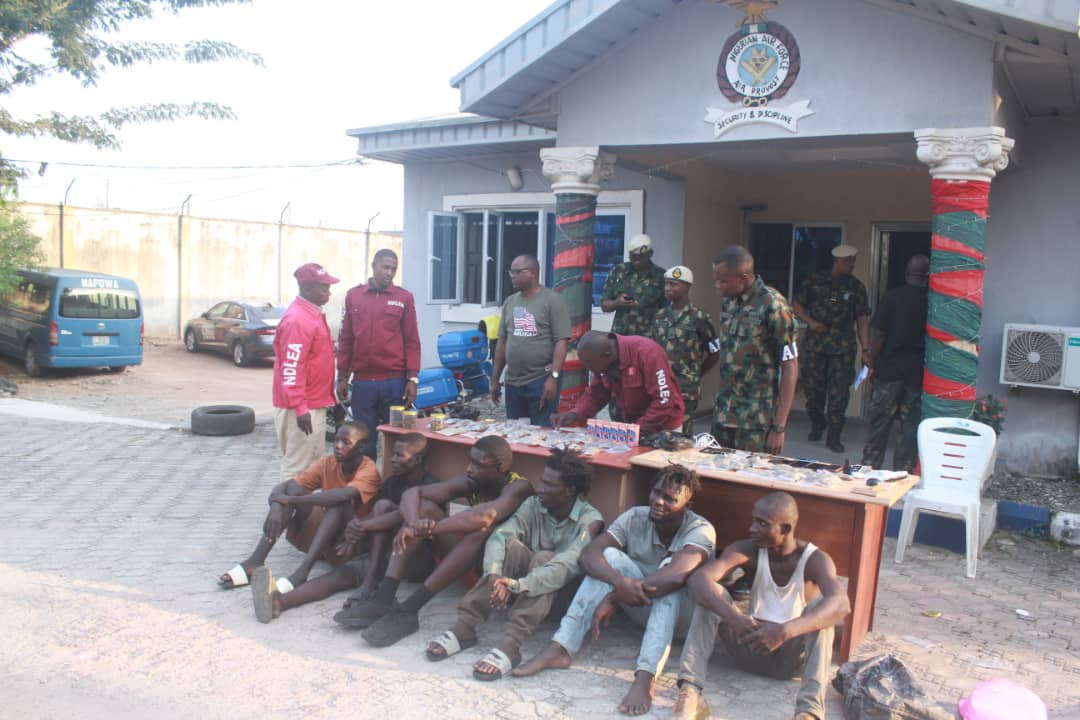
Image of the six suspects / NAF
In furtherance of ongoing efforts to disrupt criminal and terrorist activities within its Area of Responsibility (AOR), the Headquarters Joint Task Force South West, Operation AWATSE, has conducted a joint multi-component kinetic and non-kinetic operation code-named Operation EMBER Guard.
The operation, aimed at strengthening public confidence and enhancing inter-agency cooperation, led to a successful raid on a suspected drug den located along Idinmu Road, Egbeda, Lagos State, on 28 December 2025 at about 2300 hours.
During the operation, six suspects were arrested in connection with illegal drug-related activities.
The suspects include Okoduwa Odianose (38, Edo State), Obagede Abraham (25, Osun State), Abdulahi Umate (18, Borno State), Bala Abdullahi (18, Kano State), Mallah Umate (18, Borno State), and Habeeb Badmus (34, Kwara State).
The Items recovered from the suspects include three pieces of crack cocaine, 29 packs of ice, six bottles of codeine, 70 pieces of loud, six wraps of backwood, three small wraps of backwood, two wraps of Russian cream, 49 pieces of colos, two pieces of rohypnol, as well as other personal belongings.
The suspects and recovered exhibits were subsequently handed over to the Commander, National Drug Law Enforcement Agency (NDLEA), Lagos State Command, on 29 December 2025 at the Nigerian Air Force 651 Base Services Group(BSG) 3 Provost, Sam Ethnan AirForce Base, Ikeja, Lagos for further investigation and prosecution.
The Theater Commander, Headquarters Joint Task Force Operation AWATSE, Rear Admiral Abubakar Mustapha was ably represented by the Commander 651 BSG, Air Commodore IM Imam who handed over the suspects to NDLEA officials.
The Commander 651 BSG reiterated the operation’s commitment to sustaining joint operations with relevant security agencies to curb criminality and ensure the safety and security of lives and property within the South West region.


Motorists endured hours of gridlock on the Lagos-Ibadan Expressway on Tuesday after the Federal Government began two-week repairs on damaged expansion joints at the Kara Bridge.
The rehabilitation, which started on September 8 and is scheduled to run until September 22, involves replacing worn-out expansion joints that had exceeded their service life and posed safety risks. Work is being done in phases: one half of the affected section is closed at a time while traffic is controlled on the remaining lanes.
Traffic built up in the afternoon and stretched from the Kara Bridge in Ogun State to the 7Up Junction and beyond into Lagos, including areas around Secretariat, Ojota, Ikeja and the Otedola underpass. Security and traffic officials from the police, military, Lagos State Traffic Management Authority, Federal Road Safety Corps and Ogun State Traffic Compliance and Enforcement Corps were deployed to manage the flow.
The Federal Ministry of Works said the intervention, directed by the Minister of Works, aims to improve road safety and preserve the bridge’s structural integrity. Authorities have advised motorists to plan journeys carefully, consider alternative routes where possible, and cooperate with traffic managers during the repair period.
News
Abia ranks top in BudgIT 2026 report
The BudgIT 2026 Report ranked Abia second in aggregate revenue growth, third in Internally Generated Revenue (IGR) growth, first in total expenditure growth, capital expenditure growth, and personnel expenditure growth
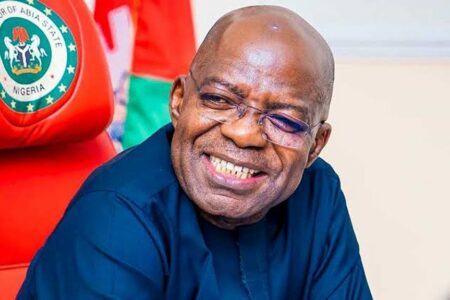
• Governor Otti
Abia state has emerged among the top-performing states in the 2026 BudgIT Report, covering 2017-2025.
The Abia State Commissioner for Information, Okey Kanu, who made the disclosure in Umuahia during a chat with newsmen, noted that the BudgIT 2026 Report ranked Abia second in aggregate revenue growth, third in Internally Generated Revenue (IGR) growth, first in total expenditure growth, capital expenditure growth, and personnel expenditure growth.
The commissioner said the performance reflected the administration’s prudent and strategic management of public resources.
“Abia State’s combination of revenue mobilisation, capital investment expansion, and administrative cost restraint points to a story of adroit and prudent management of resources,” said Kanu .
News
FG inaugurates Committee for nationwide activation of Nigeria’s unified 112 emergency number
Vice President Kashim Shettima, urged the committee to ensure its decisions were based on global best practices in order to develop a clear roadmap.
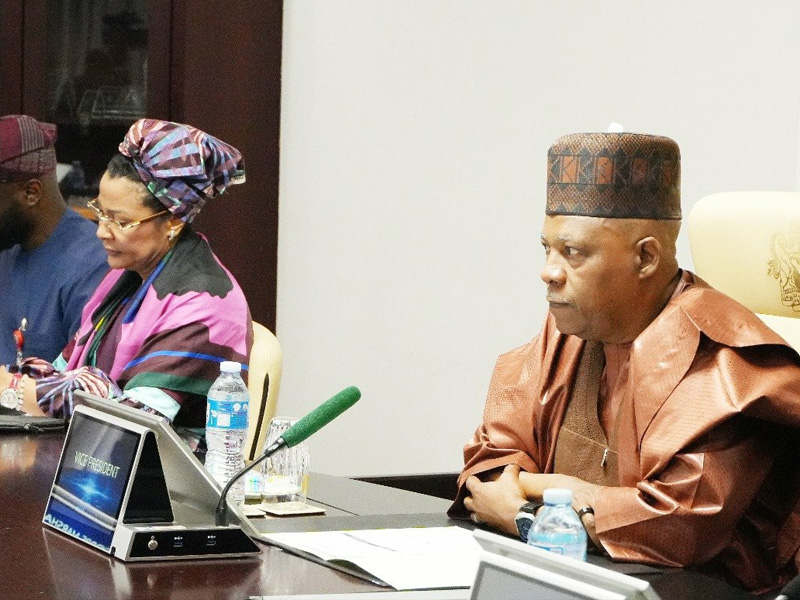
The Federal Government has set up a committee for the activation of the 112 national emergency number.
The committee comprises the Nigeria Police Force (NPF), Nigerian Communications Commission (NCC), National Emergency Management Agency (NEMA), Federal Road Safety Corps (FRSC) and other relevant agencies.
NEC had recently approved 112 as Nigeria’s single universal toll-free emergency number to replace fragmented and slow response lines, with a view to eliminating bureaucratic red tape and allowing citizens easy access to rapid assistance during fires, accidents, medical crises or security breaches.
Addressing stakeholders during the National Emergency Number 112 Project meeting , yesterday, Vice President Kashim Shettima, urged the committee to ensure its decisions were based on global best practices in order to develop a clear roadmap.
He charged the committee to finalise the roadmap and standard operating procedures for formal NEC endorsement,
Shettima stressed the need to make significant progress, assuring stakeholders that resources would be made available to fund the process once progress became visible.
“Let’s make progress so that whatever time we have spent here is worth spending. And most importantly, the engine is finance. It is resources to drive the process. And I want to assure you that we will get the resources,” the Vice President stated.


Takeaways From CIBN 19th Annual Banking and Finance Conference

Kara Bridge Repairs Cripple Lagos-Ibadan Expressway

Kenya Gives Foreign Traders 90 Days to Formalise Status Amid Xenophobia Fears

Tech Expert, Zuckerberg trains with UFC champions, Adesanya, Alexander

Organ Trafficking: Ekweremadu bags 10 years in UK prison

SAINT OBI: Between his marriage and his death
-

 Business2 days ago
Dangote Refinery Signs IPO Document Today
-

 Business2 days ago
NAFDAC Goes After Chinese Logistics Firms Over Products Counterfeiting
-
 Politics2 days ago
Obidient Connect Texas Plans Grand Rally for Obi-kwakwanso October 10
-
 News2 days ago
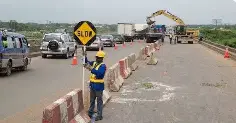
FG announces two-week traffic delays on Kara–Berger Bridge for repairs
-
 Politics2 days ago
Nigerians better off under military than democracy – Duke
-
 Sports2 days ago
Infantino To Seek Re-Election As FIFA President In 2027
-
 News2 days ago
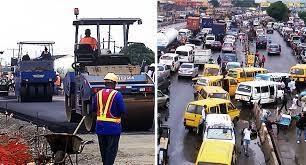
JUST IN: Traffic Chaos Expected on Lagos-Ibadan Expressway From Tuesday
-

 Entertainment1 day ago
Ikenga becomes highest-grossing Igbo film of all time