
News
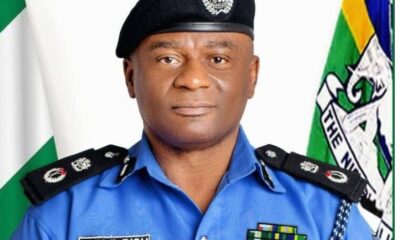
Obasanjo shares four pillars to end insurgency in Nigeria
Obasanjo emphasised that the civil war lasted for 30 months. Although we thought it would last for six months. But this fight against insurgents and criminals has lasted for almost 15 years.

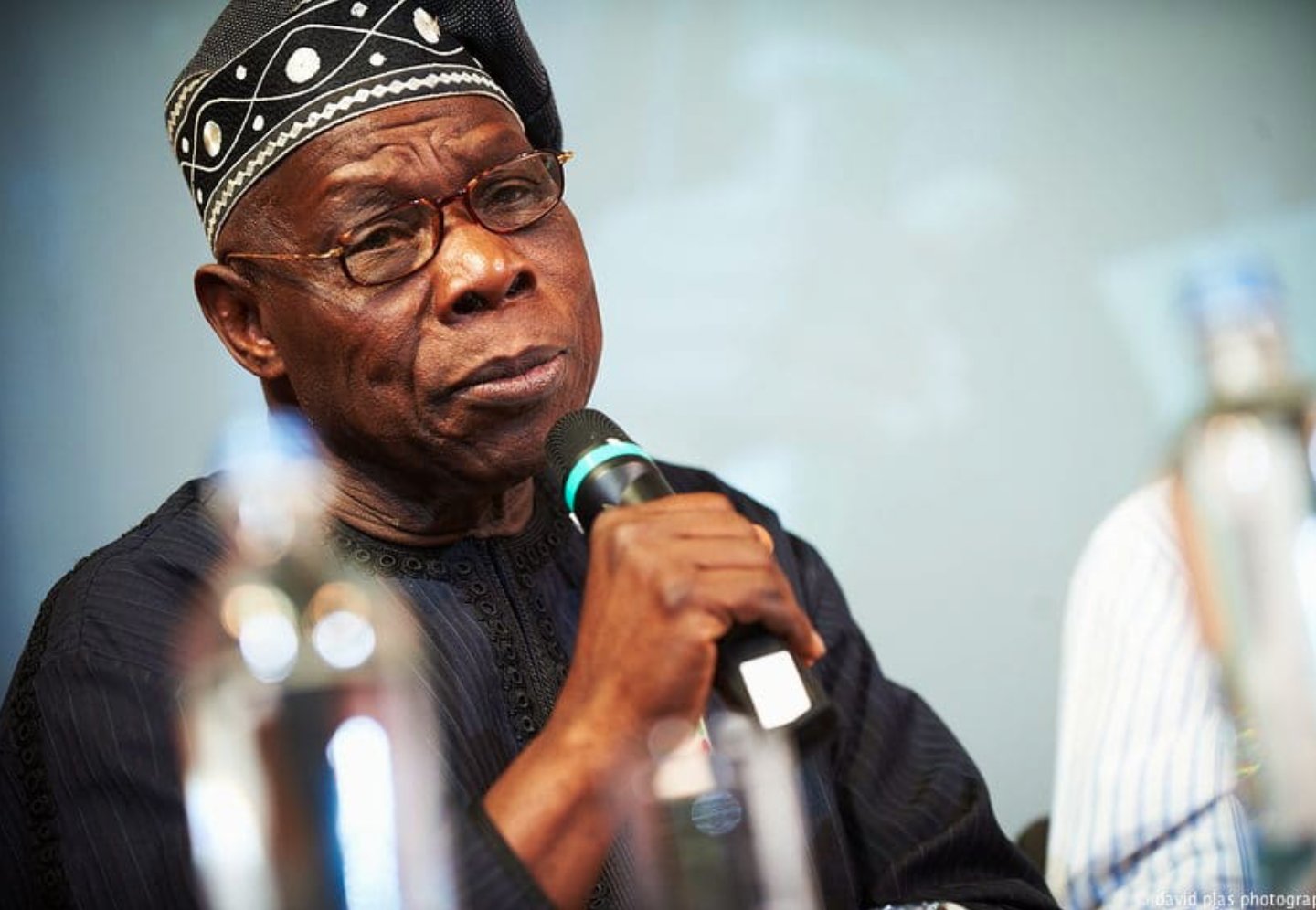
FORMER President Olusegun Obasanjo says that Nigerian government needs a combination of training, equipment, intelligence, and technology to end insurgency.
Obasanjo, during an appearance on the ‘Toyin Falola Interviews’ conversation, which was live-streamed on social media, noted that the fight against Boko Haram in Nigeria has lasted longer than the country’s civil war that took place between 1967 and 1970.
Obasanjo emphasised that the civil war lasted for 30 months. Although we thought it would last for six months. But this fight against insurgents and criminals has lasted for almost 15 years.
”There is nothing wrong with Nigerian military personnel receiving training in countries that have solved the insurgency challenge,”he added.
Citing his experience with the Niger Delta militancy, he said that he will not rule out the tendency of security personnel colluding with insurgents.
His words: “There are four important items and I hope that those who are in charge — military, executive, and legislature — know what they are doing.
First, there is training. There are different types of training.
The military is trained for conventional war.“If the people you are dealing with are fleeting targets or living among your people, you will need different types of training to deal with them.
“Among the countries that have done that fairly successfully is Colombia. Should we invite them to train our people? There is no shame in that. It is a specialised type of training.“
There is the equipment. The equipment to fight that type of warfare. It differs from equipment for conventional warfare.
The other one is intelligence. You need absolute intelligence. Can others trust us with the intelligence that they have?“The fourth one is technology. These four have to come together and do other things internally.
“Then you ask the military to be the one buying equipment. It is not done. The whole thing is an industry. It is an industry,” he said.







News
NNPCL Faults NISO’s Claim of No Gas To Power Generating Plants
It, however, maintained that gas production had increased by about 10 per cent in 2026 so far, as the company pursued the Federal Government’s gas development and monetisation agenda.
The Nigerian National Petroleum Company Limited has dismissed claims by the Nigerian Independent System Operator (NISO) blaming the nationwide power supply outages on partly to limited gas availability and reduced water inflows to hydroelectric power stations.
In a statement issued on Saturday in Abuja by its Chief Corporate Communications Officer, Andy Odeh, NNPC said that its pipelines remain available to deliver gas to power plants across the country.
The national oil company said its operational records did not indicate any transportation-related constraints within the network operated by its subsidiary, NNPC Gas Infrastructure Company Limited, that could explain the current drop in power generation.
It, however, maintained that gas production had increased by about 10 per cent in 2026 so far, as the company pursued the Federal Government’s gas development and monetisation agenda.

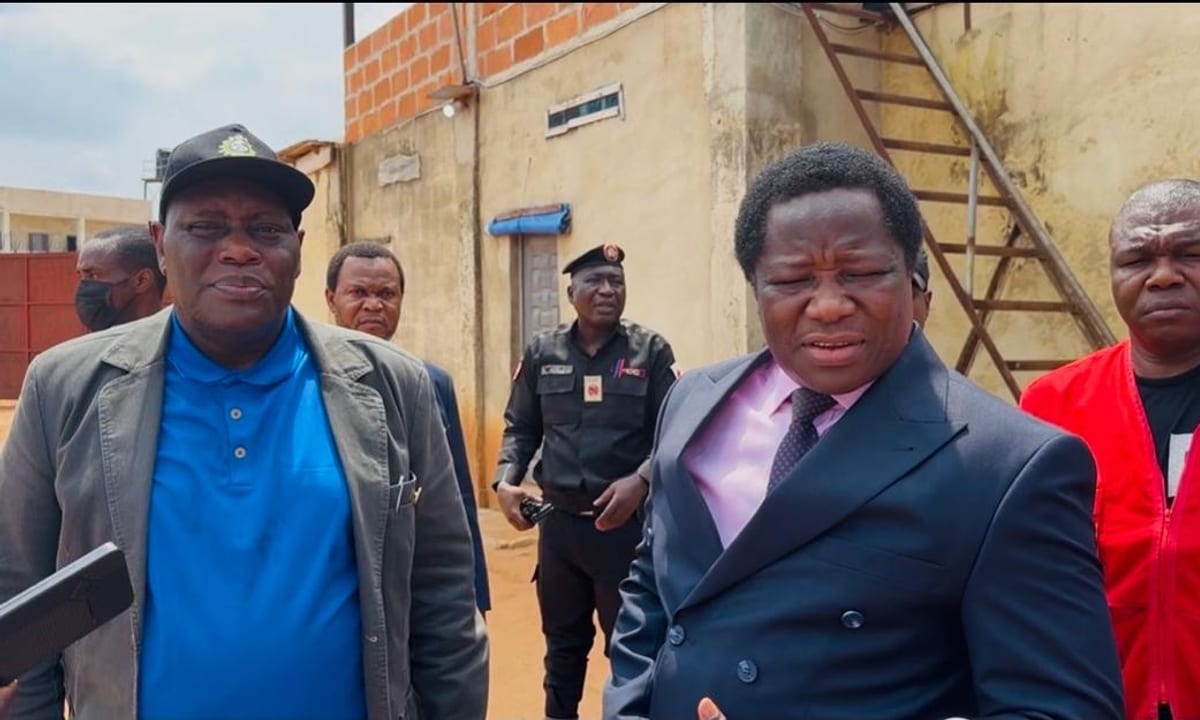
The Nigerian Midstream and Downstream Petroleum Regulatory Authority (NMDPRA) and operatives of the Economic and Financial Crimes Commission (EFCC) on Tuesday stormed an illegal Chinese-operated refinery in Ogere-Remo, Ikenne Local Government Area of Ogun State.
The joint operation followed intelligence reports that revealed a well-fenced but crude yet technically sophisticated facility occupying more than three hectares of land.
During the inspection, officials observed underground tanks believed to have been used for heating and processing sludge oil, refining waste products, and substances suspected to be Automotive Gas Oil (AGO), popularly known as diesel. NMDPRA officials immediately sealed the facility.
Ogun State Coordinator of NMDPRA, Dr. Atilola Akinyemi, described the plant as a complete illegality operating without any permit from regulatory authorities.
“The underground storage facility behind the site has an estimated capacity of more than 90,000 litres, complete with underground heating systems, water hydrants for cooling, locally fabricated tanks and silos for separation,” Akinyemi told journalists.
He warned that if such adulterated products entered the market, they would pose serious risks to vehicles and engines. All recovered products have been confiscated by the Federal Government.
Director of the Department of Proceeds of Crime Management at the EFCC, Gbolahan Latona, stressed the need for collective patriotism in tackling economic crimes.
“Upon conclusion of investigation, the suspects will have their day in court and the proceeds of crime will be put to meaningful use,” Latona said.
Watch video below:
News
Sanusi: Critics Are Not Enemies Of The Govt
” It’s not every time people talk about poverty or talk about difficulty that they’re just enemies of the government or making an attack on the president. That is not how to respond to economic distress,” he said.
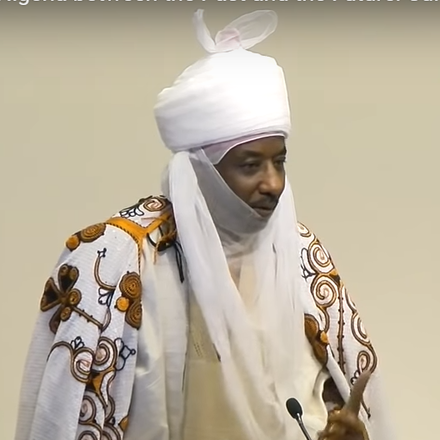
The Emir of Kano, Alhaji Muhammadu Sanusi II, has advised the Federal Government against treating every comment about the administration as an attack on President Bola Tinubu.
The royal father gave the advise on the occasion of the Oxford Global Think Tank Leadership Conference, organised by the Oxford Global Think Tan.
Speaking virtually to the audience at the event, on Tuesday, Sanusi advised the government to tolerate constructive criticism.
“It’s not every time people talk about poverty or talk about difficulty that they’re just enemies of the government or making an attack on the president. That is not how to respond to economic distress,” he said.


Manchester City lose ground in EPL title race

NNPCL Faults NISO’s Claim of No Gas To Power Generating Plants

Enugu Air Begins London Gatwick flights From December 10, 2026

BREAKING: Lagos Govt Declares Today, Thursday Work-Free to Mark 2026 Ìṣẹ̀ṣe Day

Tech Expert, Zuckerberg trains with UFC champions, Adesanya, Alexander

Organ Trafficking: Ekweremadu bags 10 years in UK prison
-
 Crime2 days ago
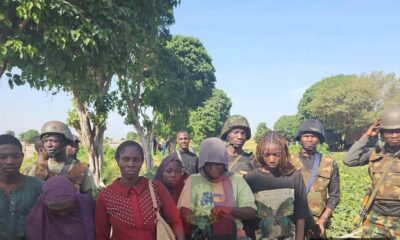
Army Deals Major Blow to Terrorists in Niger, Frees 16 Abductees
-
 Politics20 hours ago
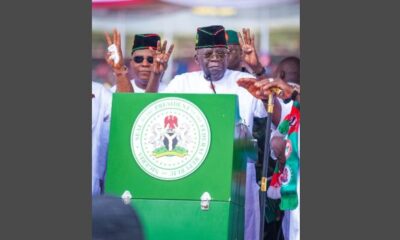
Tinubu Woos Nigerian Youths At Rivers Rally
-
 News12 hours ago
NNPCL Faults NISO’s Claim of No Gas To Power Generating Plants
-
 Business13 hours ago
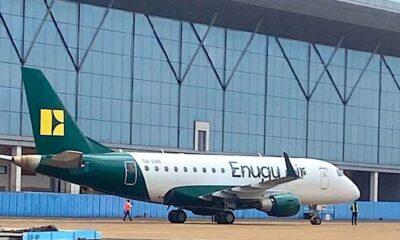
Enugu Air Begins London Gatwick flights From December 10, 2026
-
 Sports12 hours ago
Manchester City lose ground in EPL title race
-

 Sports13 hours ago
Nigeria Wins First U-17 Women’s World Cup By 2:1 Against Japan