
Business
Nigerian telcos give update on 50% telecoms tariff hike

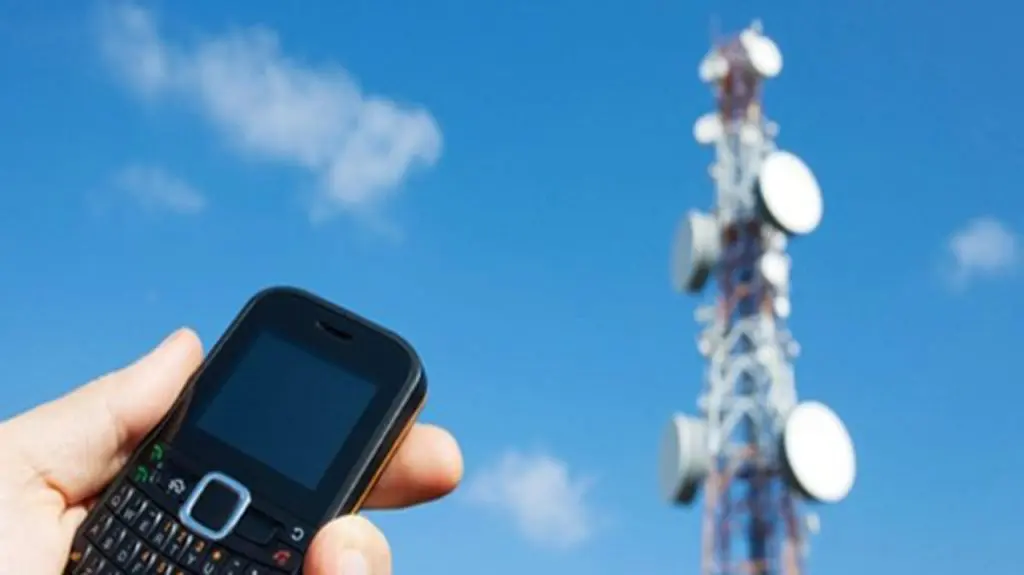
Telecommunications companies operating in Nigeria have revealed that they will soon commence charging subscribers the 50 percent call, data, and other tariff hike.
The Chairman of the Association of Telecommunication Companies, ATCON, Gbenga Adebayo, made the disclosure in an interview with newsmen.
Adebayo noted that telcos are concurrently fulfilling all regulatory requirements necessary to implement the fresh telecoms tariff hike for subscribers.
He did not state the exact date telcos would commence the fresh tariff hike implementation but said it would take off any time operators such as MTN, Airtel, and Glo conclude the required regulatory steps.
“The 50 percent tariff hike will be implemented as soon as possible. We are now going through regulatory requirements of the telecoms tariff hike.
“When the regulatory steps are completed, operators will start introducing the new tariff.
“I can’t say February 2025 or earlier, but as soon as the regulatory steps are concluded, operators will introduce the new tariff hike”.
His update follows the recent approval of a 50 percent telecom service tariff hike by the Nigerian government through the Nigerian Communications Commission.
While the Minister of Communications and Digital Economy, Bosun Tijani, blamed rising inflation as justification for the tariff hike, the Nigeria Labour Congress and subscribers have rejected the move on the ground that it would worsen the hardship in Nigeria.


BLACK MARKET RATES
₦1375 DOLLAR (USD)
₦1790 POUND (GBP)
₦1495 EURO (EUR)
₦970 DOLLAR (CAD)
₦65 SOUTH AFRICAN RAND (ZAR)
₦350 UAE DIRHAM (AED)
₦190 CHINESE YUAN (CNY)
₦100 GHANAIAN CEDI (GHS)
₦2300 CFA F.(XOF)
₦2200 CFA F.(XAF)
₦850 AUSTRALIAN DOLLAR AUSSIE (AUD)
OFFICIAL CBN EXCHANGE RATES
DOLLAR (USD)₦1344.40
POUND (GBP)₦1798.28
EURO (EUR) ₦1506.41
SWISS FRANC (CHF)₦1632.35
JAPANESE YEN (JPN)₦8.56
CFA FRANC (XOF)₦2.29
WEST AFRICAN UNIT OF ACCOUNT (WAUA)₦1809.35
CHINESE YUAN (CNY)₦201.44
SAUDI RIYAL (SAR)₦358.32
SOUTH AFRICAN RAND (ZAR)₦81.3
The Nigerian naira traded near recent levels against the US dollar on Thursday, with a modest gap between the official and parallel markets.
Official Market (CBN / NFEM)
- The official Nigerian Foreign Exchange Market (NFEM) rate closed around ₦1,334.72 per US dollar on October 21 (the most recent published CBN figure).
- Intraday trading on that day ranged roughly between ₦1,333 and ₦1,337.
- Interbank FX turnover rose sharply to about $127.6 million.
Parallel / Black Market (Aboki / Street Rate)
- Bureau de Change and parallel market dealers are quoting the dollar in the ₦1,370–₦1,390 range for selling (what you pay to buy dollars).
- Typical buy rates (what dealers pay for dollars) are around ₦1,355–₦1,375.
- The premium over the official rate remains relatively moderate by recent historical standards (roughly 3–4%).
Mid-Market Reference
International mid-market rates (used by many global converters) hover around ₦1,332–₦1,335 per dollar.
Quick Summary
| Market | Approx. Rate (₦ per $1) | Notes |
|---|---|---|
| Official (CBN/NFEM) | 1,335 | Latest published close |
| Parallel (Sell) | 1,370 – 1,390 | Street / BDC rate |
| Mid-market | 1,332 – 1,335 | Global reference |
Context: The naira has been relatively stable in recent sessions, supported by improved FX liquidity and external reserves. The gap between official and parallel rates remains narrower than the wide spreads seen in previous years, though demand for dollars for imports, travel, and remittances continues to influence the street rate.
Rates can shift during the day. Always confirm with a trusted bank, Bureau de Change, or licensed operator before transacting.
Business
RMRDC Taking 2027 Africa Raw Materials Summit To Kenya
Speaking with newsmen during the conclusion of the ARMS 2026, Ike-Muonso said Nigeria is the only county that has an organisation, government-owned organisation in the continent that is fully dedicated to adding value to raw materials.

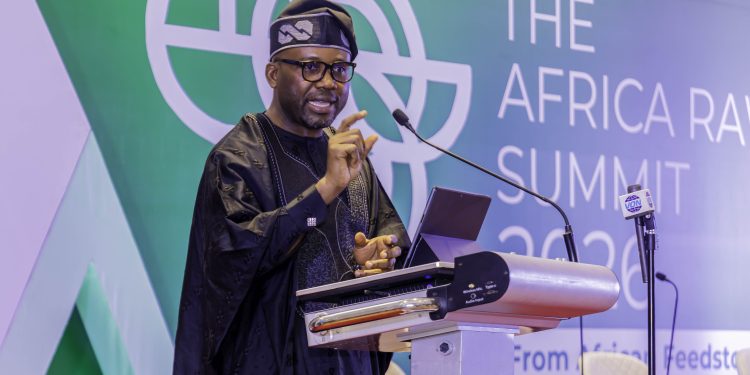
• Photo: Hon.Minister, Federal Ministry of Innovation, Science and Technology (FMIST), Dr Kingsley Udeh, declaring the event open.
The third edition of the Africa Raw Materials Summit (ARMS) 2027, would be used to garner support for setting up a centralised continental database for raw processing and value addition that is accessible to investors and industrialists.
The Director-General of the Raw Materials Research and Development Council (RMRDC), Prof. Nnanyelugo Ike-Muonso, disclosed this during the ARMS 2026 Summit , held in Abuja, themed, ‘From African Feedstock To Factories.’
Building enthusiasm ahead of the next year’s event scheduled to hold in Kenya, East Africa, Ike-Muonso explained that the decision to take the summit to Kenya was reached following what he described as the East Africa country participants’ dominance in the first and second edition of the summit.
Ike-Muonso said Nigeria is the only county that has an organisation, government-owned organisation in the continent that is fully dedicated to adding value to raw materials.


Naira To Dollar, Pound, Euro… Today October 23

JUST IN: Nollywood Veteran Francis Duru Dies at 57 After Brief Illness

UPDATE: Identity of Woman Who Flew into Nigeria with Ebola Virus Revealed

BREAKING: Lagos Govt Declares Today, Thursday Work-Free to Mark 2026 Ìṣẹ̀ṣe Day

Tech Expert, Zuckerberg trains with UFC champions, Adesanya, Alexander

Organ Trafficking: Ekweremadu bags 10 years in UK prison
-
 Business2 days ago
Naira Exchange Rates Wednesday, October 21, 2026
-
 Business2 days ago
Currency Words You Should Know
-

 Business2 days ago
NCC, CBN To Warn Companies By Flagging Fraudulent Phone Numbers
-
 Business2 days ago
JPMorgan Eyeing Entry Into Nigeria’s Banking Industry
-

 Business2 days ago
RMRDC Taking 2027 Africa Raw Materials Summit To Kenya
-
 Health3 days ago
BREAKING: Nigeria Confirms First Ebola Case
-
 Business2 days ago
How I steal ATM users’ PINs, defraud them
-
 Politics2 days ago
NDC Plans Fresh Congresses To Replace Defector Members