
News
Kogi State’s Strategic Partnership with NASRDA to Enhance Science and Technology Integration

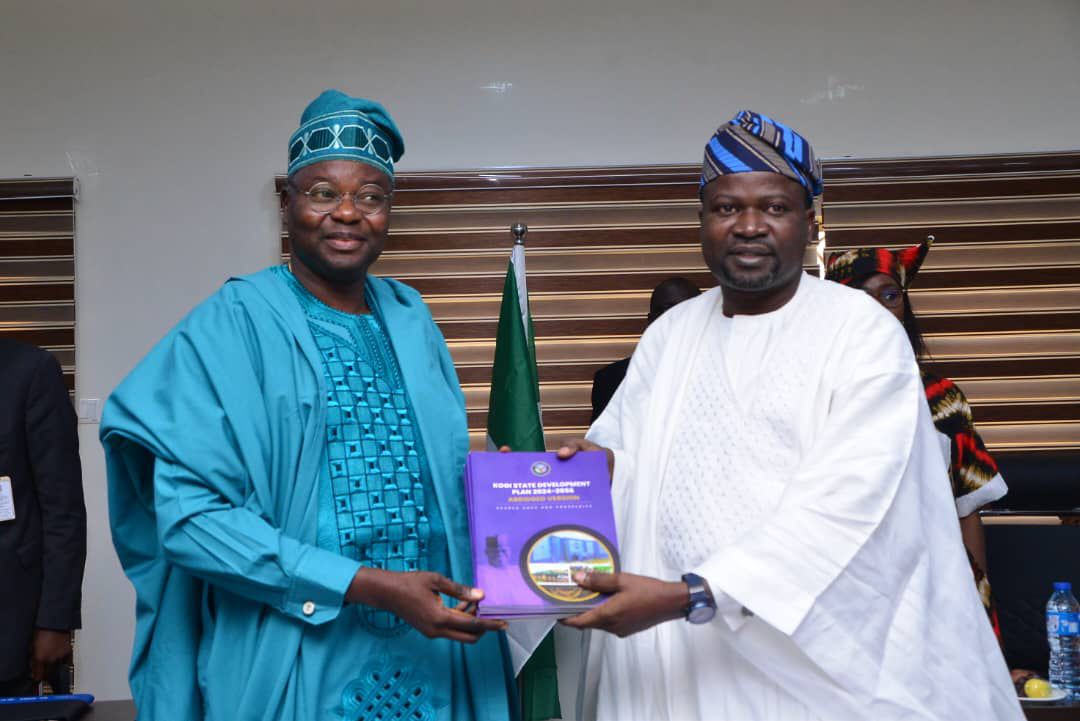
……NASRDA Chief Applauds Kogi State’s Progress Under Ododo….
The Kogi State government has expressed its readiness to collaborate with the National Space Research and Development Agency (NASRDA) to accelerate technological innovations and fast-track processes to drive sustainable development in Kogi State. This announcement was made during a courtesy visit by the governor to the Director-General/Chief Executive Officer of NASRDA, Dr. Mathew Olumide Adepoju, at the agency’s headquarters in Abuja on Tuesday.
The governor, represented by the State’s Commissioner for Finance, Budget, and Economic Planning, Asiwaju Asiru Idris, stated that his administration has invested in technological solutions and established relevant institutions to transform the state’s civil service and create wealth. He added that the partnership with NASRDA would allow for synergy among all the institutions implementing technological solutions in the state.
Governor Ododo emphasized the necessity of reviewing the technical partnership between the state and NASRDA to coordinate investments in technology. He said, “If we are to accelerate development and achieve the goals set for ourselves as a government, technology is a sine qua non.”
“The state’s Ministries of Science and Innovation, Education, Environmental and Disaster Management, Mineral and Natural Resources, and Agriculture, along with agencies such as Agro-Climatic Resilience in Semi-Arid Landscapes (ACReSAL) and Emergency Management, will serve as anchors for the partnership. Other government institutions implementing various technological solutions will be brought together to align their efforts,” he added.
Expressing the state’s readiness for collaboration with NASRDA, Governor Ododo highlighted that the Kogi State 32-Year Development Plan is aimed at providing a coherent framework for long-term strategic development to transform Kogi State into a robust and economically viable state in Nigeria.
“We have developed a 32-Year Development Plan aimed at providing a coherent framework for long-term strategic development towards transforming Kogi State into a robust and economically viable state in Nigeria. The Government of Kogi is poised to consolidate on the gains of previous administrations. As such, this team is here to reactivate our previous relationship with the number one Space Agency in Africa. We are well aware of the importance of the National Space Research and Development Agency (NASRDA) to the critical sectors of the nation’s economy, and we are here to leverage Space Technology in various areas of concern in Kogi State. Our 32-Year Kogi State Development is anchored on three pillars: fostering prosperity, building resilience, and providing direction. All three pillars cannot be optimally achieved without space technology,” he said.
Governor Ododo disclosed that Kogi State is aware of the importance of NASRDA to the critical sectors of the nation’s economy and was at the agency to reactivate former agreements on GIS and leverage Space Technology in various areas of concern in Kogi State. He reiterated that the State’s 32-Year Development is anchored on three pillars: fostering prosperity, building resilience, and providing direction, emphasizing that these critical areas cannot be optimally achieved without space technology.
While seeking collaboration with NASRDA in agriculture, Governor Ododo noted that his administration recently launched the Kogi State Green Revolution, where 100 tractors and thousands of tools were presented to farmers across the state.
“Agriculture is a critical sector under fostering prosperity in our Kogi State 32-Year Development Plan, with an objective to boost food production and promote food security using modern technologies. We recently launched the Kogi State Green Revolution, where 100 tractors and thousands of tools were presented to farmers across the state. We have also cleared over 10,000 hectares of land to demonstrate our preparedness in retaining our number one position in agriculture. We didn’t stop there; we are here to also engage NASRDA on innovative technologies in agriculture to drive prosperity in the state,” said the governor.
Earlier in his address, the governor congratulated Dr. Matthew Adepoju on his recent appointment by the President as the DG/CEO of NASRDA to lead the agency. He expressed optimism about Dr. Adepoju’s capacity to lift the agency to greater heights.
In his address, the DG/CEO of NASRDA, Dr. Matthew Adepoju, congratulated Governor Usman Ododo for his exemplary leadership in Kogi State, assuring that under his leadership, the state will witness tremendous transformation. He noted that the objective of the partnership is to identify and evaluate potential scientific and technological manpower already available in the state and harness the unique contributions of various science and technology bodies for the benefit of the state.
Dr. Adepoju stated that the Centre for Atmospheric Research, the Geospatial Tracking System, and other units of the agency are ready to collaborate with the Kogi State Government. The aim is to bring stakeholders together and communicate contemporary scientific and technological knowledge and skills to target groups such as schools, government institutions, and the private sector. He mentioned that under a former agreement, Kogi State GIS digitized fifty-one thousand buildings in Lokoja alone, noting that the agency will visit the state to assess what is on the ground and what needs to be added for the full optimization of education and other critical sectors.
The DG Commended the Governor for the 32 Years Road map, stating that any Governor with such a document is focused and Have a good plan for Rapid transformation. He called on other States to adopt the Strategy.
He commended the state for being up-to-date with the SUBEB capacity-building efforts in collaboration with NASRDA. Dr. Adepoju also pointed out that Kogi State’s strategic location at the confluence of the Rivers Niger and Benue makes it more vulnerable to flooding. Therefore, the agency and the state will collaborate on a strategic early-warning mechanism and address issues of residency along floodplain areas. He assured that NASRDA would align its plans with the state’s development goals and work hand-in-hand to realize the state government’s ambitious ideas.
In his opening remarks, Dr. James Musa commended Governor Usman Ododo for his exemplary leadership. Noting his close association with the state’s activities under Governor Ododo’s administration, Dr. Musa observed that the state is witnessing tremendous progress and urged the governor to sustain this momentum. He reiterated that the agency would plan in alignment with the state’s development plans and work collaboratively to achieve the government’s lofty objectives.
The representative of the governor, Mukadam Asiwaju Idris Asiru, was accompanied by several key officials: Commissioner for Education, Hon Wemi Jones; Commissioner for Agriculture, Hon Timothy Ojoma; Commissioner for Environment, Hon Joseph Oluwasegun; Commissioner for Science and Innovation, Dr. Helen Aderibigbe; Commissioner for Special Duties, Hon Sunday Faleke; Director-General of Agro-Climatic Resilience in Semi-Arid Landscapes (ACReSAL), Barrister Ladi Jato; Director-General of SEMA, Hon Muktar Altima.






……says Smoke Caused by Fire Suppression System
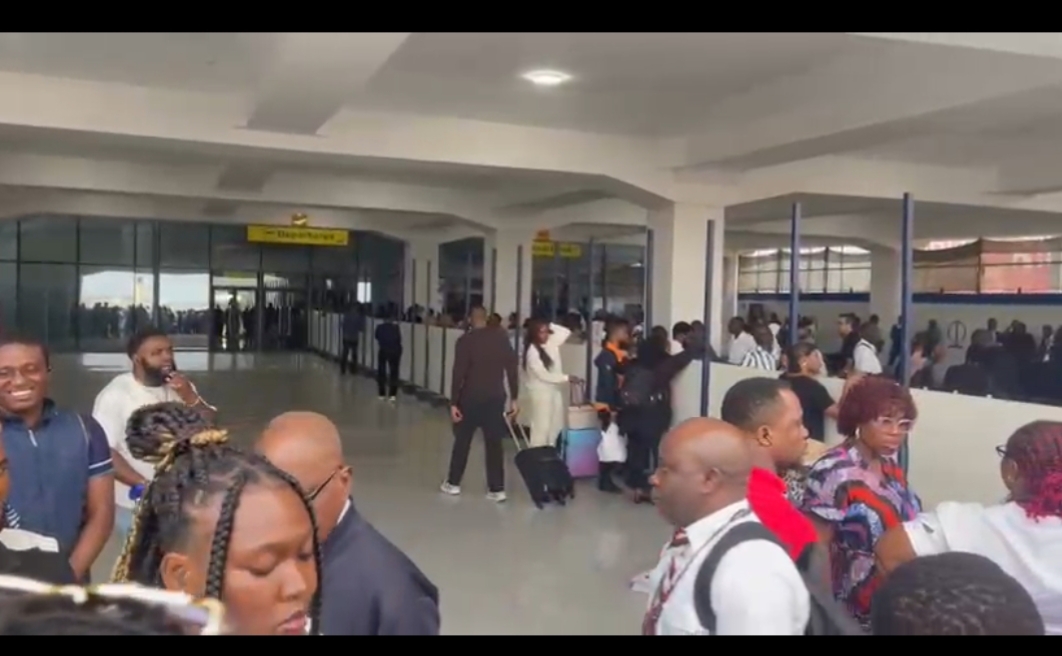
The Federal Airports Authority of Nigeria (FAAN) has clarified that there was no fire at Terminal 2 of the Murtala Muhammed International Airport (MMIA) in Lagos following an incident that prompted an earlier advisory.
Preliminary findings show that the smoke observed in the affected area resulted from the discharge of the terminal’s FM-200 fire suppression system. The cause of the system’s activation is still under investigation.
Normal operations have since resumed at the terminal. Detailed investigations are ongoing to establish the exact cause of the incident.
FAAN thanked passengers, airlines, airport users and other stakeholders for their understanding and cooperation, and reaffirmed its commitment to the safety and security of all airport operations.
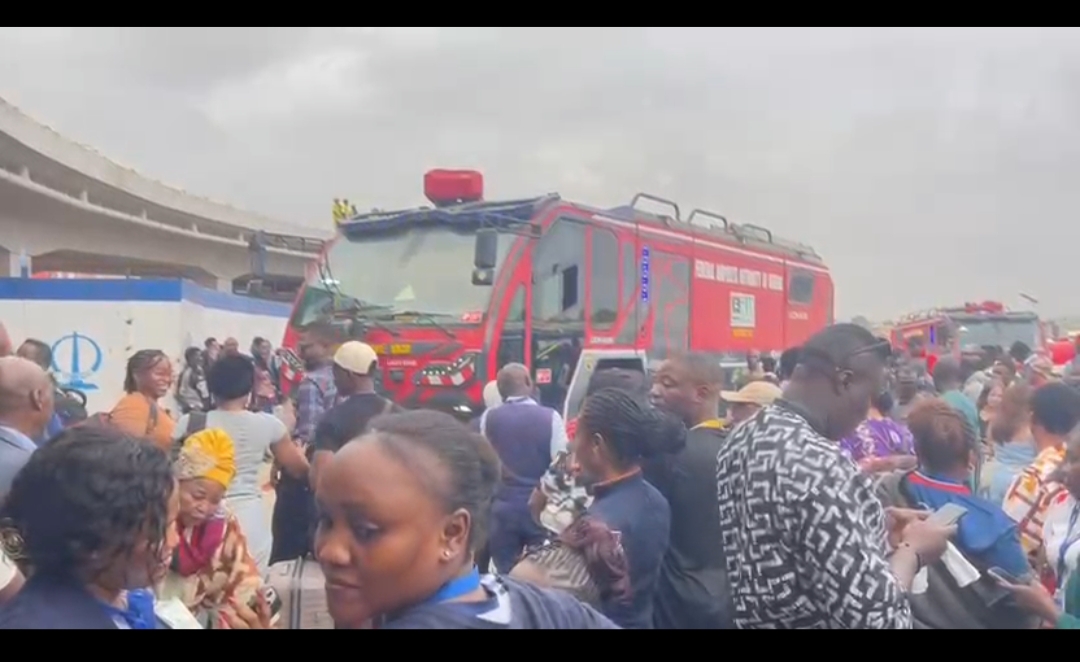
A fire has broken out at a terminal of the Murtala Muhammed International Airport in Lagos, according to reports.
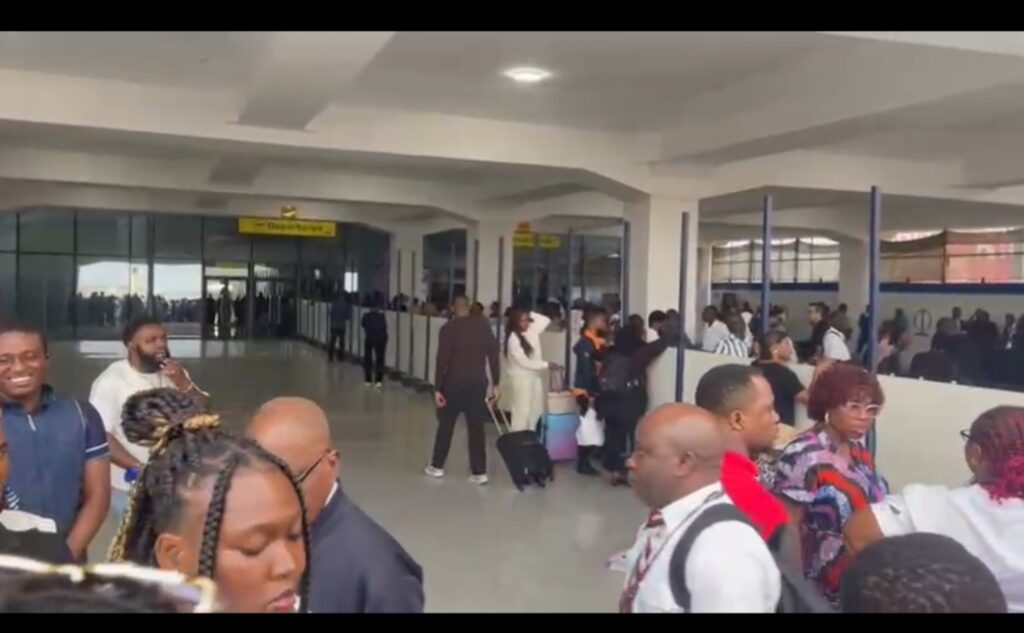
The incident is expected to cause flight delays, with passengers reportedly stranded outside the affected terminal as emergency responders work to contain the blaze and restore normal operations.
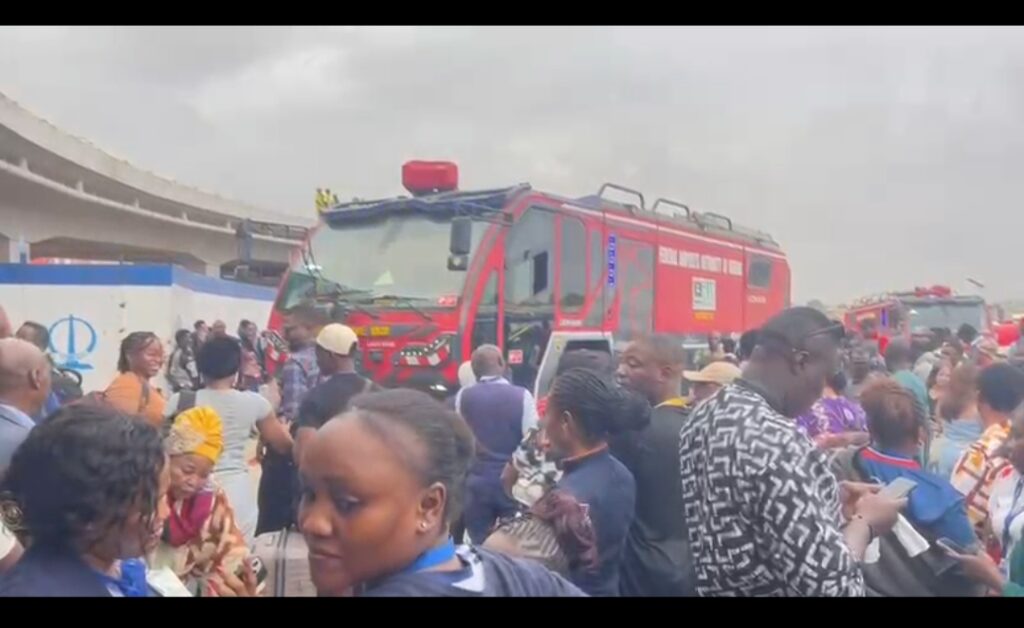
Further details on the cause, extent of the damage, and impact on flight schedules are still emerging. Airport authorities and emergency services are on site.
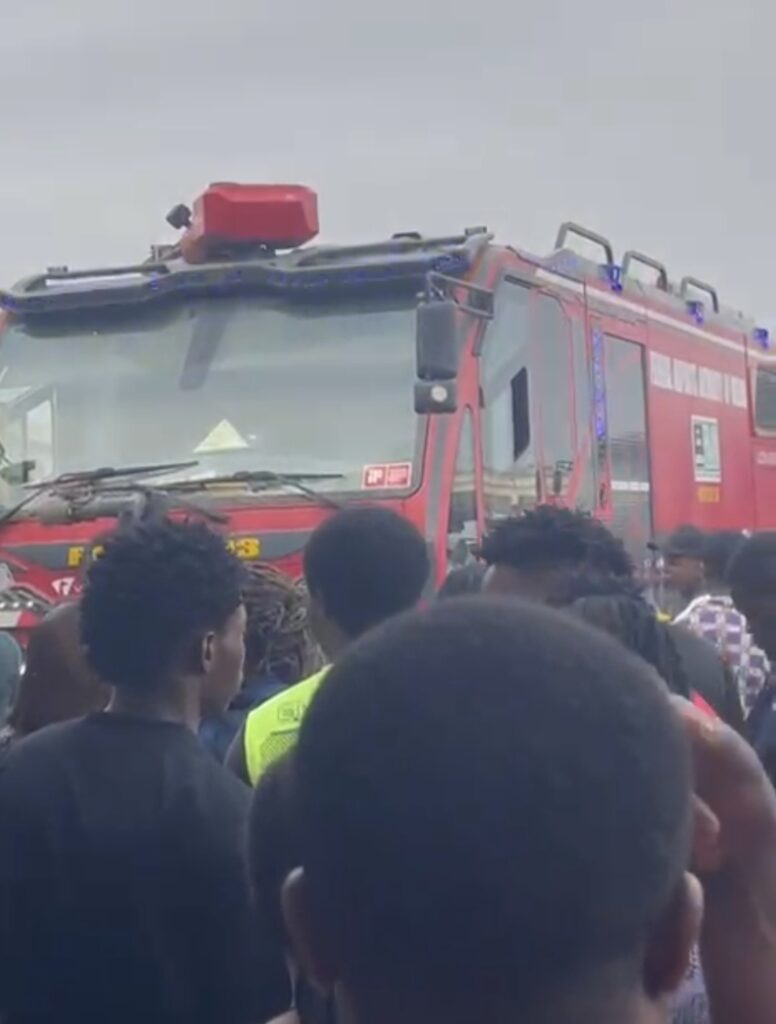
Watch video below:
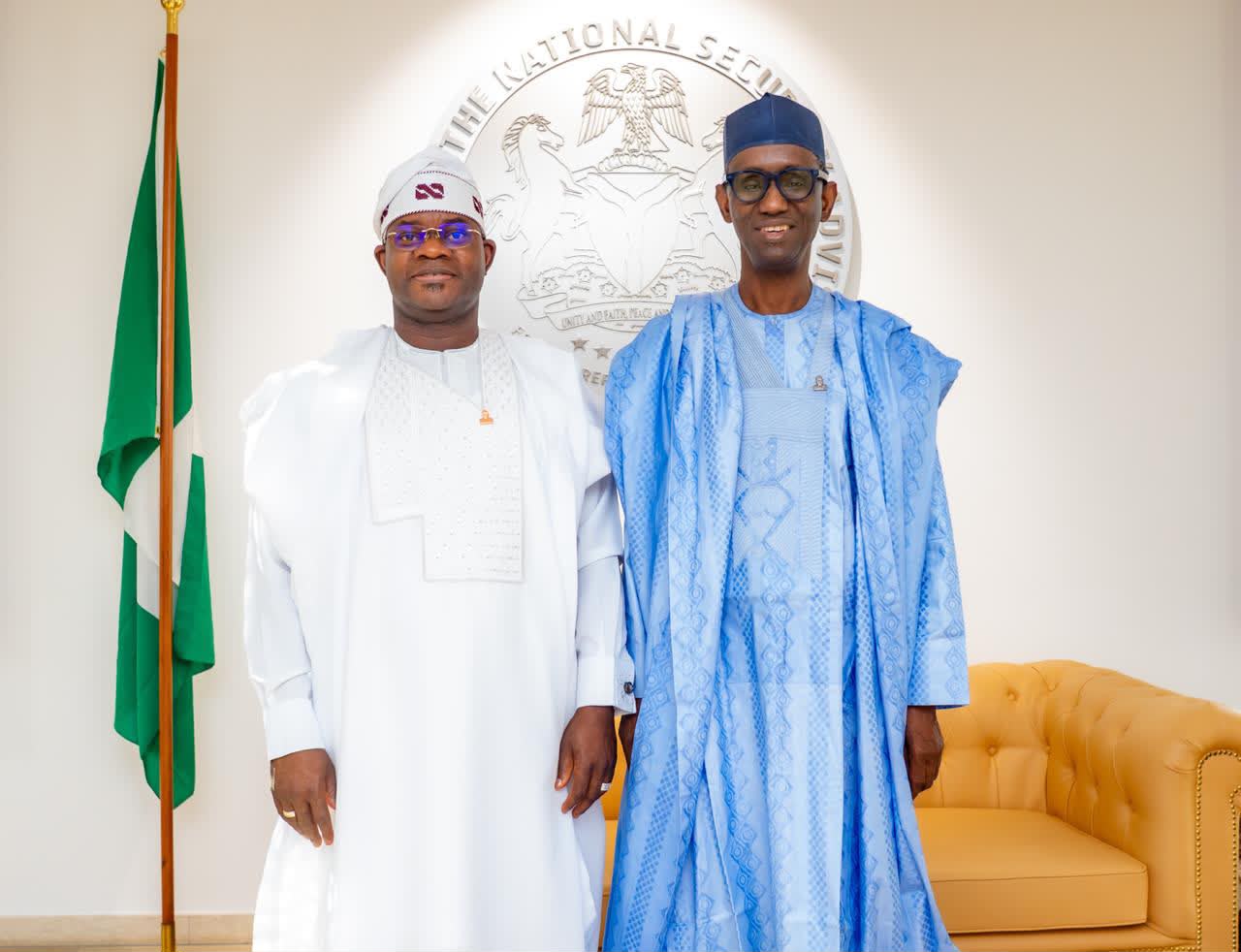
Former Kogi State Governor Yahaya Bello on Friday praised President Bola Ahmed Tinubu for steady progress in the fight against insecurity, during a meeting with National Security Adviser Nuhu Ribadu at the Office of the National Security Adviser in Abuja.
Speaking after the talks, Bello highlighted the recent foiling of an attempted abduction of schoolchildren in Kogi State as evidence of continued federal support and improved security coordination.
“I want to use this opportunity to commend Mr President and our leader, President Bola Ahmed Tinubu, for his relentless efforts in tackling insecurity across the nation. I also want to commend him and your humble self on the recent foiling of an attempted abduction of schoolchildren in Kogi State, which underscores the level of support the state continues to receive from the Federal Government. I attribute the successful operation to the vigilance, professionalism and improved coordination among the nation’s security agencies, which is clear evidence that intelligence-driven security operations are yielding positive results,” he said.
Bello particularly lauded Ribadu for providing strategic leadership and fostering stronger collaboration among security and intelligence agencies. He said the synergy under the NSA’s coordination had strengthened the country’s capacity to respond swiftly to emerging threats.
He also commended Tinubu’s sustained investment in intelligence gathering, security coordination and operational support, noting that these efforts had boosted the morale and effectiveness of personnel protecting lives and property.
On the recent rescue of abducted schoolchildren in Oyo State, Bello applauded the President, the National Security Adviser and the security agencies for their professionalism and determination in securing the victims’ safe release. He paid tribute to officers who lost their lives in the operation.
“Mr President also deserves commendation for the recent rescue of the abducted schoolchildren in Oyo State. I equally commend you, my brother, the National Security Adviser, and, of course, the security agencies for your painstaking efforts, professionalism and determination in securing the safe release of the victims. I also pay tribute to the brave officers who made the ultimate sacrifice during the operation. Their courage and selflessness remain a testament to their unwavering commitment to the defence of our country,” he said.
Ribadu, welcoming the former governor, stressed that insecurity concerns every Nigerian and that collective action is essential.
“I want to warmly welcome you to my office this afternoon, my brother. The issue of insecurity concerns everyone in this country, and I believe that if we all play our part at our various levels, we shall overcome insecurity in Nigeria,” he said.
Bello urged citizens to remain vigilant and share timely, credible information with security agencies, emphasising that tackling insecurity requires sustained cooperation between the public and security institutions.
He expressed confidence that under Tinubu’s leadership and Ribadu’s strategic guidance, Nigeria would continue to record significant gains against criminality, with ongoing reforms and inter-agency collaboration laying a foundation for lasting peace, stability and national development.


Good News According to Jesus Films Delight Thousands at Jehovah’s Witnesses’ Eternal Happiness Convention

“No Fire at Lagos Airport Terminal 2” – FAAN Claims

BREAKING: Fire Outbreak at Murtala Muhammed International Airport Terminal (Images)

Tech Expert, Zuckerberg trains with UFC champions, Adesanya, Alexander

Organ Trafficking: Ekweremadu bags 10 years in UK prison

SAINT OBI: Between his marriage and his death
-

 News3 days ago
JUST IN: Prof. Segun Aina Takes Over as New JAMB Registrar
-

 Politics2 days ago
BREAKING: INEC Releases Tinubu, Atiku, Obi Credentials
-
 News22 hours ago
BREAKING: Fire Outbreak at Murtala Muhammed International Airport Terminal (Images)
-
 News2 days ago
Yahaya Bello Commends Tinubu’s Security Gains, Meets NSA Ribadu
-
 News18 hours ago
“No Fire at Lagos Airport Terminal 2” – FAAN Claims
-
 Entertainment9 hours ago
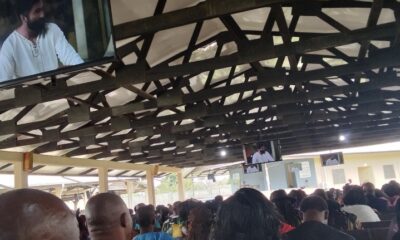
Good News According to Jesus Films Delight Thousands at Jehovah’s Witnesses’ Eternal Happiness Convention