
News
FG adds 15 new trade subjects to basic education curriculum

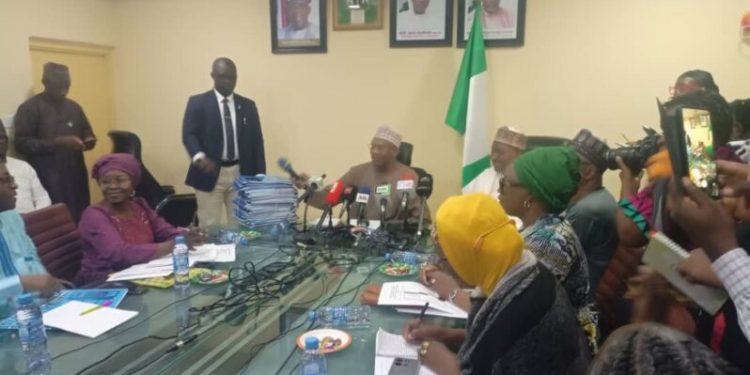
The Federal Government has introduced 15 new trade subjects into its basic education curriculum to equip students with critical skills for the job market.
The 15 trade subjects include plumbing, tiling and floor works, event management, garment making, digital literacy, solar installation, and agriculture.
The updated curriculum is designed to bridge the gap between academic learning and practical, hands-on expertise.
According to the National Orientation Agency (NOA), the new curriculum will take effect in January 2025. ”
Nigeria’s Basic Education curriculum updated 15 new trades were added to boost students’ practical skills & employability.
Takes effect Jan 2025 for primary & junior secondary students,” NOA announced on its ‘X’ page.
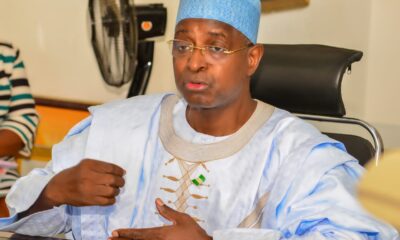
Education Minister Prof. Tahir Mamman described the initiative as a transformative step toward aligning the education system with the demands of the 21st-century economy. ”
This reform is a bold move to prepare our students for local and global opportunities by providing them with practical skills,” he said.
Students will be encouraged to learn one or two trades alongside their core academic subjects, according to the Ministry of Education.
The Permanent Secretary of the Ministry, Dr. Nasir Sani-Gwarzo, praised the Nigerian Educational Research and Development Council (NERDC) for expediting the curriculum review process despite significant challenges.
He stressed that the initiative would ensure students graduate with skills that meet the economic and industrial needs of their regions.
Acting Executive Secretary of NERDC, Dr Margret Lawani, added that the updated curriculum would include over 20 occupational subjects tailored to Nigeria’s regional and economic priorities.
“Our goal is to prepare students for industries of the future while addressing unemployment challenges,” she explained.
Preparations are already underway to train teachers, develop infrastructure, and integrate technology to support the new curriculum.







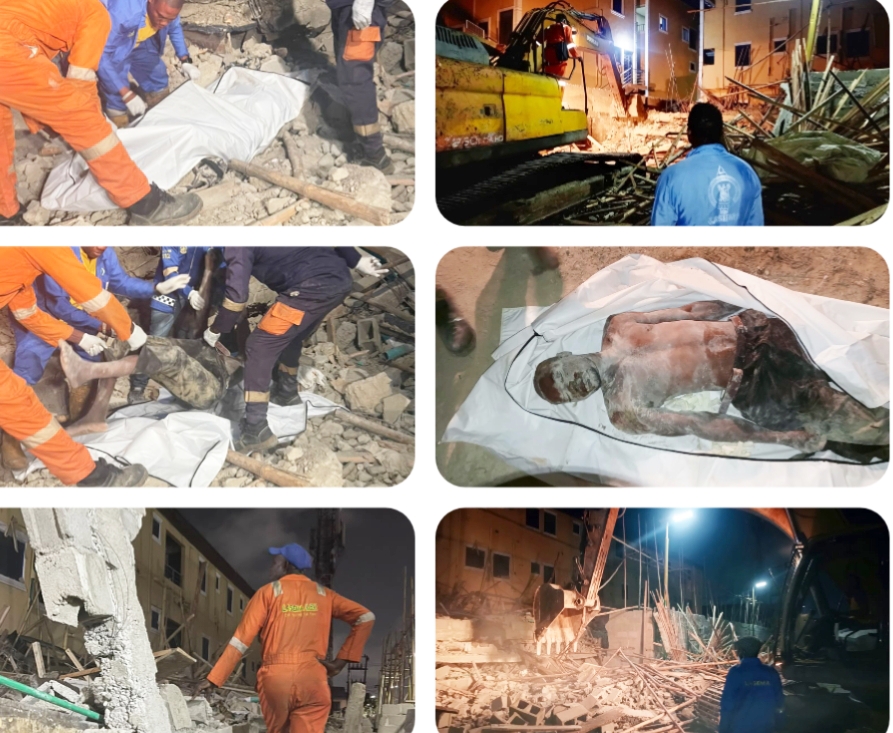
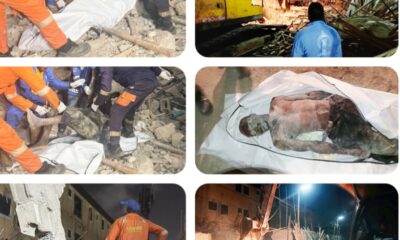
A two-storey building has collapsed in the Fadeyi area of Lagos, resulting in one fatality and the rescue of three people, emergency officials confirmed on Friday morning.
The incident occurred in the early hours, sending residents and nearby traders into panic as the structure suddenly gave way. Rescue teams from the Lagos State Emergency Management Agency (LASEMA) and other first responders quickly arrived at the scene and began extracting victims from the rubble.
According to preliminary reports, one person was confirmed dead at the site, while three others were pulled out alive and rushed to a nearby hospital for treatment. Their conditions have not yet been disclosed.
Security personnel have cordoned off the area to allow rescue operations to continue and to prevent further access by onlookers. Officials are still assessing whether any other persons remain trapped under the debris.
The cause of the collapse has not been established. Authorities have not ruled out structural failure, but investigations are ongoing.
Further updates are expected as the rescue operation progresses and more details become available from emergency services.
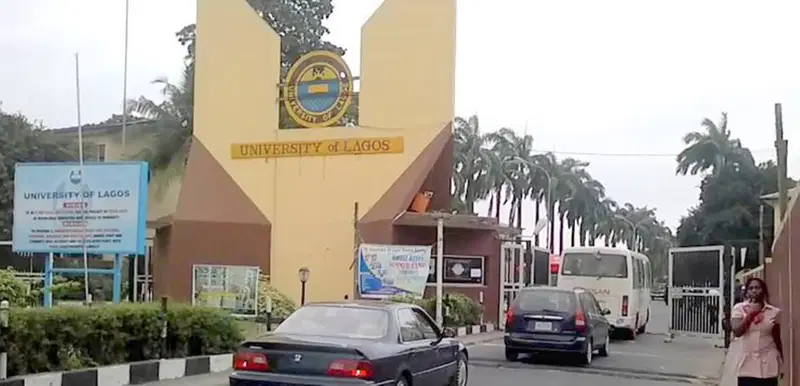
Teachers at the International School, University of Lagos (ISL), on Wednesday commenced a work-to-rule action over unpaid salary arrears, their removal from the university’s payroll, and delays in implementing a National Industrial Court judgment.
The staff are demanding the payment of outstanding Consolidated Tertiary Institutions Teaching Allowance (CONTTA) arrears, as well as arrears from the 25 per cent and 35 per cent salary adjustments approved in 2024. They also want full restoration to the university’s payroll.
Comrade Razak Yusuf, Chairman of the Senior Staff Association of Nigerian Universities (SSANU), University of Lagos branch, said the industrial action followed prolonged delays in resolving the teachers’ employment status and financial entitlements.
The teachers had approached the National Industrial Court of Nigeria, which ruled in their favour on May 11, 2026. Despite the judgment, they claim the university has yet to fully restore their names to the payroll or settle outstanding benefits.
Protesters carried placards with messages such as “Equal Work, Equal Rights,” “ISL tutors deserve their due,” and “Other UNILAG staff paid, ISL tutors still owed.” The action disrupted teaching and a scheduled mid-term examination at the school.
The teachers called on the university management to restore the affected staff to the payroll, settle all outstanding financial obligations, and provide a clear payment plan with timelines.
They rejected suggestions that any interim arrangement under the university’s Council protocol amounted to goodwill, insisting they were only seeking recognition of their employment rights.
The development continues a pattern of industrial disputes at the University of Lagos over salary and allowance issues.
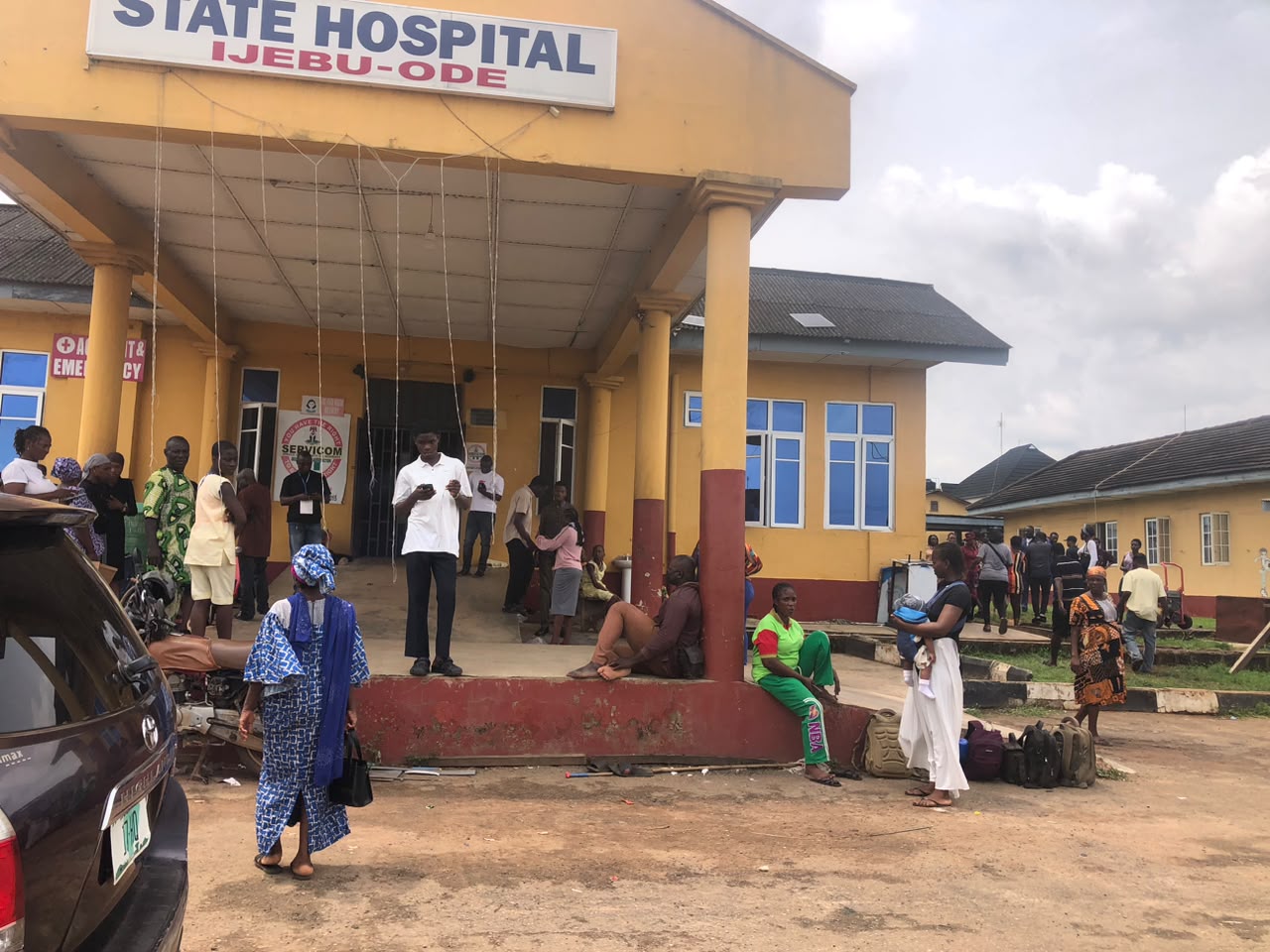
Hundreds of students were hospitalised on Wednesday morning after fresh gaseous emissions hit parts of Ogun State, including Ijebu-Ode, Ijebu-Igbo and Ago-Iwoye.
The incident affected pupils at Anglican Girls Grammar School, Obalende, Ijebu-Ode, and Ijebu-Igbo Girls Grammar School. Several schools in Ago-Iwoye suspended academic activities and sent students home as a precaution.
Kehinde Bello, General Manager of the Ogun State Environmental Protection Agency (OGEPA), visited the affected areas and linked the emissions to underground gas previously recorded in Ijebu-Ode since April 2026. He said the situation was under control and attributed the releases to natural geological and tectonic fault lines, ruling out sabotage or a gas pipeline leak.
Bello assured residents that the state government was working on a lasting solution. He advised anyone exposed to the odour to cover their noses and mouths with wet handkerchiefs.
The recurring emissions have renewed concerns about the safety of students and residents in the affected communities.


JUST IN: Four Pilots Die After Mid-Air Collision of Military Planes in Philippine

JUST IN: Another Nollywood Actor, Dies After Brief Illness

Ebola patient in Abuja showing signs of recovery – FG

BREAKING: Lagos Govt Declares Today, Thursday Work-Free to Mark 2026 Ìṣẹ̀ṣe Day

Tech Expert, Zuckerberg trains with UFC champions, Adesanya, Alexander

Organ Trafficking: Ekweremadu bags 10 years in UK prison
-

 Business2 days ago
Naira To Dollar, Pound, Euro… Today October 23
-

 Health3 days ago
UPDATE: Identity of Woman Who Flew into Nigeria with Ebola Virus Revealed
-

 Business2 days ago
Obasanjo Accuses Tinubu : “You Made Every Nigerian Poor By 300% Naira Devaluation”
-
 Entertainment2 days ago
JUST IN: Nollywood Veteran Francis Duru Dies at 57 After Brief Illness
-
 News2 days ago
JUST IN: 1 Dead, 3 Rescued in Fadeyi Building Collapse, Lagos
-
 Business2 days ago
History of Naira Revaluation and Devaluation (1973–2026) (Part 1)
-

 Business2 days ago
CBN Licences Abbey Bank to Start Full Commercial Banking in November 2026
-
 Politics1 day ago
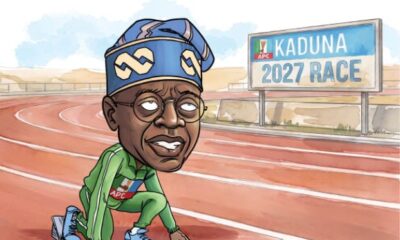
2027 presidential election: Tinubu’s Northern test begins today