
News
Customs Launch Digital Vehicle Verification Platform to Combat Smuggling

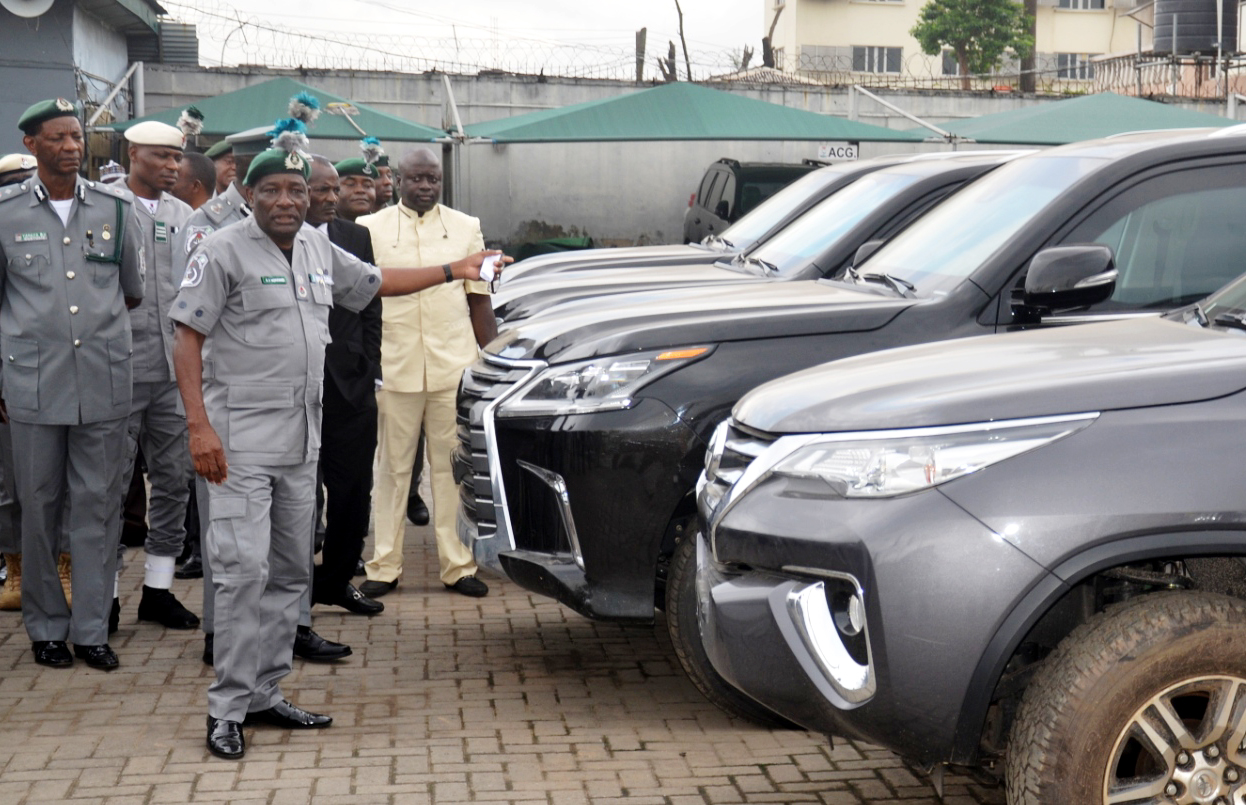
In a landmark step toward modernising its operations, the Nigeria Customs Service (NCS) on Monday officially launched the Customs Verification Management System (CVMS) — a new digital platform that allows Nigerians to verify the clearance and duty payment status of imported vehicles in real time.
The platform, unveiled at the Customs Headquarters in Abuja by Comptroller-General Adewale Adeniyi, is part of a broader reform initiative aimed at enhancing transparency, curbing smuggling, and improving service efficiency.
“This platform redefines how vehicle verification is conducted across Nigeria,” Adeniyi said. “For years, outdated systems left room for fraud, revenue leakage, and frustration. CVMS now introduces a simple, seamless, and secure way to verify a vehicle’s duty status — accessible from anywhere in the world.”
Developed Through Public-Private Partnership
The CVMS was developed in partnership with the Trade Modernisation Project (TMP) and Afripoint Consult, an indigenous tech firm, as part of the NCS’s digital transformation strategy. The platform, which has been in trial mode for two months, is now fully operational.
Users can verify vehicle clearance by entering the Vehicle Identification Number (VIN) and paying a ₦15,000 verification fee using any local or international debit or credit card.
“This is a homegrown solution to a long-standing problem,” Adeniyi said. “It empowers the public, importers, and dealers with verifiable data while eliminating manual bottlenecks and inconsistencies in our internal operations.”
Empowering Citizens, Supporting Enforcement
Adeniyi highlighted that the CVMS will democratise access to verified customs data, giving buyers and importers the confidence to transact with certainty and reducing fraud linked to fake customs papers.
“For the public, it brings transparency and ease of access. For our officers, it means smarter, faster, and more accountable customs operations,” he added.
He also noted that the platform supports the federal government’s broader digital agenda and will strengthen enforcement by providing officers with real-time data and analytics to detect anomalies and improve decision-making.
A Tool for Dealers and Law Enforcement
Ajibola Adetula, Managing Director of Afripoint Consult, described the CVMS as a “bifocal platform” serving both the public and customs officers.
“It allows users to confirm vehicle clearance instantly, while also helping enforcement agents verify documents, even outside working hours,” he said.
The platform is integrated with the NCS vehicle clearance database dating back to 2017, ensuring historical records are accessible and verifiable.
A Welcome Relief for Auto Dealers
Also present at the launch was Ajibola Adedoyin, Chairman of the Association of Motor Dealers of Nigeria, who called the system a long-overdue innovation.
“For years, we’ve asked for a reliable system to confirm clearance and reduce harassment of legitimate dealers. This gives us proof we can stand by when issues arise,” he said.
Part of a Broader Modernisation Drive
The CVMS is part of the Nigeria Customs Service’s 20-year Trade Modernisation Project, which seeks to improve trade facilitation, increase revenue, and reduce corruption in the customs process through automation and private sector collaboration.
It also comes amid growing concerns over fake customs documents and smuggled vehicles, which have led to revenue losses and frequent disputes between customs officers and dealers.
With CVMS, the NCS aims to close loopholes, restore public trust, and support the federal government’s goal of achieving a fully automated border and trade management system by 2030.
The launch marks another milestone in Customs’ journey towards digital transformation — ensuring transparency, efficiency, and accountability across Nigeria’s import and vehicle verification processes.

News
Police must pay transport fares, says AIG
” No police officer has the right to enter your vehicle without paying. We should assist one another willingly, not by force,” he said.

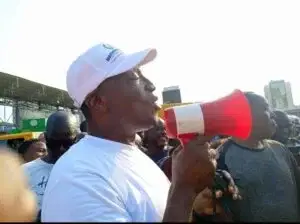
• The Assistant Inspector-General of Police(AIG) in charge of Zone 2 Command, Mr Olohundare Jimoh, speaking with transporters at Obalende garage, Lagos State, on Wednesday.
The Assistant Inspector-General of Police, Zone 2 Command, Mr Olohundare Jimoh, has declared that officers must pay fares before boarding commercial vehicles, warning against abuse of authority.
Jimoh spoke on Wednesday at Obalende garage during a sensitisation meeting with drivers and transport workers marking National Police Day 2026.
He stressed that relations between police and the public must be based on partnership, not coercion, urging both sides to support each other voluntarily.
“No police officer has the right to enter your vehicle without paying. We should assist one another willingly, not by force,” he said.
Jimoh called for stronger cooperation to maintain safety and order on roads, insisting there was no conflict between officers and transport unions.
“I don’t collect money from officers. We don’t arrest people arbitrarily. If you have issues with any officer, report directly to me,” he said.
(Vanguard)
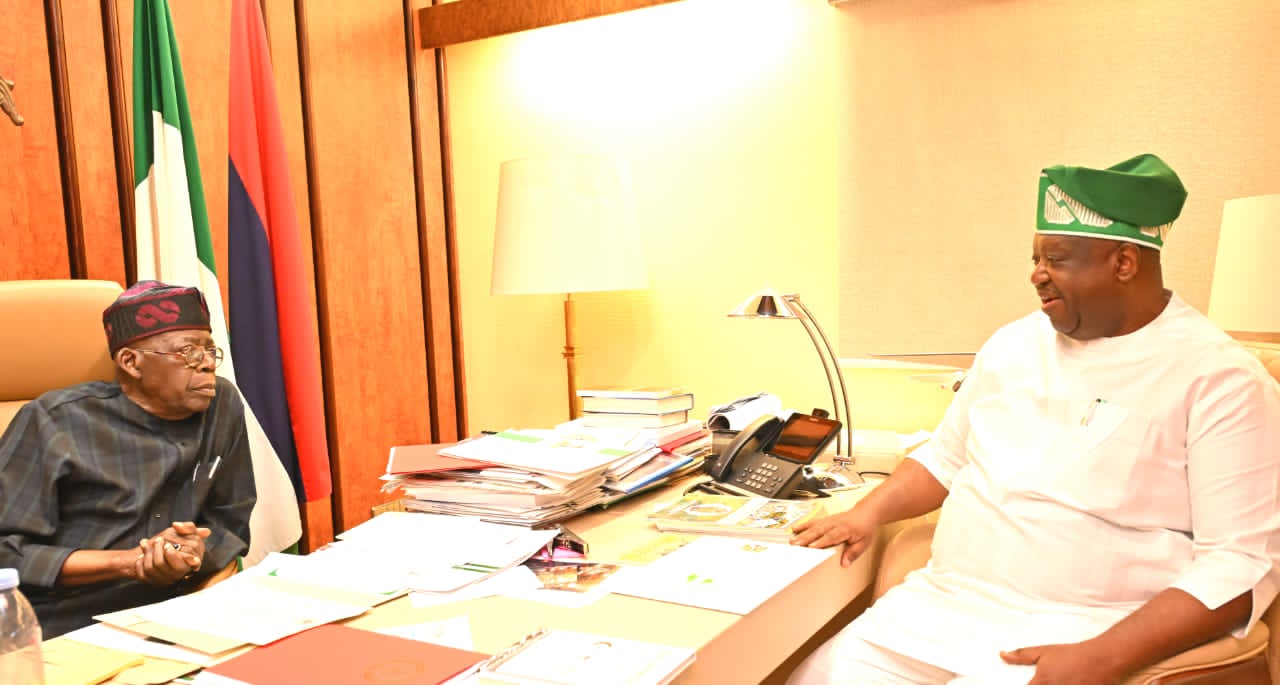
President Bola Ahmed Tinubu will leave for Jos tomorrow to commiserate with the state government and residents over recent deadly gun attacks that lefts dozens dead.
This was following Governor Caleb Mutfwang’s security briefing to the President on the recent violent attack in Angwan Rukuba, Plateau State.
During the meeting on Wednesday at the presidential villa in Abuja, Governor Caleb Mutfwang told Mr President that although security forces have restored calm after fresh disturbances involving looters on Wednesday morning, following the deadly Palm Sunday attack that left more than a dozen dead and many others injured.
He said that investigations are continuing to determine the identities or motives of the attackers who are yet to be apprehended .
Presidency source said that President Tinubu was initially scheduled for a planned trip to Ogun State to flag off operations at the Gateway International Cargo Airport on Thursday.
From Jos, the President will travel to Lagos to observe Good Friday.
On Saturday, April 4, he will visit Ogun State to commission projects including the cargo airport.
He will then return to Lagos during the Easter holiday to commission several state infrastructure projects, including the Ojota/Opebi Link Bridge.
Before heading back to Abuja, the president will visit Bayelsa State on April 10 to commission projects completed under Governor Duoye Diri.
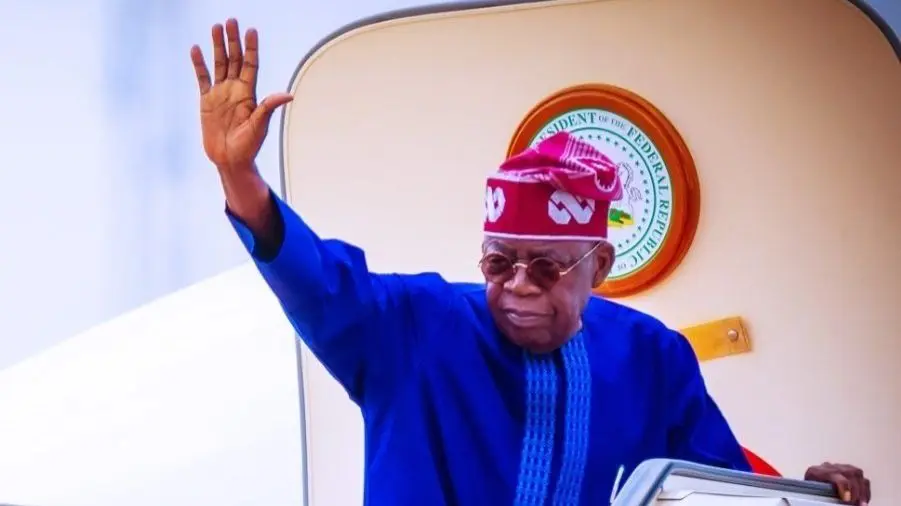
President Bola Ahmed Tinubu will tomorrow embark on a visit to Jos, Plateau State, as the first leg of a five-state tour across the country.
The Presidency announced that the President has postponed his scheduled trip to Ogun State to enable him to commence the series of official visits.
Details of the remaining four states in the tour are expected to be released by the Presidency in due course.
The development comes as President Tinubu continues nationwide engagements aimed at assessing development projects, interacting with stakeholders, and addressing key national issues in the respective states.
Further updates on the itinerary will be communicated as the visits progress.


Onyejeocha resigns as Minister of State for Labour

No force can defeat Tinubu in 2027 –Umahi

Labour Party to hold presidential primary April 28

Tech Expert, Zuckerberg trains with UFC champions, Adesanya, Alexander

Organ Trafficking: Ekweremadu bags 10 years in UK prison

SAINT OBI: Between his marriage and his death
-
 Business3 days ago
33 Nigerian Banks Beat CBN’s Recapialisation with ₦4.65trn Combined Capital Base
-

 Sports3 days ago
FirstBank Sponsors Samuel Okwaraji U-16 Football Championship 2026
-
 Politics2 days ago
BREAKING: INEC Withdraws Recognition of David Mark’s ADC
-
 News2 days ago
JUST IN: Tinubu Heads to Jos Tomorrow, Postpones Ogun Trip for 5-State Visits
-
 News3 days ago
Easter: FG declares Friday, Monday public holidays
-

 Entertainment3 days ago
Super Eagles Iwobi to launch music album ‘More To Life’
-

 Politics3 days ago
Arise News Anchor Ikokwu in Political Race for Reps Seat
-
 News3 days ago
Gas Leak in Ogun School: 30 Students, Teacher Hospitalised