
Business
Dana Air CEO Meets Minister of Aviation, Hints on Fresh Investment, New fleet of aircraft

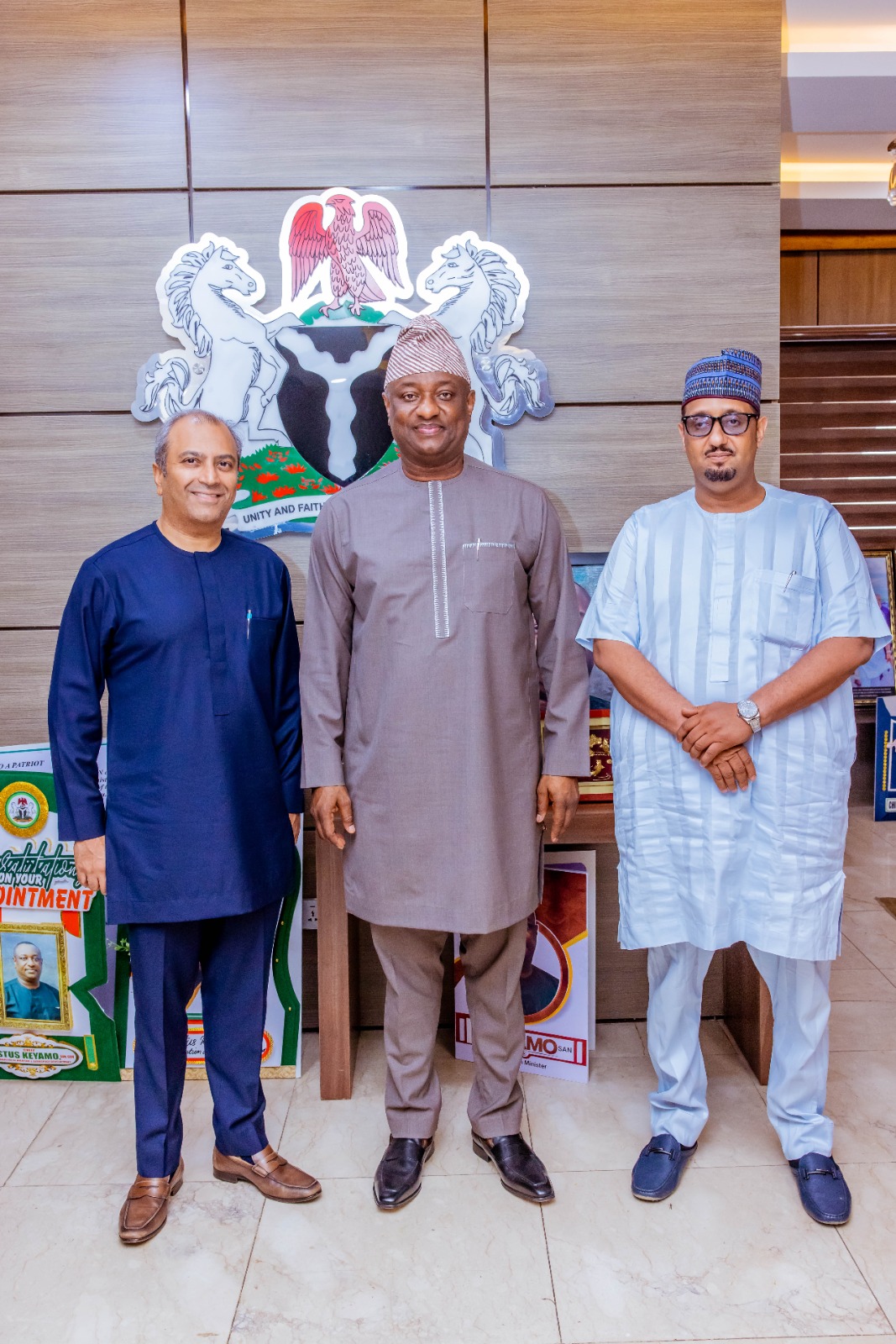
One of Nigeria’s leading airlines, has announced a significant step forward in its journey towards a vibrant resurgence in the aviation sector.
The CEO of Dana Air, Jacky Hathiramani disclosed this recently in Abuja during a crucial meeting with the Honorable Minister of Aviation and Aerospace Development Festus Keyamo.
According to the CEO, Dana Air has made significant progress in its commitment to revitalize its operations and the Board of the airline is currently in talks with a new investor who is also very eager to infuse fresh ideas, a different fleet of state-of the-art aircraft type and possibly new hires signaling a promising future for the airline and the industry as a whole.
”In line with its vision for growth, innovation and excellence, Dana Air is eagerly anticipating the arrival of brand new aircraft, which will not only enhance its operational efficiency but also elevate the overall passenger experience.
”These modern fleet of aircraft are set to redefine air travel standards, passengers comfort and safety and reinforce Dana Air’s position as a preferred choice for travelers across Nigeria
”We are thrilled about the exciting developments on the horizon for us at Dana Air and With the support and commitment of our new investor who is likely to have a major stake, we are poised for a remarkable comeback that will exceed expectations and set new benchmarks in the aviation industry.”
The CEO of Dana Air expressed sincere apologies to the airline’s loyal customers and valued partners for the temporary absence from the market and any inconveniences that may have been experienced. He However, he reassured them of Dana Air’s unwavering commitment to delivering safe, reliable, and customer-centric services upon return soon.”
Dana Air is one of Nigeria’s leading airlines, committed to providing safe, reliable, and customer-centric air transportation services. With a focus on innovation, efficiency, and excellence, Dana Air strives to exceed passenger expectations while contributing to the growth and development of Nigeria’s aviation industry.


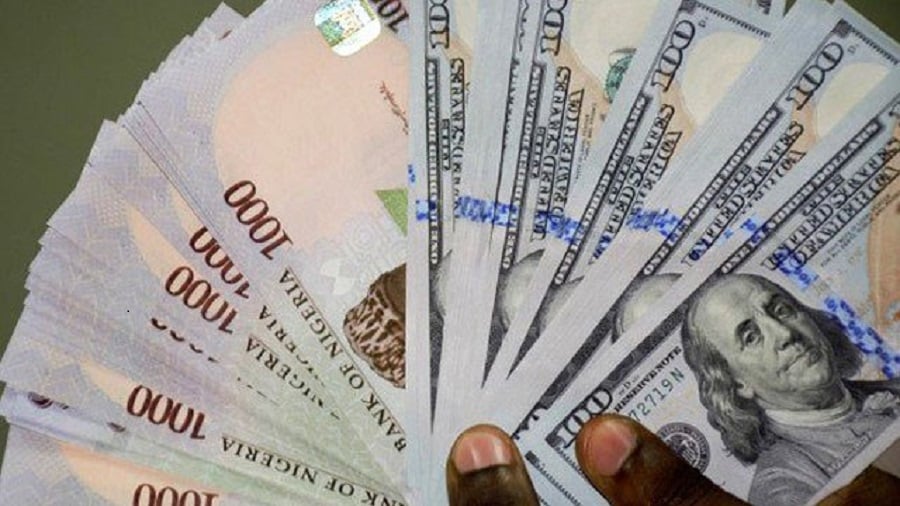
BLACK MARKET RATES
US DOLLAR (USD) Buy ₦1,422 Sell ₦1,428
GREAT BRITISH POUND (GBP) Buy ₦1,885 Sell: ₦1,910
EURO (EUR) Buy ₦1,590 Sell ₦1,610
CANADIAN DOLLAR (CAD) Buy ₦1,020 Sell ₦1,080
SOUTH AFRICAN RAND (ZAR) Buy ₦75 Sell ₦90
UAE DIRHAM Buy ₦350 Sell ₦370 CHINESE YUAN Buy ₦190 Sell ₦205
GHANA CEDI (GHS) Buy ₦95 Sell ₦110
WEST AFRICAN CFA Buy ₦2, 300 Sell ₦2, 400
CENTRAL AFRICAN CFA Buy ₦2,150 Sell 2,250
AUSTRALIAN DOLLAR Buy ₦800 Sell ₦900
Commercial Bank Exchange Rates
Fidelity Bank
Currency Sell
USD / NGN ₦1370.00
GBP / NGN ₦1869.7
8EUR / NGN ₦1604.54
Sterling Bank
Currency Buy Sell
USD / NGN ₦1350.00 ₦1370.00
GBP / NGN ₦1803.95 ₦1871.77
EUR / NGN ₦1537.93 ₦1601.81
ZAR / NGN ₦82.28 ₦86.99
Official CBN Exchange Rates
US DOLLAR (USD) ₦1,364.90
GREAT BRITISH POUND (GBP) ₦1,842.61
EURO (EUR) ₦1,575..50
SWISS FRANC (CHF) ₦1,684.02
JAPANESE YEN (JPN) ₦8.57
CHINESE YUAN (CNY) ₦202.34
WEST AFRICAN CFA (XOF) ₦2. 40
WEST AFRICAN UNIT ACCOUNT (WAUA) ₦1,858.53SAUDI RIYAL (SAR) ₦363..60
SOUTH AFRICAN RAND (ZAR) ₦84.31
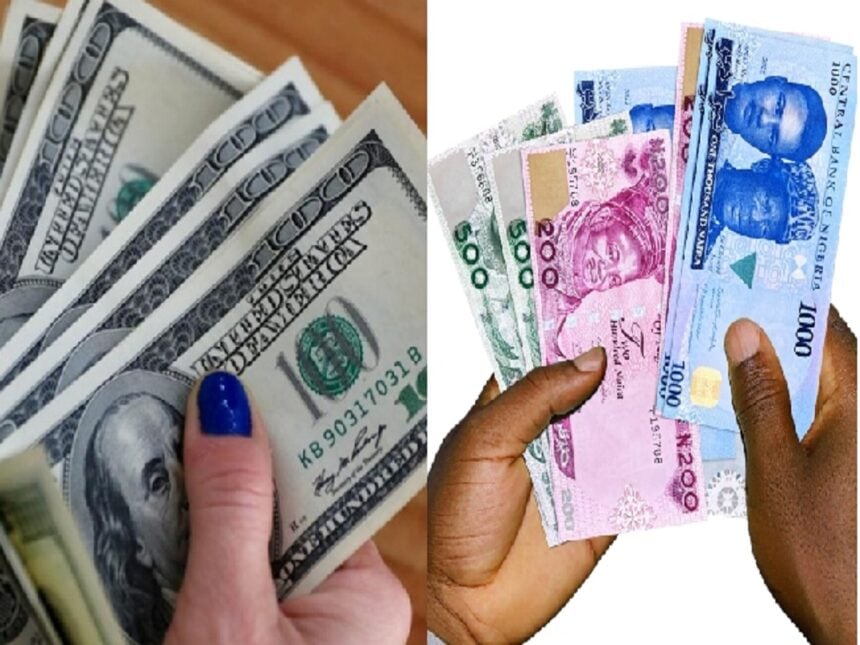
BLACK MARKET RATES
US Dollar (USD) Buy ₦1,423 Sell ₦1,428
Great British Pound (GBP) Buy ₦1,890 Sell: ₦1,910
EURO (EUR) Buy ₦1,600 Sell ₦1,620
Canadian Dollar (CAD) Buy ₦1,020 Sell ₦1,080
South African Rand (ZAR) Buy ₦75 Sell ₦90
UAE Dirham Buy ₦350 Sell ₦370
Chinese Yuan Buy ₦190 Sell ₦205
Ghana Cedi (GHS) Buy ₦95 Sell ₦110
West African CFA Buy ₦2, 300 Sell ₦2, 400
Central African CFA Buy ₦2,150 Sell 2,250
Australian Dollar Buy ₦800 Sell ₦900
Commercial Bank Exchange Rates
Fidelity Bank
Currency Sell
USD / NGN ₦1370.00
GBP / NGN ₦1869.78
EUR / NGN ₦1604.54
Sterling Bank
Currency Buy Sell
USD / NGN₦1350.00 ₦1370.00
GBP / NGN ₦1800.68 ₦1868.46
EUR / NGN ₦1539.16 ₦1603.07
ZAR / NGN ₦82.44 ₦87.16
Official CBN Exchange Rates
US Dollar (USD) ₦1,360. 14
Great British Pound (GBP) ₦1,838.50
EURO (EUR) ₦1,571. 10
Swiss Franc (CHF) ₦1,680.85
Japanese Yen (JPN) ₦8.56
Chinese Yuan (CNY) ₦201.61
West African CFA (XOF) ₦2. 40
West African Union Account (WAUA) ₦1,864.27
Saudi Riyal (SAR) ₦362.22
South African Rand (ZAR) ₦84.07
Business
NAICOM Revokes Nigeria Reinsurance’s Licence, Freezes Operations Over Capital Shortfall
Banire directed banks, financial institutions, policyholders and members of the public not to honour any instruction relating to the company except those issued by him or persons expressly authorised by him.

The National Insurance Commission (NAICOM) has revoked the operating licence of Nigeria Reinsurance Corporation for failing to meet the statutory Minimum Capital Requirement (MCR) and appointed Senior Advocate of Nigeria, Dr. Muiz Banire, SAN, as Receiver/Provisional Liquidator to wind up the company’s affairs.
The appointment took effect on August 3, 2026, following the cancellation of the company’s certificate of registration by the insurance regulator.
In a public notice dated August 4, 2026, Banire said NAICOM appointed him, in exercise of its statutory powers, to oversee the receivership and liquidation of Nigeria Reinsurance Corporation (RR-002).
In the notice, the company’s licence was revoked after it failed to comply with the prescribed Minimum Capital Requirement applicable to its category of licence within the stipulated compliance period, in accordance with the Nigerian Insurance Industry Reform Act (NIIRA) 2025 and other extant laws, regulations and guidelines.
Banire said his appointment authorises him to immediately trace, recover, secure and take possession of the company’s assets, collate and settle its liabilities in line with the NIIRA 2025, liaise with NAICOM on matters relating to the liquidation, and submit periodic reports to the Commission.
Banire directed banks, financial institutions, policyholders and members of the public not to honour any instruction relating to the company except those issued by him or persons expressly authorised by him.
Source: ThisDay


Obasanjo faults court determining election winner , at GJF Democracy Dialogue

Naira Exchange Rates Wednesday, August 12

Nigerian Law school student dies after falling from hostel rooftop

Tech Expert, Zuckerberg trains with UFC champions, Adesanya, Alexander

Organ Trafficking: Ekweremadu bags 10 years in UK prison

SAINT OBI: Between his marriage and his death
-
 News2 days ago
Tinubu Flags Off Eko, Marine Bridge Repairs
-

 Crime1 day ago
Governor Mbah Commends Security Forces Over Arrest Of Affa Church Kidnappers
-

 Crime2 days ago
Troops Rescue 33 Hostages in Zamfara (Photos)
-

 News2 days ago
147 Lagos Structures to Face Impact From Coastal Highway
-

 Crime2 days ago
Police Rescue 16 Kidnapped Victims in Kogi, Neutralise Armed Bandits (Video)
-
 International1 day ago
Trump cancels 175,000 visas for violations of public safety
-

 Business1 day ago
Naira Exchange Rates Tuesday, August 11
-

 Crime1 day ago
UK court jails Congolese for murder of Nigerian