
News
International Day of The Boy-Child: Sexual Abuse Against Boys is More Prevalent Than We Know


On this International Day of the Boy Child, it is important to draw attention to a pressing issue that warrants immediate action: sexual abuse against boys. Global statistics reveals that approximately 1 in 6 boys worldwide experience some form of sexual abuse before adulthood. Regrettably, these figures likely underestimate the true scope of the problem due to stigma, shame, and societal disbelief.
One of the most troubling aspects of this crisis is the neglect of sexual abuse against boys. Survivors frequently face scepticism and blame, with their experiences dismissed due to harmful misconceptions. The horrifying reality is that some believe if a boy experiences an erection during abuse, or actively participated in the act, somehow implies consent or enjoyment, perpetuating a culture of silence and shame, leaving survivors feeling isolated and invalidated.
It is important to emphasize that abuse perpetrated against boys below the age of consent constitutes rape, regardless of whether they actively participated in the act. The age of consent varies globally but typically ranges from 16 to 18 years old. Any sexual activity with a child below the age of consent is a violation of their rights and is a criminal offence.
The long-term effect of sexual abuse on boys are profound, extending beyond immediate trauma. Male survivors often suffer psychological and emotional challenges, including depression, anxiety, PTSD, and difficulties in forming healthy relationships. The impact of abuse can persist into adulthood, impacting self-esteem, ability to trust others, and overall well-being.
It is clear that urgent action is needed to address this crisis and safeguard the rights of the boy child. We must advocate for policies that prioritize the well-being of boys and establish social support centres that offer specialized services exclusive to male survivors of sexual abuse. These centers would provide a nurturing environment for boys to access the care and support needed for recovery.
It is critical to also acknowledge that women can abuse and rape boys. No survivor should be overlooked or dismissed based on the gender of their abuser and punishment for female perpetrators of abuse against boys must be enforced and taken seriously, just as it is for male perpetrators. All survivors deserve justice and support, regardless of the gender of their abuser. This equitable approach ensures that survivors are not further victimized by societal biases and that perpetrators are held accountable for their actions, irrespective of their gender.
We must challenge the harmful stereotypes and attitudes that perpetuate the stigma surrounding boy-child sexual abuse. Fellow men, in particular, have a responsibility to stand in solidarity with survivors and create a culture of empathy and support. It is time to put an end to the mockery and derision faced by boys and men who speak up about their experiences as survivors of sexual abuse.
Policy alone is not enough. Parents play a crucial role in protecting their sons from abuse by fostering open communication, teaching boundaries, and empowering them to speak up. We must also educate boys about consent, healthy relationships, and their right to bodily autonomy, empowering them to recognize and resist abuse.
We must confront the crisis of sexual abuse against boys head-on, dismantling barriers that prevent male survivors from seeking help and speaking out. By advocating for gender-specific support services and fostering a culture of empathy and understanding, we can create a world where all boys and men receive the assistance they need to heal and thrive.
In conclusion, achieving gender equality in access to support services for male survivors of sexual abuse is a fundamental human right. As we commemorate the International Day of the Boy Child, let us reaffirm our commitment to ensuring that all individuals, regardless of gender, receive the support and assistance they need to heal and thrive.
Halima Layeni
Founder & Executive Director
Life After Abuse Foundation
About Halima Layeni
Halima Layeni is an incandescent advocate for men’s mental health, leading the charge as the Founder and Executive Director of Life After Abuse Foundation. Through her leadership, Halima is reshaping the global discourse surrounding mental health equity and gender equality with a specific emphasis on advancing men’s mental health on a global scale.
News
Judiciary Staff Union Confirms Journalist General Secretary
The appointment marks a notable transition for Akwashiki, who spent more than 15 years reporting on organised labour, industrial relations, trade unions and workers’ issues before moving into union administration.

The Judiciary Staff Union of Nigeria (JUSUN) has confirmed veteran labour journalist, Comrade Moses John Akwashiki as its substantive General Secretary.
Akwashiki’s appointment was approved by the National Working Committee of the union and took effect from September 5, following his stint as Acting General Secretary.
The appointment marks a notable transition for Akwashiki, who spent more than 15 years reporting on organised labour, industrial relations, trade unions and workers’ issues before moving into union administration.
In a letter conveying the approval, JUSUN national president, Comrade Marwan Mustapha Adamu, congratulated Akwashiki, and urged him to discharge his responsibilities in accordance with the union’s Constitution and Code of Conduct.
The letter, titled “Confirmation of Appointment as Substantive General Secretary of Judiciary Staff Union of Nigeria”, stated that the National Working Committee had approved his appointment with effect from September 5.
• TRIBUNE
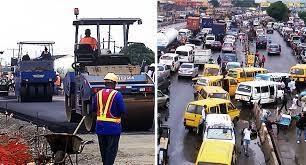
….as FG starts two-week Kara Bridge repairs tomorrow
Motorists face severe traffic disruptions on the Lagos-Ibadan Expressway starting Tuesday as the Federal Government begins a two-week repair of the Kara Bridge.
The Federal Ministry of Works has scheduled the rehabilitation works to commence tomorrow, with the project expected to last 14 days. The repairs aim to address structural issues on the critical bridge, a major link for commuters and heavy-duty vehicles between Lagos and Ogun states.

Authorities have advised road users to explore alternative routes or adjust travel times to avoid prolonged delays during the construction period. Traffic management measures are expected to be put in place, though details on lane closures or diversions have yet to be fully released.
News
FG announces two-week traffic delays on Kara–Berger Bridge for repairs
The TRACE Acting Commander, Mr A. Ojerinde, stated that a multi-agency operation including TRACE, the Federal Road Safety Corps, FRSC, Lagos State Traffic Management Authority, LASTMA, and the Nigeria Police Force will be deployed along the corridor to enforce traffic control.

THE Federal Government has alerts motorists and commuters on the Lagos–Ibadan Expressway of possible travel delays, starting Tuesday September 8 for two weeks repair works on the Kara–Berger Bridge
The project, earlier slated to commence in August 2026, was suspended for traffic review following public outcry over short notice and the need for effective traffic management.
The two-week rehabilitation project, directed by the Minister of Works, Senator David Umahi, involves the replacement of deteriorating expansion joints to improve road safety, structural integrity, and long-term traffic flow on the busy corridor.
The project is expected to run through September 22, 2026.
The Ogun State Traffic Compliance and Enforcement Agency, TRACE, alongside the Federal Ministry of Works and key stakeholders, in a statement, warned motorists to prepare for lane restrictions, particularly during peak commuting hours.
The TRACE Acting Commander, Mr A. Ojerinde, stated that a multi-agency operation including TRACE, the Federal Road Safety Corps, FRSC, Lagos State Traffic Management Authority, LASTMA, and the Nigeria Police Force will be deployed along the corridor to enforce traffic control.
Ojerinde, who urged road users to plan ahead, said “Leave earlier than usual to accommodate expected travel delays.


Judiciary Staff Union Confirms Journalist General Secretary

Five killed as Amazon cargo plane crashes at Miami airport

After South Africa, Kenya Cracks Down on Foreign Traders, Retailers

Tech Expert, Zuckerberg trains with UFC champions, Adesanya, Alexander

Organ Trafficking: Ekweremadu bags 10 years in UK prison

SAINT OBI: Between his marriage and his death
-

 News3 days ago
Arise TV Deputy Head of News Ohi Odiai and Wife Celebrate 17th Wedding Anniversary
-

 International3 days ago
Trump sends envoys to Russia, Ukraine with new peace plan
-

 News3 days ago
MKO Abiola’s Documentary to hit Cinemas in October
-

 Politics21 hours ago
Obidient Connect Texas Plans Grand Rally for Obi-kwakwanso October 10
-

 Business20 hours ago
Dangote Refinery Signs IPO Document Today
-

 Business3 hours ago
NAFDAC Goes After Chinese Logistics Firms Over Products Counterfeiting
-
 News3 days ago
BREAKING: JAMB releases underage UTME results, clarifies admission conditions
-
 News21 hours ago
FG announces two-week traffic delays on Kara–Berger Bridge for repairs