
News
NUC issues new rules on honorary doctorates
The guidelines limit honorary awards to a maximum of three recipients per convocation and require that the degrees carry the designation “Honoris Causa,” such as Doctor of Science (D.Sc. h.c.) or Doctor of Law (LL.D. h.c.).

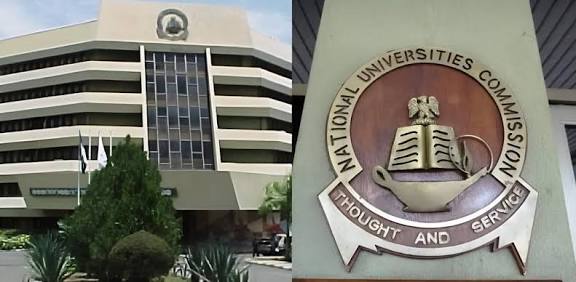
The National Universities Commission (NUC) on Thursday, released fresh guidelines regulating the award and use of honorary doctorate degrees in Nigeria.
Honorary doctorate degrees are non-earned distinctions granted honoris causa to recognise distinguished merit, public service, scholarly impact, creative achievement or other significant contributions aligned with the values of the awarding institution.
In a public notice shared on its official X page, the Commission found widespread misuse of honorary degrees, with 32 entities among 61 institutions and professional bodies identified as operating as honorary degree mills — including unaccredited foreign universities, unlicensed local institutions and organisations without degree-awarding powers. Some were also found issuing fake professorships.
Consequently, the Executive Secretary of the Commission, Abdullahi Yusufu Ribadu, said that the new guidelines were developed in line with established academic traditions and resolutions of the Association of Vice-Chancellors of Nigerian Universities, including the Keffi Declaration of 2012, alongside inputs from universities submitted in December 2025.
NUC said that the new rules are designed to standardise the conferment process, protect academic integrity and safeguard the credibility and global reputation of Nigeria’s university system. Universities and other degree-awarding institutions were directed to strictly comply, with sanctions promised for violations.
Under the new rules, only approved universities that have graduated their first set of PhD students are eligible to award honorary doctorates. The purpose, criteria and selection procedures must be clearly defined and publicly accessible, while nominations must pass through statutory committees and receive approval from both the University Senate and Governing Council.
The guidelines limit honorary awards to a maximum of three recipients per convocation and require that the degrees carry the designation “Honoris Causa,” such as Doctor of Science (D.Sc. h.c.) or Doctor of Law (LL.D. h.c.).
Awards must be conferred in person, except in exceptional circumstances where they may be given virtually, in absentia or posthumously.
The Commission stressed that honorary doctorates must be granted free of charge and recipients must not present the honour as an earned academic qualification.
NUC specifically warned that recipients cannot use the “Dr.” — which is reserved for holders of earned doctoral or medical degrees — nor use the award to supervise research, practise as scholars or manage academic units.
Universities are also required to provide recipients with orientation on the proper use of the honour, publish lists of awardees on their websites to promote transparency and establish clear mechanisms for revoking awards if recipients are convicted of fraud or engage in unethical conduct.
The NUC said all eligible universities must comply strictly with the framework, reiterating that regulatory sanctions will apply to institutions that confer honorary doctorates in breach of the new guidelines.

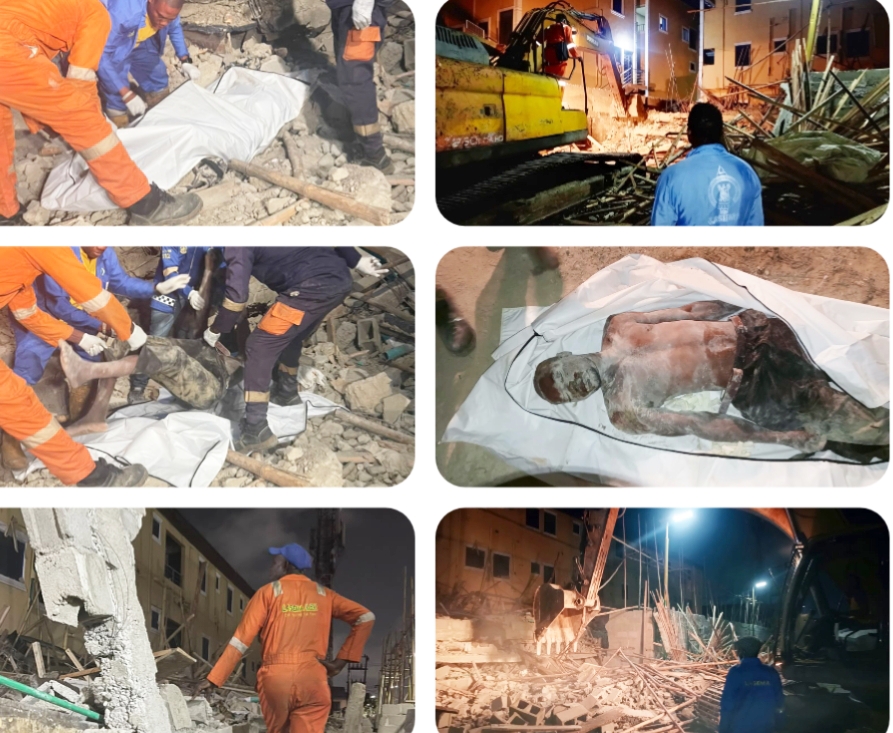
A two-storey building has collapsed in the Fadeyi area of Lagos, resulting in one fatality and the rescue of three people, emergency officials confirmed on Friday morning.
The incident occurred in the early hours, sending residents and nearby traders into panic as the structure suddenly gave way. Rescue teams from the Lagos State Emergency Management Agency (LASEMA) and other first responders quickly arrived at the scene and began extracting victims from the rubble.
According to preliminary reports, one person was confirmed dead at the site, while three others were pulled out alive and rushed to a nearby hospital for treatment. Their conditions have not yet been disclosed.
Security personnel have cordoned off the area to allow rescue operations to continue and to prevent further access by onlookers. Officials are still assessing whether any other persons remain trapped under the debris.
The cause of the collapse has not been established. Authorities have not ruled out structural failure, but investigations are ongoing.
Further updates are expected as the rescue operation progresses and more details become available from emergency services.
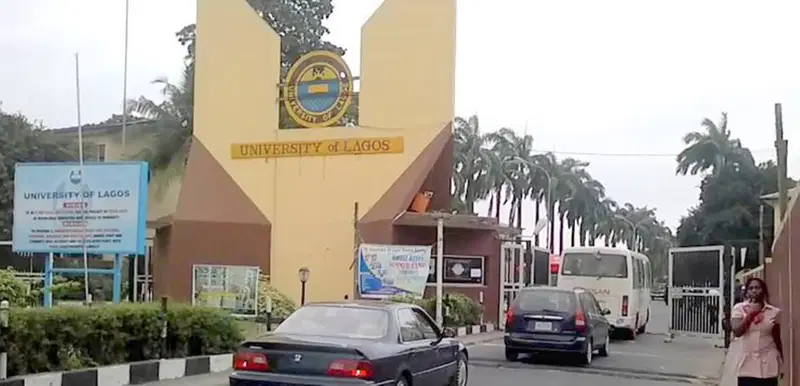
Teachers at the International School, University of Lagos (ISL), on Wednesday commenced a work-to-rule action over unpaid salary arrears, their removal from the university’s payroll, and delays in implementing a National Industrial Court judgment.
The staff are demanding the payment of outstanding Consolidated Tertiary Institutions Teaching Allowance (CONTTA) arrears, as well as arrears from the 25 per cent and 35 per cent salary adjustments approved in 2024. They also want full restoration to the university’s payroll.
Comrade Razak Yusuf, Chairman of the Senior Staff Association of Nigerian Universities (SSANU), University of Lagos branch, said the industrial action followed prolonged delays in resolving the teachers’ employment status and financial entitlements.
The teachers had approached the National Industrial Court of Nigeria, which ruled in their favour on May 11, 2026. Despite the judgment, they claim the university has yet to fully restore their names to the payroll or settle outstanding benefits.
Protesters carried placards with messages such as “Equal Work, Equal Rights,” “ISL tutors deserve their due,” and “Other UNILAG staff paid, ISL tutors still owed.” The action disrupted teaching and a scheduled mid-term examination at the school.
The teachers called on the university management to restore the affected staff to the payroll, settle all outstanding financial obligations, and provide a clear payment plan with timelines.
They rejected suggestions that any interim arrangement under the university’s Council protocol amounted to goodwill, insisting they were only seeking recognition of their employment rights.
The development continues a pattern of industrial disputes at the University of Lagos over salary and allowance issues.
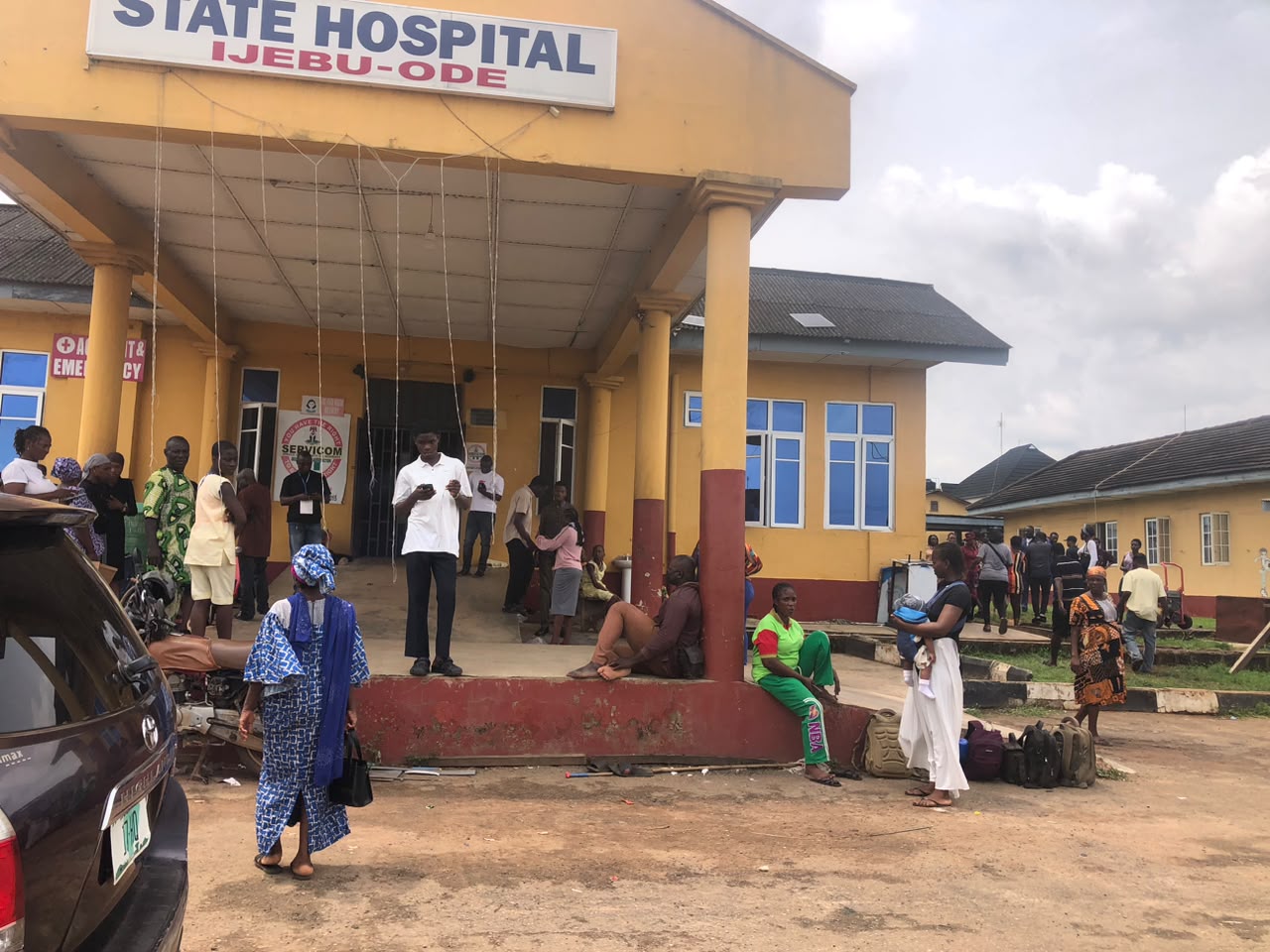
Hundreds of students were hospitalised on Wednesday morning after fresh gaseous emissions hit parts of Ogun State, including Ijebu-Ode, Ijebu-Igbo and Ago-Iwoye.
The incident affected pupils at Anglican Girls Grammar School, Obalende, Ijebu-Ode, and Ijebu-Igbo Girls Grammar School. Several schools in Ago-Iwoye suspended academic activities and sent students home as a precaution.
Kehinde Bello, General Manager of the Ogun State Environmental Protection Agency (OGEPA), visited the affected areas and linked the emissions to underground gas previously recorded in Ijebu-Ode since April 2026. He said the situation was under control and attributed the releases to natural geological and tectonic fault lines, ruling out sabotage or a gas pipeline leak.
Bello assured residents that the state government was working on a lasting solution. He advised anyone exposed to the odour to cover their noses and mouths with wet handkerchiefs.
The recurring emissions have renewed concerns about the safety of students and residents in the affected communities.


History of Naira Revaluation and Devaluation (1973–2026) (Part 1)

JUST IN: 1 Dead, 3 Rescued in Fadeyi Building Collapse, Lagos

Obasanjo Accuses Tinubu : “You Made Every Nigerian Poor By 300% Naira Devaluation”

BREAKING: Lagos Govt Declares Today, Thursday Work-Free to Mark 2026 Ìṣẹ̀ṣe Day

Tech Expert, Zuckerberg trains with UFC champions, Adesanya, Alexander

Organ Trafficking: Ekweremadu bags 10 years in UK prison
-
 Business3 days ago
Currency Words You Should Know
-

 Business21 hours ago
Naira To Dollar, Pound, Euro… Today October 23
-

 Business3 days ago
Naira Exchange Rates Wednesday, October 21, 2026
-

 Business3 days ago
NCC, CBN To Warn Companies By Flagging Fraudulent Phone Numbers
-
 Business3 days ago
JPMorgan Eyeing Entry Into Nigeria’s Banking Industry
-

 Business3 days ago
RMRDC Taking 2027 Africa Raw Materials Summit To Kenya
-
 Health3 days ago
Ebola In Nigeria: Symptoms, Spread and How To Protect Yourself
-
 Health2 days ago
Ebola Outbreak: Don’t Panic, FG Assures Nigerians