
Business
DStv Subscription: Court dismisses MultiChoice suit against FCCPC


The Federal High Court in Abuja has dismissed a suit filed by MultiChoice Nigeria, the parent company of DStv and GOtv, challenging the Federal Competition and Consumer Protection Commission’s (FCCPC) intervention following a recent hike in subscription cost.
In the judgment, Justice James Omotoso ruled that the suit constituted an abuse of court process as similar proceedings were already pending elsewhere.
The judge stressed that MultiChoice should have pursued its arguments in that court. He said if that was done it would have rendered the suit at the Federal High Court procedurally inappropriate.
Justice Omotoso noted that while the Commission has investigative powers under its establishing Act, it, however, lacks the authority to fix or suspend prices unless as delegated by the President through a gazetted instrument. No such delegation was presented to the court.
“The power to fix prices is exclusively that of the President. Any decision taken without such delegation is a nullity,” the judge stated.
He added that because Nigeria operates a free market system, service providers like MultiChoice have the right to set their prices, with consumers free to accept or reject them.
The judge further ruled that FCCPC’s actions, including directing MultiChoice to suspend its price increase, is in breach of the company’s right to fair hearing and appeared selectively targeted.
He dismissed the FCCPC’s claim that MultiChoice held a dominant market position, calling the argument untenable.
“The use of services like those provided by the plaintiff is discretionary and not essential. Nigeria can do without it,” Justice Omotosho added.
The judge thereby warned that attempts to fix prices by regulatory bodies could scare off potential investors and harm the economy.
The court held that while the FCCPC may investigate market practices, it cannot impose price controls without proper legal backing.
MultiChoice had increased subscription rates by up to 25% on March 1, 2025, citing inflation and the attendant rose in operational cost.
Following public outcry, the FCCPC opposed the move, calling for regulatory review and threatening sanctions, prompting the lawsuit.









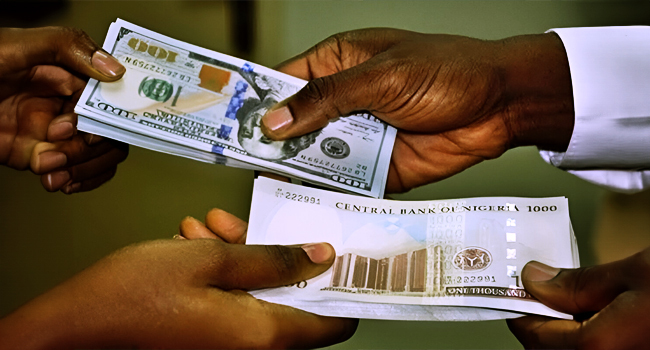
BLACK MARKET RATES
US DOLLAR (USD) Buy ₦1, 397 Sell ₦1,405
GREAT BRITISH POUND (GBP) Buy ₦1,850 Sell: ₦1,865
EURO (EUR) Buy ₦1, 580 Sell ₦1,600
CANADIAN DOLLAR (CAD) Buy ₦1,030 Sell ₦1,100
SOUTH AFRICAN RAND (ZAR) Buy ₦75 Sell ₦90
UAE DIRHAM Buy ₦350 Sell ₦370
CHINESE YUAN Buy ₦180 Sell ₦200
GHANA CEDI (GHS) Buy ₦95 Sell ₦110
WEST AFRICAN CFA Buy ₦2, 380 Sell ₦2, 460
CENTRAL AFRICAN CFA Buy ₦2, 220 Sell 2,300
AUSTRALIAN DOLLAR Buy ₦800 Sell ₦900
CBN OFFICIAL EXCHANGE RATES
US DOLLAR (USD) ₦1,370.15
GREAT BRITISH POUND (GBP) ₦1,832.17
EURO (EUR) ₦1,568.28
SWISS FRANC (CHF) ₦1,1705.44
JAPANESE YEN (JPN) ₦8. 51
CHINESE YUAN (CNY) ₦201. 80
WEST AFRICAN CFA (XOF) ₦2.38
WEST AFRICAN UNIT ACCOUNT (WAUA) ₦1,859. 98
SAUDI RIYAL (SAR) ₦364.91
SOUTH AFRICAN RAND (ZAR) ₦84. 32
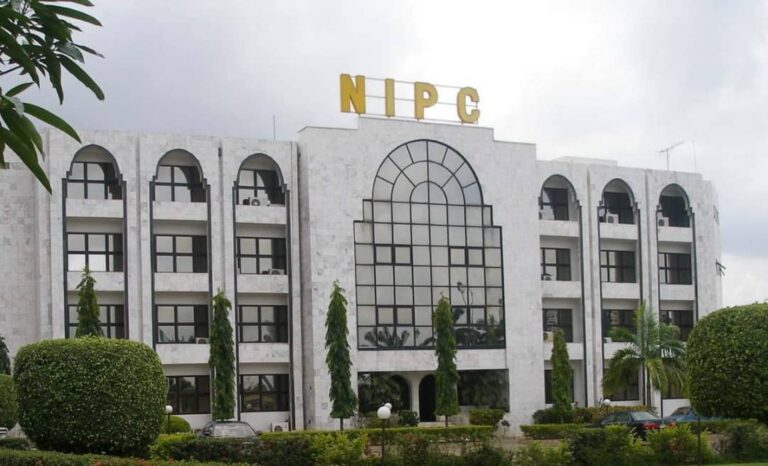
The Presidency says the bodies allegedly used by Adeyemi—including the so-called Presidential Economic Advisory Council, Presidential Foreign Investment Promotion Council, and Presidential Foreign Intervention Promotion Council—do not exist as government agencies.
The Presidency says a man identified as Prince Adeniyi Adeyemi Matthew allegedly created and operated fake government agencies, forged appointment letters, and falsely claimed to have been appointed by Femi Gbajabiamila.
According to the statement:
The Office of the Chief of Staff discovered the alleged scheme after complaints from the Nigerian Investment Promotion Commission (NIPC) that an unauthorized body was operating in a way that conflicted with its functions.
The Chief of Staff petitioned the Department of State Services and the Nigeria Police Force in October 2025 to investigate alleged forged appointment letters.
The Presidency says the bodies allegedly used by Adeyemi—including the so-called Presidential Economic Advisory Council, Presidential Foreign Investment Promotion Council, and Presidential Foreign Intervention Promotion Council—do not exist as government agencies.
Investigators allege Adeyemi operated from an office in the Federal Secretariat Complex, held meetings with diplomats, and sought diplomatic support to obtain U.S. visas for members of the alleged organization.
Police reportedly recovered forged documents and other exhibits during searches of his office and residence.
The investigation allegedly found that Adeyemi operated 34 bank accounts, including several in the names of fictitious organizations, and used forged documents to open a Central Bank of Nigeria account.
The Presidency says no government funds were paid into that account.
Police charged Adeyemi and two others before the Federal High Court on multiple counts, including forgery, impersonation, and obtaining by false pretence. The case is scheduled for hearing on July 27.
The Presidency also denied claims that Gbajabiamila appointed Adeyemi, stating that appointments to federal offices are issued through the Office of the Secretary to the Government of the Federation, not the Office of the Chief of Staff.
Current status
The Presidency maintains that:
the agencies in question are fictitious,
the appointment letter was forged,
Adeyemi is an impostor,
and the allegations against him should be resolved by the court.
As the case is pending before the court, the allegations remain subject to judicial determination.
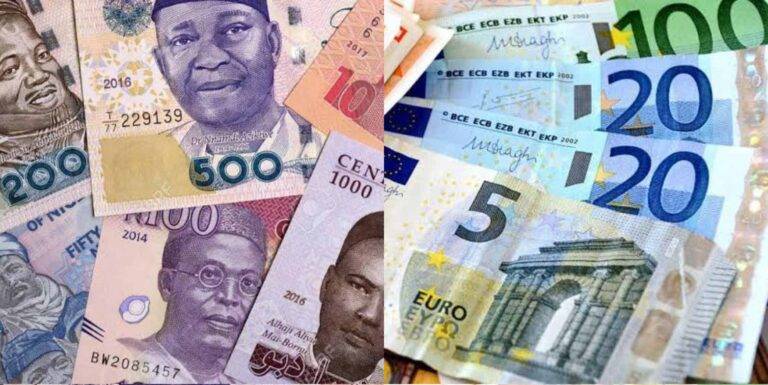
BLACK MARKET RATES
US DOLLAR (USD) Buy ₦1, 395 Sell ₦1, 403
GREAT BRITISH POUND (GBP) Buy ₦1,845 Sell: ₦1,865
EURO (EUR) Buy ₦1, 585 Sell ₦1,600
CANADIAN DOLLAR (CAD) Buy ₦1,030 Sell ₦1,100
SOUTH AFRICAN RAND (ZAR) Buy ₦75 Sell ₦90
UAE DIRHAM Buy ₦350 Sell ₦370CHINESE YUAN Buy ₦180 Sell ₦200
GHANA CEDI (GHS) Buy ₦95 Sell ₦110
WEST AFRICAN CFA Buy ₦2, 380 Sell ₦2, 460
CENTRAL AFRICAN CFA Buy ₦2, 220 Sell 2,300
AUSTRALIAN DOLLAR Buy ₦800 Sell ₦900
CBN OFFICIAL EXCHANGE RATES
US DOLLAR (USD) ₦1,372.41
GREAT BRITISH POUND (GBP) ₦1,821.73
EURO (EUR) ₦1,565.37
SWISS FRANC (CHF) ₦1,695.42
JAPANESE YEN (JPN) ₦8.45
CHINESE YUAN (CNY) ₦201.98
WEST AFRICAN CFA (XOF) ₦2.40
WEST AFRICAN UNITACCOUNT (WAUA) ₦1,870. 31
SAUDI RIYAL (SAR) ₦365.45
SOUTH AFRICAN RAND (ZAR) ₦83.80


A Review of Akwa Ibom State Government’s July Delivery Meeting

Explosion rocks Apapa tank farm; NPA, NIMASA move to curtail spread

FG slams 8-count charges on Adeyemi over fake agency ” I’m not a criminal”, he defends

Tech Expert, Zuckerberg trains with UFC champions, Adesanya, Alexander

Organ Trafficking: Ekweremadu bags 10 years in UK prison

SAINT OBI: Between his marriage and his death
-
 Business3 days ago
BOI names Kuramo Capital Fund Manager for $170.6m iDICE
-

 News3 days ago
Nigeria’s data centers worth $2bn
-
 Sports3 days ago
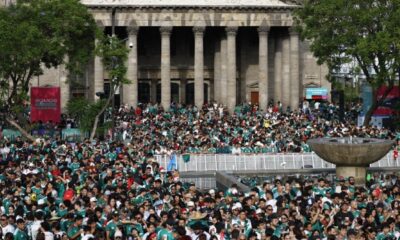
Two Dead In World Cup Celebrations In Mexico City
-
 Business3 days ago
DisCos earn N801bn in four months despite persistent blackouts
-

 Business3 days ago
FG Moves to Sheild Pig Industry from Deadly Swine Fever
-

 News3 days ago
Tinubu to Send Off Team Nigeria to 2026 Commonwealth Games Thursday
-
 News3 days ago
Benue to establish 13 digital learning centres
-

 International3 days ago
South Africa Anti-Immigration Peaceful Protests To Continue Weekly Till Demands Are Met