
Politics
Tinubu Breaks fast with Fubara, Wike, other Governors, Ministers…
Breaking of fast with governors, Ministers, heads of MDAs and Security Chiefs is part of the annual rituals of the President.

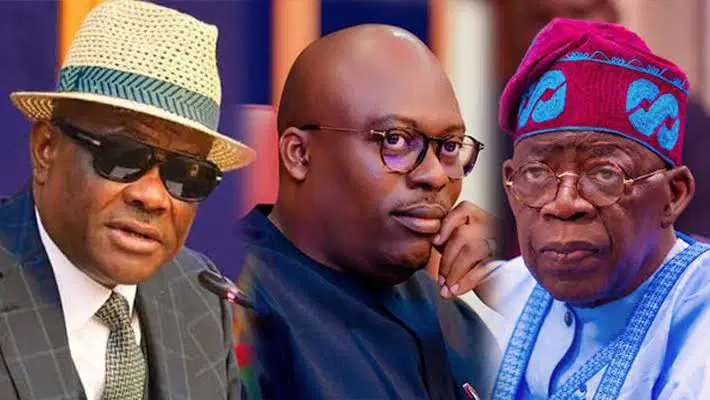
President BolaTinubu is currently breaking fast with the Rivers State governor, Sim Fubara, his estranged godfather and Minister of the Federal Capital Territory, FCT, Nyesom Wike, other governors, Ministers and heads of ministries, departments and agencies at the presidential Villa, Abuja.
Breaking of fast with governors, Ministers, heads of MDAs and Security Chiefs is part of the annual rituals of the President.
Also present at the Iftar dinner are Vice President Kashim Shettima, the Chief of Staff to the President, Rt. Hon. Femi Gbajabiamila and Minister and cabinet members.
Among the state governors in attendance are Dr. Alex Otti of Abia State, Pastor Umo Eno of Akwa Ibom, Bala Mohammed of Bauchi, Hyacinth Alia of Benue , Babagana Zulum of Borno, Sheriff Oborevwori of Delta,
Monday Okpebholo of Edo, Muhammad Yahaya of Gombe, Umar Namadi of Jigawa and Uba Sani of Kaduna, Others are Abba Kabir Yusuf of Kano, Nasir Idris of Kebbi, AbdulRahman AbdulRazaq of Kwara, Abdullahi Sule of Nasarawa,
Mohammed Bago of Niger, Dapo Abiodun of Ogun, Lucky Aiyedatiwa of Ondo, Duoye Diri of Bayelsa, and Francis Nwifuru of Ebonyi State.
Also in attendance were heads of key government agencies: the Chairman of the National Hajj Commission of Nigeria, Professor Abdullahi Mukhtar Muhammad, the Acting Controller General of the Nigerian Correctional Service, Sylvester Ndidi Nwakuche, the Comptroller General of the Federal Fire Service, Jaji Abdulganiyu, and the Comptroller General of the Nigeria Customs Service, Bashir Adeniyi.
The Group Chief Executive Officer of the Nigerian National Petroleum Company Limited, NNPCL, Abba Kyari and the Chief Executive Officer of the Nigerian Midstream and Downstream Petroleum Regulatory Authority, Farouk Ahmed.
Credit: Vanguard

Politics
2027: Atiku Alleged Plot To Keep ADC Off Ballot
” We therefore call on all Nigerians—not just ADC members and supporters—to rise in defense of democracy and reject any attempt by the ruling party to cherry-pick which opposition parties are permitted to participate in the next general election.”


Former Vice President and presidential candidate of the African Democratic Congress (ADC), Atiku Abubakar, alleged a plot by the Presidency, the Independent National Electoral Commission (INEC), and elements within the judiciary to remove the ADC from the ballot ahead of the 2027 general election.
The allegation was contained in a statement signed by Atiku’s Senior Special Assistant on Public Communication, Phrank Shaibu, and released on Monday.
In the statement, Atiku disclosed that he had received credible information indicating that renewed efforts may be underway to use political and legal machinations to keep the ADC off the ballot in 2027 general election.
He said there was a coordinated onslaught by anti-democratic elements within the ruling party aimed at ensuring that the ADC is excluded from next year’s ballot.
“We are fully aware of their plots. While they seek to sow confusion within the opposition, we know their real target is the ADC because it represents the most credible alternative.
“We therefore call on all Nigerians—not just ADC members and supporters—to rise in defense of democracy and reject any attempt by the ruling party to cherry-pick which opposition parties are permitted to participate in the next general election.”

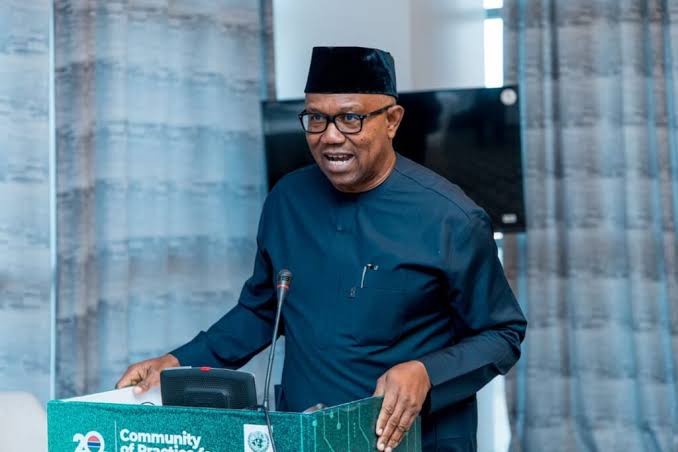
Peter Obi, the 2027 presidential candidate of the Nigeria Democratic Congress (NDC), has dismissed the Kogi State High Court ruling in Lokoja ordering the deregistration of the party, describing it as a “bizarre temporary breakdown” that will not derail the party’s mission.
In a swift reaction on Friday, Obi expressed strong optimism that the party’s journey remains on course, insisting that while there may be detours, the final destination is non-negotiable.
A statement issued by the Spokesperson of Peter Obi Media Reach (POMR), Idris Zekeri Jnr, quoted Obi as urging NDC members and supporters not to be discouraged but to remain calm and focused.
The statement described the court ruling as “a hurdle, not a stop sign,” adding that the party’s legal team is thoroughly reviewing the judgment with plans to initiate immediate corrective and appellate measures.
“We always knew that the journey to dismantle a deeply entrenched and grossly underperforming political status quo would be met with fierce institutional resistance and unexpected legal detours,” the statement noted.
Obi called on all supporters, coalition partners, and patriots nationwide to “remain absolutely calm and focused,” reaffirming the party’s commitment to building a transparent, legitimate, and formidable political alternative for Nigerians.
Vows Unstoppable March to New Nigeria
Peter Obi Media Reach (POMR) has reacted strongly to a High Court ruling in Lokoja, Kogi State, concerning the legal status of the Nigeria Democratic Congress (NDC), describing it as a “bizarre” decision and a mere detour on the path to political change.
In a statement issued on Friday, POMR said its legal team is thoroughly reviewing the judgment with a view to initiating immediate corrective and appellate measures.
The group quoted its principal as maintaining confidence despite the setback.
“Our March to a New Nigeria Cannot Be Halted, a detour, yes, but destination is certain,” the statement declared.
POMR urged supporters, coalition partners, and patriots across the country to remain calm and focused in the face of what it described as expected institutional resistance.
“We always knew that the journey to dismantle a deeply entrenched and grossly underperforming political status quo would be met with fierce institutional resistance and unexpected legal detours,” the statement read.
“Today’s ruling is a hurdle, not a stop sign. Our commitment to providing a transparent, legitimate, and formidable alternative for Nigerians remains unshakeable. The platform we are building is robust, and our legal rights will be vigorously pursued. Do not be discouraged; the vehicle may face a temporary breakdown, but our destination remains non-negotiable.”
The organisation noted that it had been inundated with calls from newsrooms and concerned Nigerians following the court verdict, prompting the swift response pending a fuller legal assessment.


JAMB and Rite Foods Initiate Rewarding Top Performing Candidates

2026 BET awards: Cardi B, Teyana Taylor, Kendrick Lamar takes home biggest awards

FG bans motorcycles, tricycles on Lagos-Calabar Coastal Highway

Tech Expert, Zuckerberg trains with UFC champions, Adesanya, Alexander

Organ Trafficking: Ekweremadu bags 10 years in UK prison

SAINT OBI: Between his marriage and his death
-
 Crime2 days ago
BREAKING: JTF Rescues Five Kidnap Victims Along Benin-Ore Expressway
-
 News2 days ago
NDLEA, Army, NAFDAC, Agunechemba, Others Rally Against Drug Abuse in Anambra
-
 News2 days ago
Lagos Urges Students to Lead Fight Against Sickle Cell Disorder
-

 News3 days ago
Federal High Court Nullifies Ruling Ordering INEC to Register NDC
-
 News3 days ago
Sanwo-Olu Orders Demolition of Distressed Alakija Buildings, Owner to Face Trial
-
 News3 days ago
24 Nigerian Universities Feature in 2026 Times Higher Education World Rankings
-
 Politics3 days ago
POMR Dismisses Lokoja Court Ruling on NDC as Temporary Hurdle
-

 News2 days ago
DSS Releases, Compensates Man Wrongfully Held Over Boko Haram Links