
Business
MAN Is Wooing Tinubu On Anti- Manufacturing Policies


The Manufacturers Association of Nigeria has requested President Bola Ahmed Tinubu, to look into the fiscal and monetary policies of the government that are hindering industrial growth.
The Association also applauded President Tinubu for the swift stoppage of the fuel subsidy, and said ,” It is an unmistakable indication of a far-sighted strategic choice.”
MAN, in its reaction to PresidentTinubu’s inauguration speech, said, ” Change in administration is usually greeted with expectations and as an advocacy group, we surely look forward to a number of policy changes and decisions.”
Segun Ajayi- Kadir, the Director- General of the Association, noted that the manufacturers are eager to see President Tinubu matches his words with actions regarding.
Tinubu had in his inuauguration speech promises ” industrial policies that will utilize the full range of fiscal measures to promote domestic manufacturing and lessen import dependency.”
Segun Ajayi- Kadir, listed some of the policies of the previous goverments needing overhauls, to include the followings :
* A marching order, so to say, is needed to move the Central Bank towards a unified exchange rate.
* A reversal of the unwarranted violation of the government’s three-year excise escalation roadmap on alcoholic beverages and tobacco.
- Direct the NERC to admit all qualified applicant companies into the Eligible Customer Scheme in order to allow them access to power as stipulated in the Electric Power Sector Reform Act 2005.
- Direct all relevant agencies of government to ensure that the electronic call-up system at ports aimed at redressing the congestion works without fail.
- Revisit the Finance Bill 2022 to ensure it includes the critical inputs of the organized private sector. In particular, the jettisoning of the highly objectionable removal of the 10% investment allowance on the acquisition of plants & machinery (in the Company Income Tax Act, section 32). Additionally, to ensure that the imposition of the 0.5% levy on eligible imports from third countries is limited to goods that we have the capacity to produce locally and quite importantly, exclude raw materials that are not locally available.
- The input of the Organised Private Sector on the CEMA bill should also be taken on board before the amendment bill is signed into law.
*Announce a special policy initiative to address the revival of closed and distressed industries, particularly in the northeast where 60% of our member companies have closed.
*Craft and announce a special policy initiative to leverage diaspora expertise and investment to address evident gaps and help to boost the performance of the economy.
- Direct all ministries, departments, and agencies of government to unfailingly comply with Executive Order 003 on the patronage of made-in-Nigeria products.
In this regard, there should be strict application of the margin of preference, effective monitoring and periodic evaluation of compliance, and appropriate sanctions meted out to MDAs acting in breach of the executive order. - Announce a special policy initiative to derisk manufacturing and release adequate funding for the sector through effective funding of special lending windows.







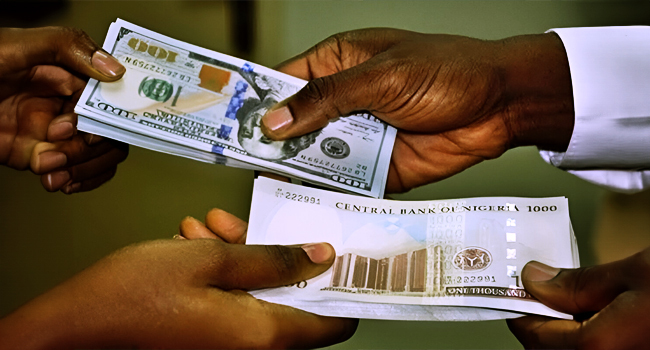
BLACK MARKET RATES
US DOLLAR (USD) Buy ₦1, 397 Sell ₦1,405
GREAT BRITISH POUND (GBP) Buy ₦1,850 Sell: ₦1,865
EURO (EUR) Buy ₦1, 580 Sell ₦1,600
CANADIAN DOLLAR (CAD) Buy ₦1,030 Sell ₦1,100
SOUTH AFRICAN RAND (ZAR) Buy ₦75 Sell ₦90
UAE DIRHAM Buy ₦350 Sell ₦370
CHINESE YUAN Buy ₦180 Sell ₦200
GHANA CEDI (GHS) Buy ₦95 Sell ₦110
WEST AFRICAN CFA Buy ₦2, 380 Sell ₦2, 460
CENTRAL AFRICAN CFA Buy ₦2, 220 Sell 2,300
AUSTRALIAN DOLLAR Buy ₦800 Sell ₦900
CBN OFFICIAL EXCHANGE RATES
US DOLLAR (USD) ₦1,370.15
GREAT BRITISH POUND (GBP) ₦1,832.17
EURO (EUR) ₦1,568.28
SWISS FRANC (CHF) ₦1,1705.44
JAPANESE YEN (JPN) ₦8. 51
CHINESE YUAN (CNY) ₦201. 80
WEST AFRICAN CFA (XOF) ₦2.38
WEST AFRICAN UNIT ACCOUNT (WAUA) ₦1,859. 98
SAUDI RIYAL (SAR) ₦364.91
SOUTH AFRICAN RAND (ZAR) ₦84. 32
The Presidency says the bodies allegedly used by Adeyemi—including the so-called Presidential Economic Advisory Council, Presidential Foreign Investment Promotion Council, and Presidential Foreign Intervention Promotion Council—do not exist as government agencies.
The Presidency says a man identified as Prince Adeniyi Adeyemi Matthew allegedly created and operated fake government agencies, forged appointment letters, and falsely claimed to have been appointed by Femi Gbajabiamila.
According to the statement:
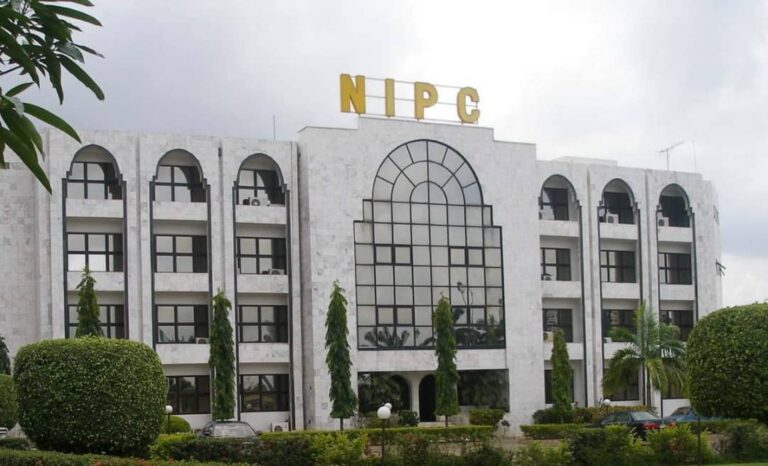
The Office of the Chief of Staff discovered the alleged scheme after complaints from the Nigerian Investment Promotion Commission (NIPC) that an unauthorized body was operating in a way that conflicted with its functions.
The Chief of Staff petitioned the Department of State Services and the Nigeria Police Force in October 2025 to investigate alleged forged appointment letters.
The Presidency says the bodies allegedly used by Adeyemi—including the so-called Presidential Economic Advisory Council, Presidential Foreign Investment Promotion Council, and Presidential Foreign Intervention Promotion Council—do not exist as government agencies.
Investigators allege Adeyemi operated from an office in the Federal Secretariat Complex, held meetings with diplomats, and sought diplomatic support to obtain U.S. visas for members of the alleged organization.
Police reportedly recovered forged documents and other exhibits during searches of his office and residence.
The investigation allegedly found that Adeyemi operated 34 bank accounts, including several in the names of fictitious organizations, and used forged documents to open a Central Bank of Nigeria account.
The Presidency says no government funds were paid into that account.
Police charged Adeyemi and two others before the Federal High Court on multiple counts, including forgery, impersonation, and obtaining by false pretence. The case is scheduled for hearing on July 27.
The Presidency also denied claims that Gbajabiamila appointed Adeyemi, stating that appointments to federal offices are issued through the Office of the Secretary to the Government of the Federation, not the Office of the Chief of Staff.
Current status
The Presidency maintains that:
the agencies in question are fictitious,
the appointment letter was forged,
Adeyemi is an impostor,
and the allegations against him should be resolved by the court.
As the case is pending before the court, the allegations remain subject to judicial determination.
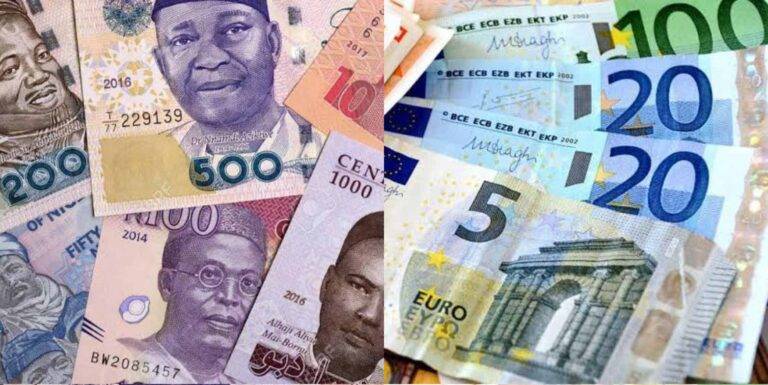
BLACK MARKET RATES
US DOLLAR (USD) Buy ₦1, 395 Sell ₦1, 403
GREAT BRITISH POUND (GBP) Buy ₦1,845 Sell: ₦1,865
EURO (EUR) Buy ₦1, 585 Sell ₦1,600
CANADIAN DOLLAR (CAD) Buy ₦1,030 Sell ₦1,100
SOUTH AFRICAN RAND (ZAR) Buy ₦75 Sell ₦90
UAE DIRHAM Buy ₦350 Sell ₦370CHINESE YUAN Buy ₦180 Sell ₦200
GHANA CEDI (GHS) Buy ₦95 Sell ₦110
WEST AFRICAN CFA Buy ₦2, 380 Sell ₦2, 460
CENTRAL AFRICAN CFA Buy ₦2, 220 Sell 2,300
AUSTRALIAN DOLLAR Buy ₦800 Sell ₦900
CBN OFFICIAL EXCHANGE RATES
US DOLLAR (USD) ₦1,372.41
GREAT BRITISH POUND (GBP) ₦1,821.73
EURO (EUR) ₦1,565.37
SWISS FRANC (CHF) ₦1,695.42
JAPANESE YEN (JPN) ₦8.45
CHINESE YUAN (CNY) ₦201.98
WEST AFRICAN CFA (XOF) ₦2.40
WEST AFRICAN UNITACCOUNT (WAUA) ₦1,870. 31
SAUDI RIYAL (SAR) ₦365.45
SOUTH AFRICAN RAND (ZAR) ₦83.80


A Review of Akwa Ibom State Government’s July Delivery Meeting

Explosion rocks Apapa tank farm; NPA, NIMASA move to curtail spread

FG slams 8-count charges on Adeyemi over fake agency ” I’m not a criminal”, he defends

Tech Expert, Zuckerberg trains with UFC champions, Adesanya, Alexander

Organ Trafficking: Ekweremadu bags 10 years in UK prison

SAINT OBI: Between his marriage and his death
-
 Business3 days ago
Naira Exchange Rates Thursday July 2, 2026
-

 News2 days ago
FG Launches Digital Education Database, Seeks Full School Participation
-
 News2 days ago
NIPSS: Gunmen attacks again, one killed
-
 Politics2 days ago
Atiku appoints Kenneth Okonkwo as spokesperson
-
 Business2 days ago
Issue: Cloning Nigerian Investment Promotion Commission (NIPC)
-

 News2 days ago
FG Hails End of Oyo Teacher’s Strike
-

 Sports1 day ago
Cape Verde faces defending world cup champions , Argentina today
-
 News2 days ago
JUST IN: Adire Fabric to Replace Khaki as New NYSC Uniform – Minister