
Politics
House Chaos: Speaker Overrules ‘Nay’ to Rescind Electoral Bill Amid E-Transmission Protests

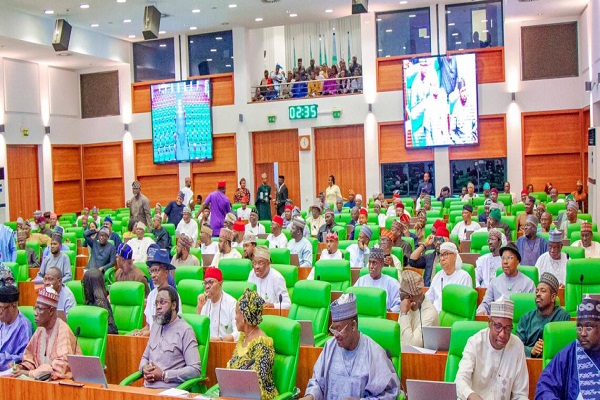
The House of Representatives erupted in chaos on Tuesday as protests outside the National Assembly intensified over demands for mandatory real-time electronic transmission of election results in the contentious Electoral Act (Amendment) Bill, 2026.
With exactly 368 days remaining until the February 20, 2027, general elections, civil society groups, activists, and demonstrators besieged the National Assembly gates for a second consecutive day (and in some reports, continuing from prior weeks), chanting slogans and pressing lawmakers to ensure polling unit results are uploaded live to INEC’s IReV portal without discretionary fallbacks that critics say could enable manipulation.
A key joint Conference Committee session between Senate and House delegations to reconcile differences particularly on Clause 60(3) regarding electronic transmission was postponed to late night after the House side failed to convene formally on Monday ahead of Tuesday’s plenary.
Inside the chamber during an emergency plenary on electoral matters, the atmosphere turned rowdy when Hon. Francis Waive (Chairman, Committee on Rules and Business) moved a motion for rescission of the House’s earlier passage of the Electoral Act (Amendment) Bill.
The motion, seconded by Hon. Bayo Balogun (Chairman, Committee on Electoral Matters), sought to recommit the bill for reconsideration, reportedly to address inconsistencies arising from ongoing harmonization talks with the Senate’s version.
When Speaker Tajudeen Abbas put the motion to a voice vote, the chamber rang with loud “Nay” shouts from many lawmakers apparently opposing it. Despite this, the Speaker declared the “Ayes” had it, ruling the motion carried.
The decision ignited immediate uproar, with members protesting vocally and accusing the presiding officer of overriding the evident majority.To quell the escalating disorder, the House quickly adjourned into a closed-door executive session to deliberate further.
The Senate has endorsed electronic transmission but with a more flexible framework (often conditional on network availability or INEC discretion), while the House version previously mandated compulsory real-time upload alongside physical collation.
Protesters, including groups backed by figures like Obiageli Ezekwesili and coalitions such as Situation Room, insist the final harmonized bill must adopt the stronger House position to safeguard electoral integrity and public trust ahead of 2027.
This remains a developing story, with the executive session’s outcome and any progress in Conference Committee talks poised to determine the fate of Nigeria’s electoral reforms.


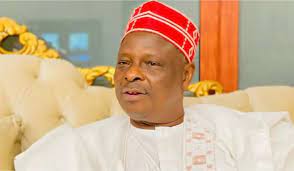
A former Governor of Kano State and national leader of the Kwankwasiyya movement, Senator Rabiu Musa Kwankwaso, is expected to formally join the African Democratic Congress (ADC) on Monday, March 30, 2026.
The development was confirmed by the spokesperson of the Kwankwasiyya movement, Dr. Habibu Sale Mohammed (also referred to as Habibu Mohammed), in a press statement made available to journalists in Kano.
According to the spokesperson, the anticipated defection follows weeks of extensive consultations between Kwankwaso, members of the Kwankwasiyya movement, and top leaders of the ADC.
Dr. Mohammed stated that the decision was reached in the best interest of the Kwankwasiyya movement, Kano State, and the nation as a whole.
He also directed all members of the movement nationwide to begin registering with the ADC ahead of the formal move.
The move comes as political realignments intensify ahead of the 2027 general elections, with Kwankwaso reportedly leaving the New Nigeria Peoples Party (NNPP), which he has led nationally.
The formal registration is expected to take place at Kwankwaso’s residence, Gidan Kwankwasiyya, on Miller Road in Kano, by 12 noon on Monday.
Politics
APC Holds National Convention on Saturday
The convention is not only a forum for leadership elections but also a moment for reflection, consolidation, and planning for the party’s future trajectory.

THE All Progressives Congress (APC) has confirmed that 8,453 delegates will attend its 2026 and 8th National Convention, scheduled to hold from Friday, March 27 to Saturday, March 28 in Abuja.
The convention, described by party officials as a major decision-making and policy engagement platform, will bring together representatives from all 36 states and the Federal Capital Territory to elect new executives, review party policies, and chart the APC’s strategic direction.
In a statement on Thursday , the party’s Media and Publicity Committee , Minister of Information and National Orientation, Mohammed Idris, emphasised that the convention theme, “Unity in Progress: Consolidating the Renewed Hope Agenda,” reflects the party’s commitment to cohesion and continuity.
” The convention is not only a forum for leadership elections but also a moment for reflection, consolidation, and planning for the party’s future trajectory,” he said.
Politics
What Ex-INEC Commissioner Igini says about 2026 Electoral Act
He identified three critical institutions as central to achieving credible elections: INEC, the judiciary, and security agencies, noting that their roles must be strengthened and properly aligned.
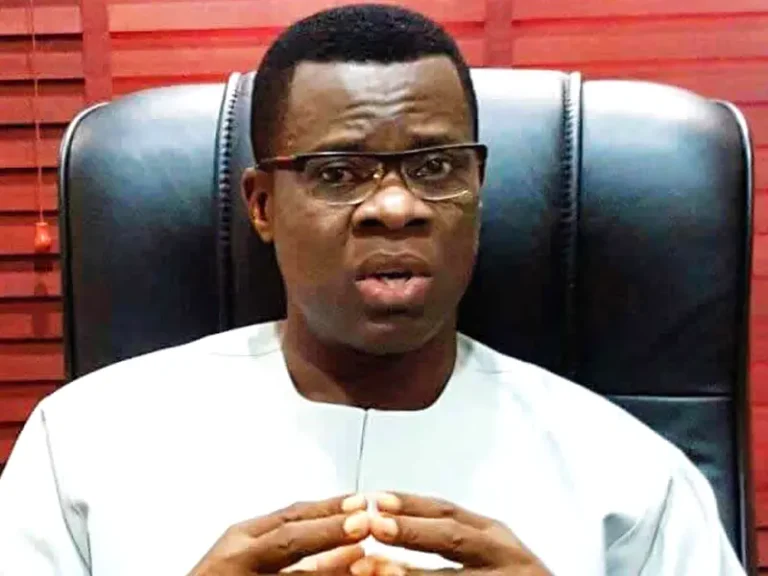
A former National Commissioner of the Independent National Electoral Commission, Mike Igini, on Thursday described the proposed 2026 Electoral Act as the worst in Nigeria’s history.
Igini said it was urgent to address what he termed the “tragedy” associated with the Act before the 2027 general elections, warning that it appears Nigerians may not be allowed to determine who governs them if the current issues persist.
Igini made the remarks in Abuja during the second annual lecture of the Alumni Association of the National Institute for Security Studies.
In his his lecture, themed ‘Credible Elections and National Security in Nigeria’, Igini stressed that Nigeria’s progress and overall quality of life would significantly improve if the country succeeds in fixing its electoral process and system.
He identified three critical institutions as central to achieving credible elections: INEC, the judiciary, and security agencies, noting that their roles must be strengthened and properly aligned.


Governor Otti Commissions Ultimum Manufacturing Plant in Aba

CAF appoints Nigeria’s Samson Adamu as acting secretary general

JUST IN: Kwankwaso Set to Join ADC on Monday

Tech Expert, Zuckerberg trains with UFC champions, Adesanya, Alexander

Organ Trafficking: Ekweremadu bags 10 years in UK prison

SAINT OBI: Between his marriage and his death
-
 Crime3 days ago
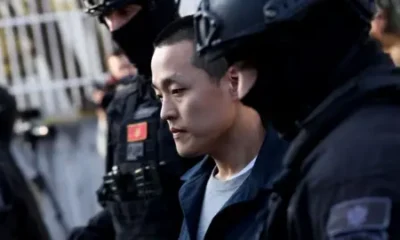
Vietnam Police Dismantle Multi-Billion Dollar Cryptocurrency Fraud Operation
-
 News2 days ago
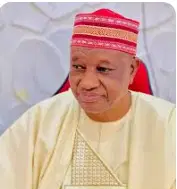
Kano Deputy Governor Resigns
-
 News3 days ago
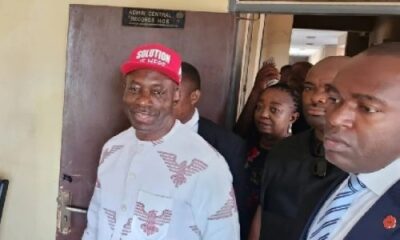
Soludo Orders Suspension of Absentee Workers After Surprise Secretariat Visit
-
 News3 days ago
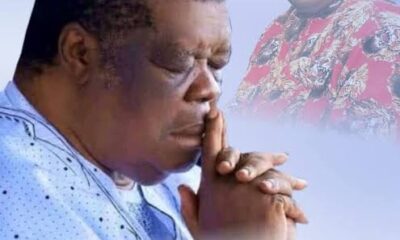
Abia State Holds State Burial for Renowned Evangelist Rev. Dr. Uma Ukpai
-
 News2 days ago
El-Rufai’ loses mother, Hajiya Umma
-
Politics13 hours ago
JUST IN: Kwankwaso Set to Join ADC on Monday
-
 Sports1 hour ago
CAF appoints Nigeria’s Samson Adamu as acting secretary general
-
 Business45 minutes ago
Governor Otti Commissions Ultimum Manufacturing Plant in Aba