
Business
NDIC begins paying depositors of 46 closed microfinance banks
NDIC Managing Director and Chief Executive Oludare Sunday confirmed the development at a retreat for members of the House of Representatives Committee on Insurance and Actuarial Matters in Lagos on Wednesday.


The Nigeria Deposit Insurance Corporation (NDIC) has started reimbursing depositors affected by the closure of 46 microfinance banks nationwide.
NDIC Managing Director and Chief Executive Oludare Sunday confirmed the development at a retreat for members of the House of Representatives Committee on Insurance and Actuarial Matters in Lagos on Wednesday.
” Payments are ongoing, and over 700,000 Heritage Bank customers have already received their insured funds through BVN-linked accounts.
“We have started paying depositors of those banks, and gradually we intend to cover all the insured depositors,” he said,” he said.
Following the revocation of the 46 MFB operating licences, the CBN subsequently appointed the NDIC as provisional liquidator of the failed financial institutions.




Business
Cardoso Says Multiple FX Windows Cost Nigeria 3% of GDP, Higher Than Fuel Subsidy
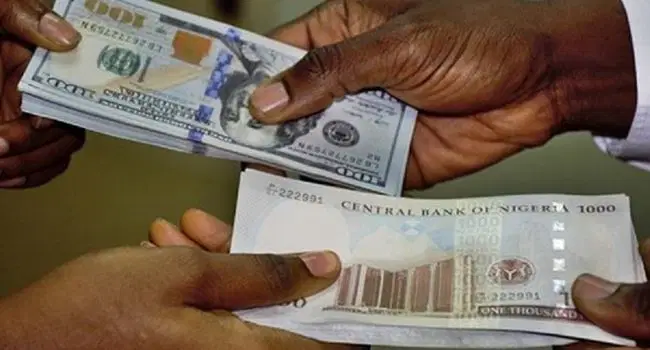
Before the CBN introduced FX reforms in 2023 to unify exchange rates, Nigeria had different channels through which dollars could be bought and sold. Different rates applied to different users and transactions.

Central Bank of Nigeria Governor Olayemi Cardoso has estimated that Nigeria lost about three per cent of its gross domestic product to multiple foreign exchange windows.
Mr Cardoso spoke in Abuja on Tuesday while answering questions after the 307th meeting of the Monetary Policy Committee.
He put the losses from the fuel subsidy regime at about 2.2 per cent of GDP, meaning the two distortions together cost the country roughly 5.2 per cent of GDP.
The committee cut the benchmark Monetary Policy Rate to 23 per cent from 26.5 per cent, a decision the governor described as an important operational realignment aimed at strengthening monetary policy transmission.
Mr Cardoso compared the cost of the old exchange rate system to the fuel subsidy, which he said was already a staggering amount of money.
The losses that we were making as a result of these multiple exchange rate windows was more. It was 3 per cent of GDP. So between those, you had 5.2 per cent of GDP lost,” he said.
Before the CBN introduced FX reforms in 2023 to unify exchange rates, Nigeria had different channels through which dollars could be bought and sold. Different rates applied to different users and transactions.
Black Market Rates
₦1382 DOLLAR (USD)
₦1860 POUND (GBP)
₦1555 EURO (EUR)
₦1000 DOLLAR (CAD)
₦70 SOUTH AFRICAN RAND (ZAR)
₦370 UAE DIRHAM (AED)
190 YUAN (CNY)
₦100 G.CEDI (GHS)
₦2250 CFA F.(XOF)
₦2250 CFA F.(XAF)
₦850 AUSSIE (AUD)
CBN Exchange Rate
DOLLAR (USD) ₦1327.78
POUND (GBP) ₦1774.31
EURO (EUR) ₦1521.37
SWISS FRANC (CHF) ₦1619.04
JAPANESE YEN (JPN) ₦8.44
CFA FRANC (XOF) ₦2.33
WEST AFRICAN UNIT OF ACCOUNT (WAUA)₦1814.83
CHINESE YUAN (CNY) ₦198.16
SAUDI RIYAL (SAR) ₦353.57
SOUTH AFRICAN RAND (ZAR) ₦81.82
Business
FG Engages Stakeholders On Nigeria’s Rice Value Chain
Discussions covered domestic rice production, cultivated area and yields, farmer economics, paddy and milled-rice prices, processing and milling activity, public and private stocks, trade flows, financing and investment.
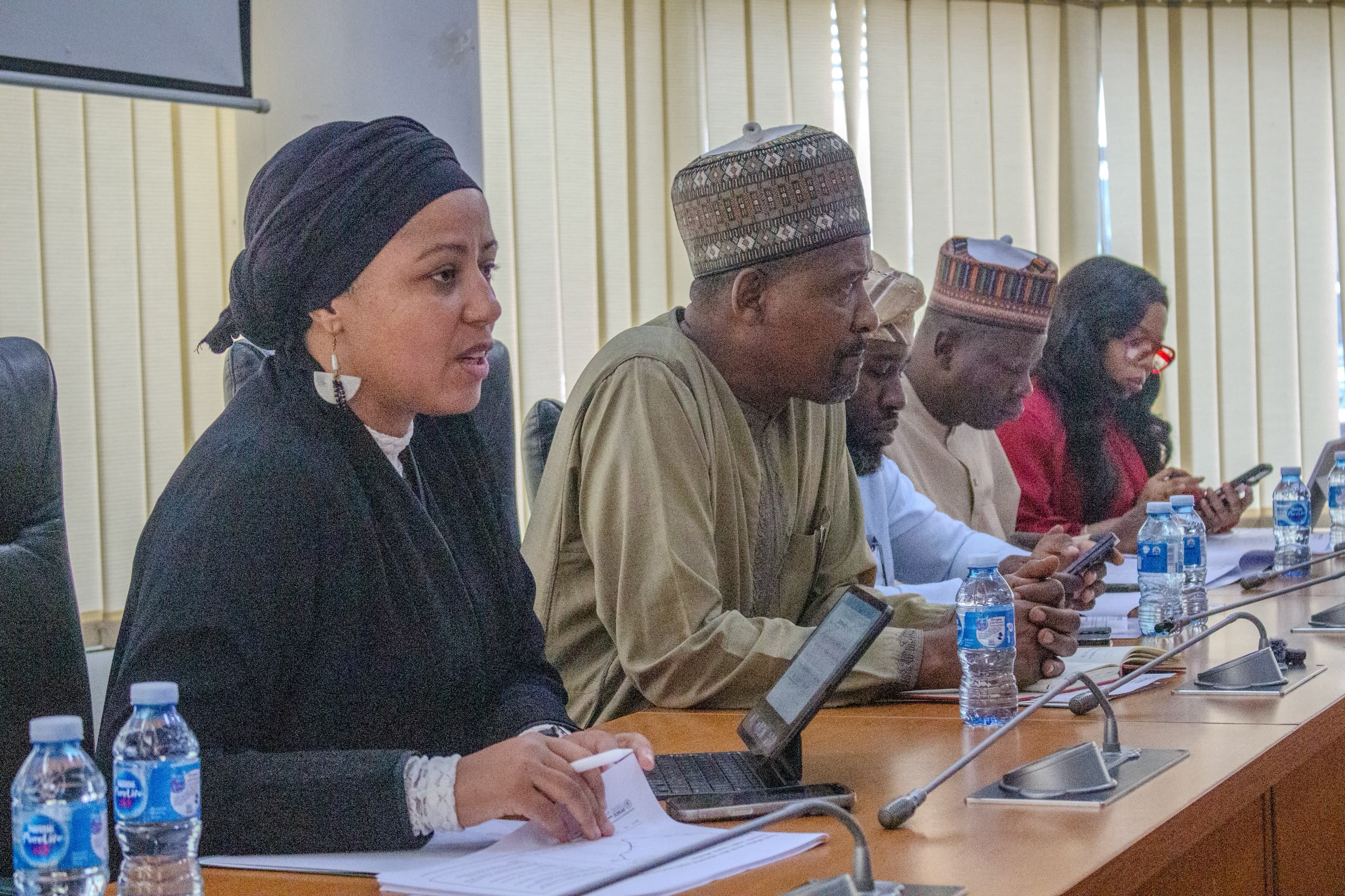
Stakeholders highlighted the high cost of production as a major constraint to competitiveness, with rice production costs reported at about ₦2.2 – ₦2.3 million per hectare and fertiliser accounting for approximately 35 percent of production costs.


Cardoso Says Multiple FX Windows Cost Nigeria 3% of GDP, Higher Than Fuel Subsidy

Naira To Dollar, Pound , Euro Rate Wednesday September 23

FG Engages Stakeholders On Nigeria’s Rice Value Chain

Tech Expert, Zuckerberg trains with UFC champions, Adesanya, Alexander

Organ Trafficking: Ekweremadu bags 10 years in UK prison

SAINT OBI: Between his marriage and his death
-

 Business2 days ago
CBN, MOF sign pact to align monetary, fiscal policies
-

 Business1 day ago
Dangote Whets Investors Appetite Ahead 2028 Fertiliser IPO
-

 Business1 day ago
Gambia Orders Nigerian Banks To Replace Foreign Staff by December 2026
-

 International24 hours ago
Trump launches ‘Trump TV’ as US networks halt White House coverage
-

 News23 hours ago
Independent Panel Begins Probe into 37 Deaths in Civil Defence Custody
-

 Sports22 hours ago
Mbappé Leaves Nike To Promote Swiss Sportswear Brand On
-

 Health1 day ago
Nigerian hospital successfully performs kidney cancer surgery via tele-robotic
-
 Business1 day ago
Naira To Dollar, Pound, Euro…Rate Today, September 22