
News
INEC needs1.4m corps members for 2027 election manpower
The INEC chairman broke down the 2027 deployment figures, saying 707,384 corps members would be required for the Presidential and National Assembly election scheduled for January 16, 2027, and the same number for the Governorship and Houses of Assembly election on February 6, 2027 — bringing the combined total to 1,414,768.

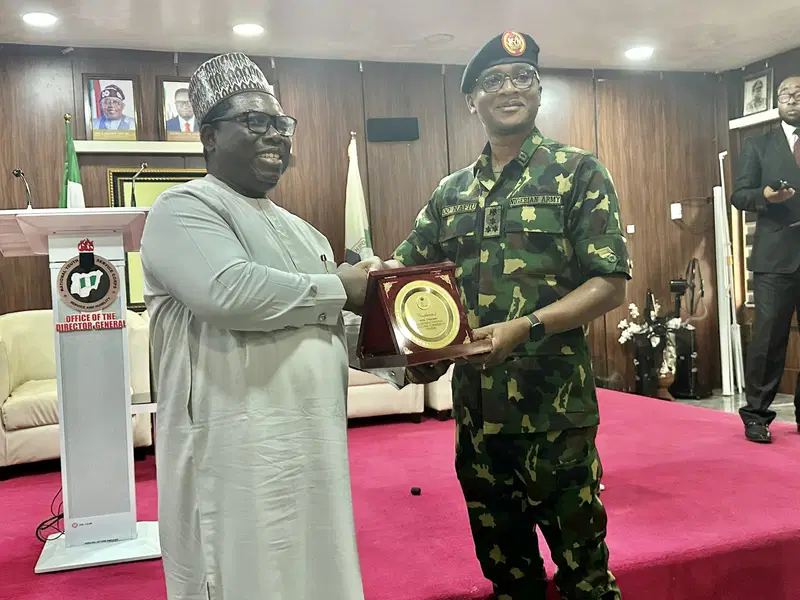
Photo:INEC Chairman Professor Joash Amupitan and NYSC Director-General Brigadier General Olakunle Nafiu. Photo: INEC|X
INEC Chairman Professor Joash Amupitan said on Monday that the Commission needs more than 1.4 million national youth corps members for the 2027 general election.
Amupitan made the disclosure when he paid a courtesy visit to the NYSC Director-General, Brigadier General Olakunle Nafiu at the corps’ headquarters, Yakubu Gowon House, in Abuja.
” You provide the heartbeat of our field operations. When we speak of election manpower, we are essentially speaking of your corps members.
They are the most dedicated, educated, and patriotic election duty staff we have, and their presence at the polling units brings a level of neutrality and public confidence that is irreplaceable,” Amupitan told the NYSC management team.
The INEC chairman broke down the 2027 deployment figures, saying 707,384 corps members would be required for the Presidential and National Assembly election scheduled for January 16, 2027, and the same number for the Governorship and Houses of Assembly election on February 6, 2027 — bringing the combined total to 1,414,768.
An additional 52,446 corps members would be needed for the Ekiti and Osun governorship elections and bye-elections in Nasarawa, Enugu, Rivers, Ondo, Kebbi, and Kano states.
The figures represent a substantial jump from the 2023 general election, where INEC deployed approximately 1.2 million ad hoc staff in total, with over 70 percent — nearly 850,000 individuals — drawn from NYSC ranks and student volunteers.

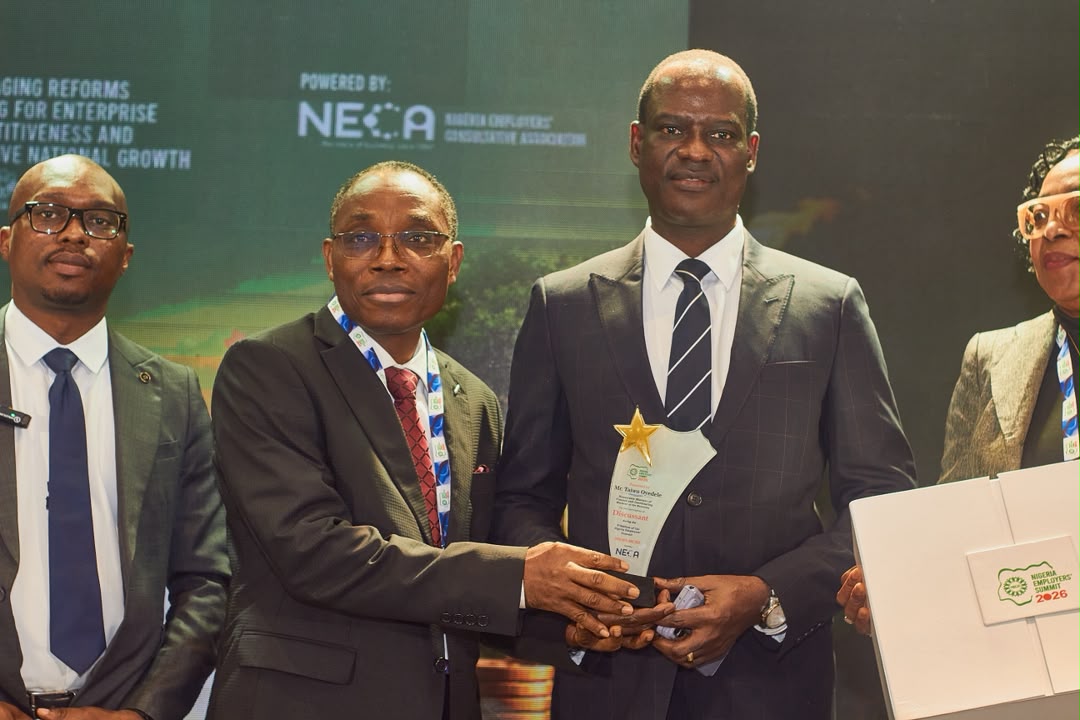
Nigeria has successfully navigated the toughest phase of its economic reforms and is now prioritising accelerated, broad-based growth that benefits citizens and businesses, according to the Honourable Minister of Finance and Coordinating Minister of the Economy, Mr. Taiwo Oyedele.
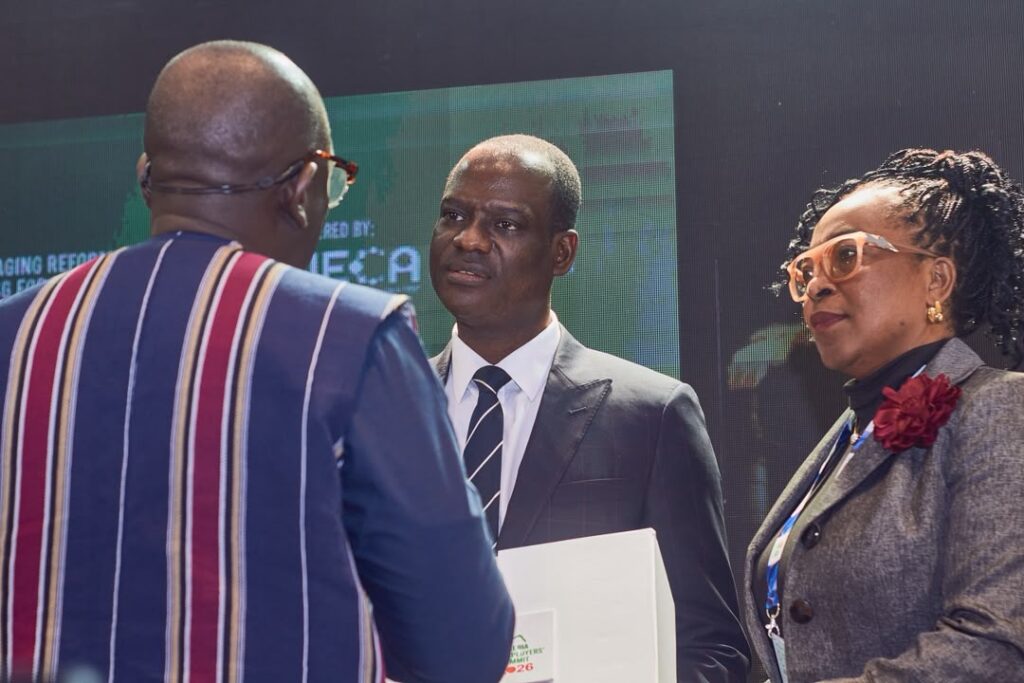
Speaking at the Nigeria Employers’ Summit 2026 organised by the Nigeria Employers’ Consultative Association (NECA) in Abuja, Oyedele said the bold reforms introduced by President Bola Ahmed Tinubu’s administration averted an imminent economic collapse and established a foundation for macroeconomic stability.
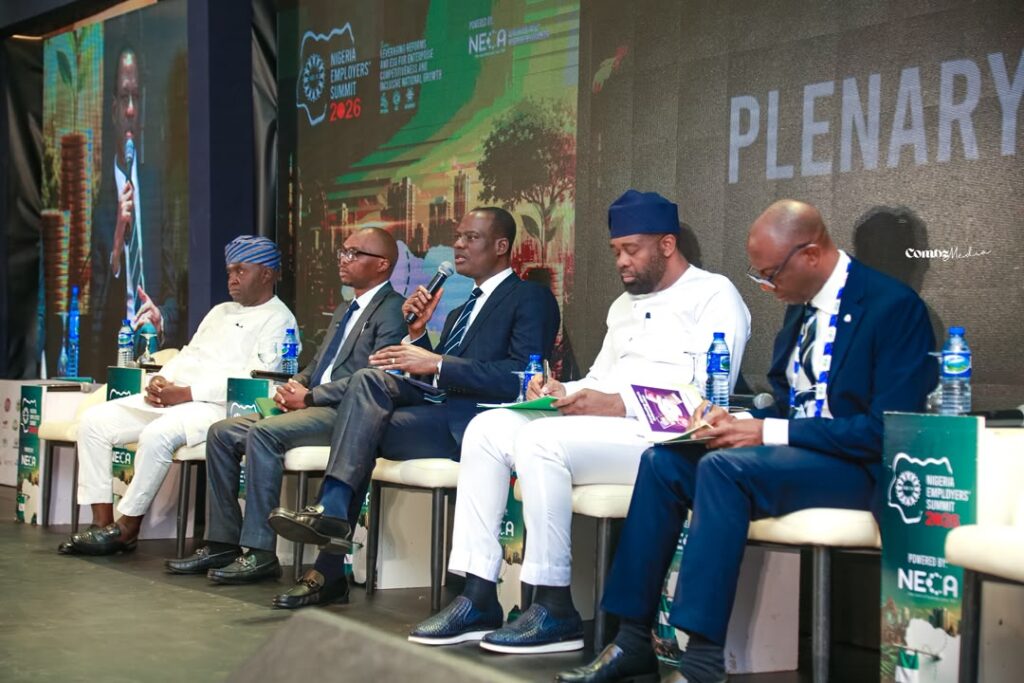
Addressing business leaders, policymakers, and development partners during a high-level panel titled “Reforms in Focus: The Milestones, the Challenges and the Prospects,” the Minister acknowledged the short-term hardships caused by the reforms but described them as essential for restoring fiscal sustainability.
“Before the reforms, Nigeria faced an unsustainable fiscal situation where oil revenues were largely consumed by fuel subsidies and non-oil revenue by debt obligations, leaving little room for investment in infrastructure and other critical sectors,” Oyedele explained.
He emphasised that the reforms were necessary to prevent economic collapse. “The task before us now is to consolidate the gains, deepen stability and accelerate productive, inclusive growth that improves the lives of Nigerians,” the Minister stated.
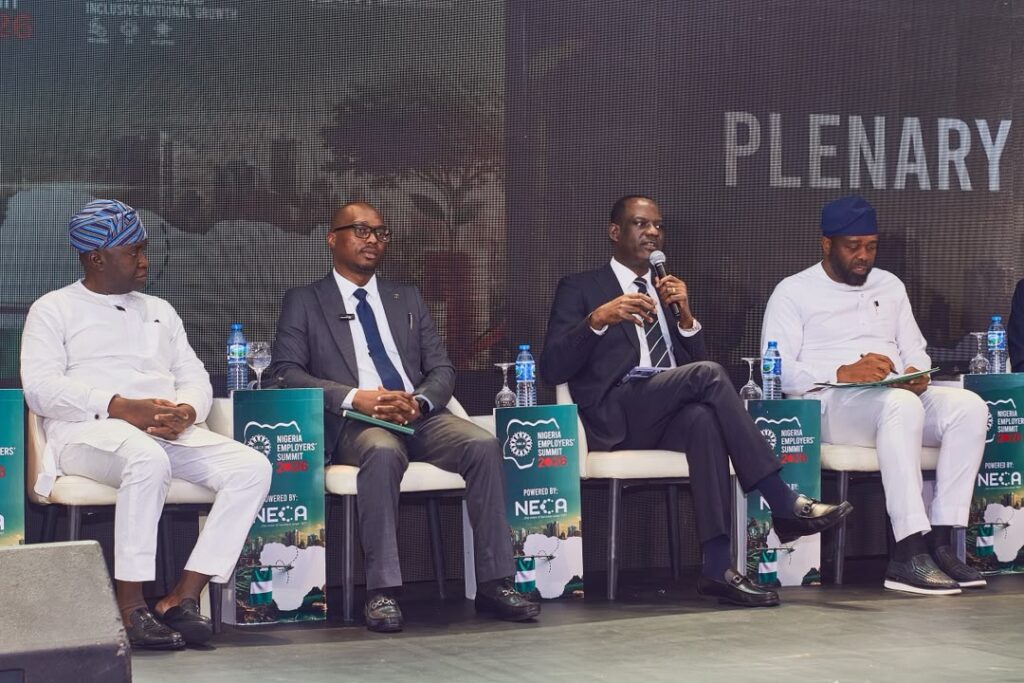
Oyedele noted that the economy has transitioned from severe volatility to increasing stability, creating conditions to attract investment, boost productivity, and build long-term resilience. The next phase of reforms, he said, will focus on faster economic growth, expanding opportunities across sectors, reducing inflation, and protecting vulnerable groups including low-income earners and small businesses.
The Minister also addressed public perceptions of government policies, particularly borrowing. He observed that criticism often stems from viewing debt through the lens of personal finance rather than strategic fiscal management. He cited the recent tax reforms as an example, which were designed to protect small businesses and low-income households while ensuring higher contributions from those with greater capacity.
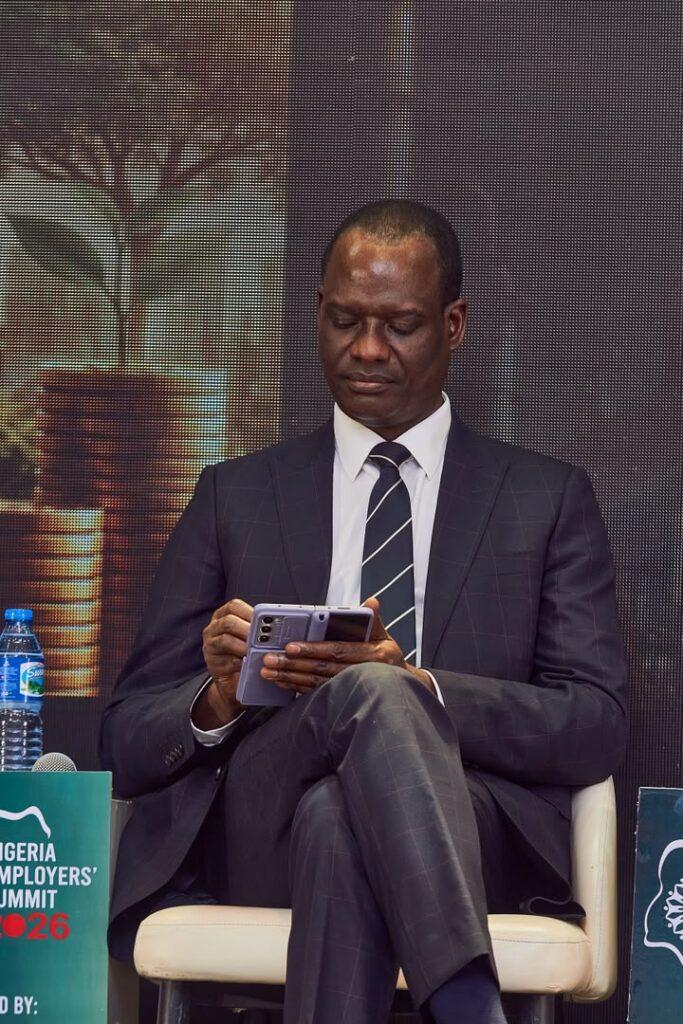
Oyedele called on Nigerians to adopt a more balanced narrative about the country’s progress, recognising improvements in fiscal management, debt sustainability, investor confidence, and overall economic stability despite remaining challenges.
Other panelists, including Dr. Kelechi Ohiri, Director-General of the National Health Insurance Authority (NHIA); Dr. Muda Yusuf, CEO of the Centre for the Promotion of Private Enterprise (CPPE); and Dr. Wilson Erumebor, Principal Economist at the Nigerian Economic Summit Group (NESG), acknowledged the necessity of the reforms while urging stronger actions to deliver tangible benefits to businesses and citizens.
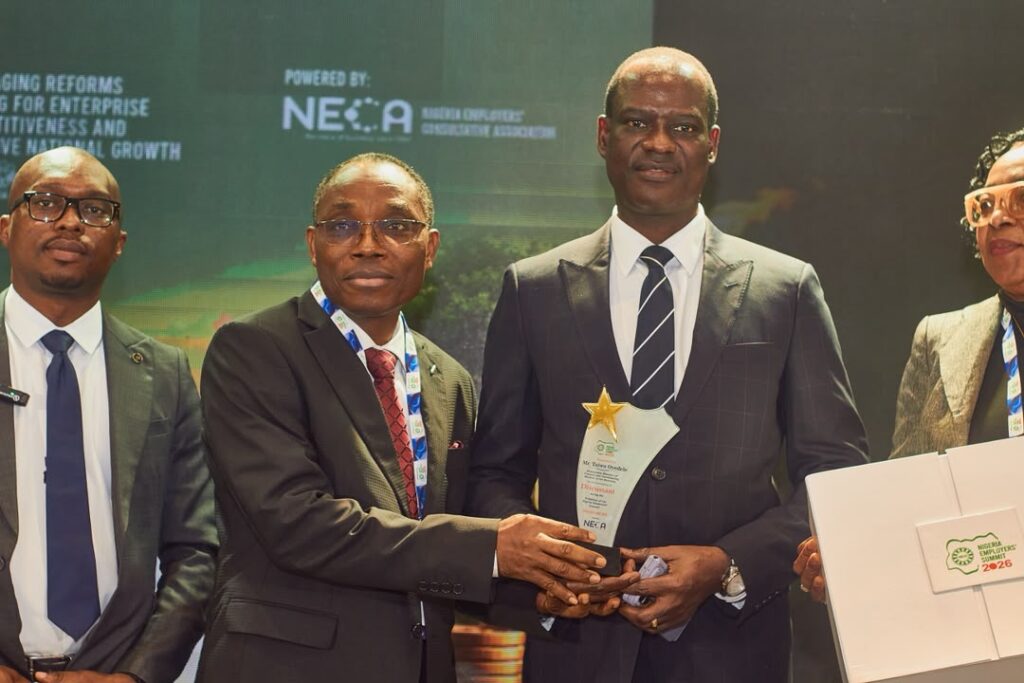
Discussions at the summit centred on healthcare financing, infrastructure development, support for small and medium-sized enterprises, power sector reforms, tax administration, and translating macroeconomic stability into better living standards and enterprise competitiveness.
The Nigeria Employers’ Summit 2026 convened senior government officials, private sector leaders, development partners, and economic experts to explore how ongoing reforms and Environmental, Social and Governance (ESG) principles can enhance competitiveness and drive inclusive national growth.
News
Nigeria must never experience another civil war, Obasanjo warns
Obasanjo noted that many of the factors that led to the 1967–1970 conflict still exist within the country’s institutions and among its people.
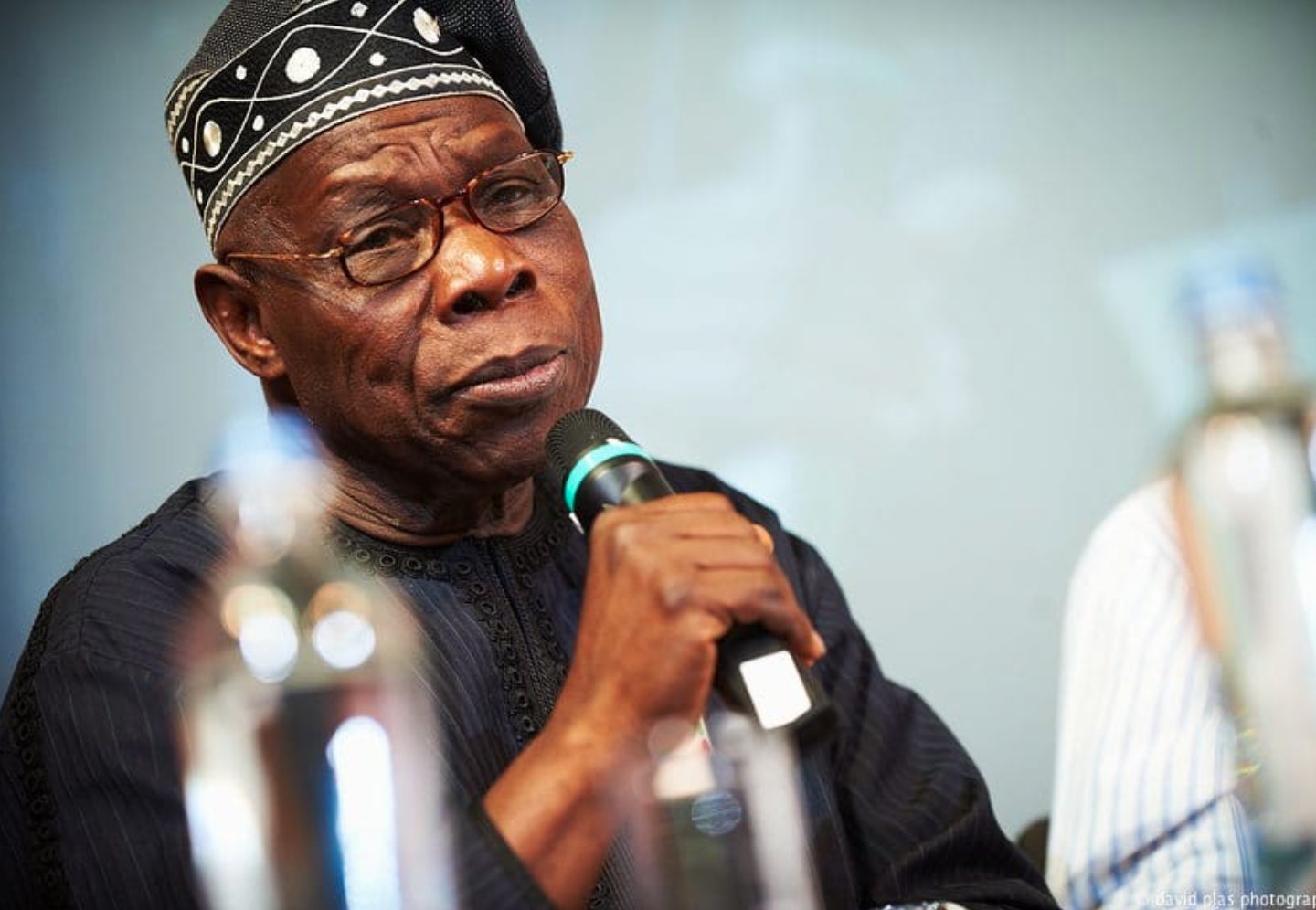
•Former President Olusegun Obasanjo
Former President Olusegun Obasanjo on Wednesday warned that Nigeria must never experience another civil war.
Obasanjo spoke at the Olusegun Obasanjo Presidential Library (OOPL) in Abeokuta, Ogun State, while receiving a historical documentation on the Asaba Massacre from the Isama Ajie of Asaba, Chief Chuck Nduka-Eze.
Obasanjo noted that many of the factors that led to the 1967–1970 conflict still exist within the country’s institutions and among its people.
The work, titled Asaba Massacre, comprises a published transcript and an audiovisual documentary based on eyewitness accounts, recorded interviews, archival materials, audiovisual documentation and historical research.
Speaking during the presentation, Obasanjo, who served as a military commander during the Nigerian Civil War, said that he had always refrained from commenting extensively on the Asaba Massacre because the area was under the command of the late General Murtala Muhammed.
He commended Nduka-Eze for documenting the events, saying the work would contribute to preserving Nigeria’s history and preventing a recurrence of such tragedies.
“We pride ourselves that we preserve the past, we capture the present and we inspire the future. We capture the past, and this is the past; we want to capture it, we want to know about it,” Obasanjo said.
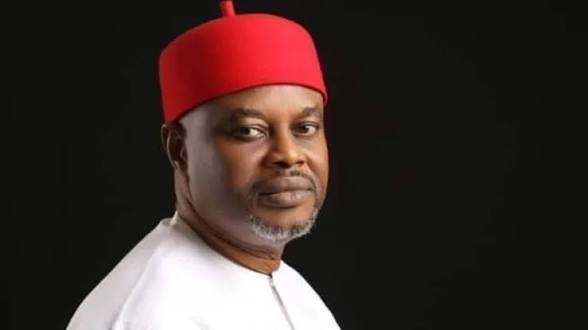
Operatives of the Department of State Services (DSS) have arrested former Minister of Science and Technology, Geoffrey Uchechukwu Nnaji, at the Akanu Ibiam International Airport in Enugu.
The arrest occurred on Wednesday morning as the former minister attempted to board a private jet to Abuja.
Security sources confirmed that Nnaji was taken into custody by DSS officers at the request of the Independent Corrupt Practices and Other Related Offences Commission (ICPC) over allegations of certificate forgery. He was subsequently handed over to the anti-graft agency.
The ICPC had reportedly extended several invitations to the former minister following petitions regarding his management of the ministry. When he failed to honour the invitations, the commission sought the assistance of the DSS to effect his arrest.
Nnaji resigned from his position as Minister last October under controversial circumstances.
Further details on the case are still emerging.


Nigeria Moves from Decline to Stability – Finance Minister Oyedele (Photos)

CBN revokes 46 MFBs’ licences

Nigeria must never experience another civil war, Obasanjo warns

Tech Expert, Zuckerberg trains with UFC champions, Adesanya, Alexander

Organ Trafficking: Ekweremadu bags 10 years in UK prison

SAINT OBI: Between his marriage and his death
-

 Business3 days ago
Naira Exchange Rates Monday, 29 June 2026
-

 News3 days ago
JUST IN: Two Trucks, Car Collide on Lagos Expressway, Several Injured
-
 Politics3 days ago
2027: Atiku Alleged Plot To Keep ADC Off Ballot
-

 Health3 days ago
WHO Confirms 1,300 deaths in Europe heatwaves
-

 News3 days ago
JAMB and Rite Foods Initiate Rewarding Top Performing Candidates
-
 Business2 days ago
BUA Group Denies Reports of Bid to Acquire Stake in Kano Pillars Football Club
-
 Politics2 days ago
JUST IN: Adeboye says he Admires Trump, declaring “He is the best politician I’ve met’
-

 News3 days ago
FG bans motorcycles, tricycles on Lagos-Calabar Coastal Highway