
International
President Tinubu Assures ECOWAS of standby force, other plans actualization

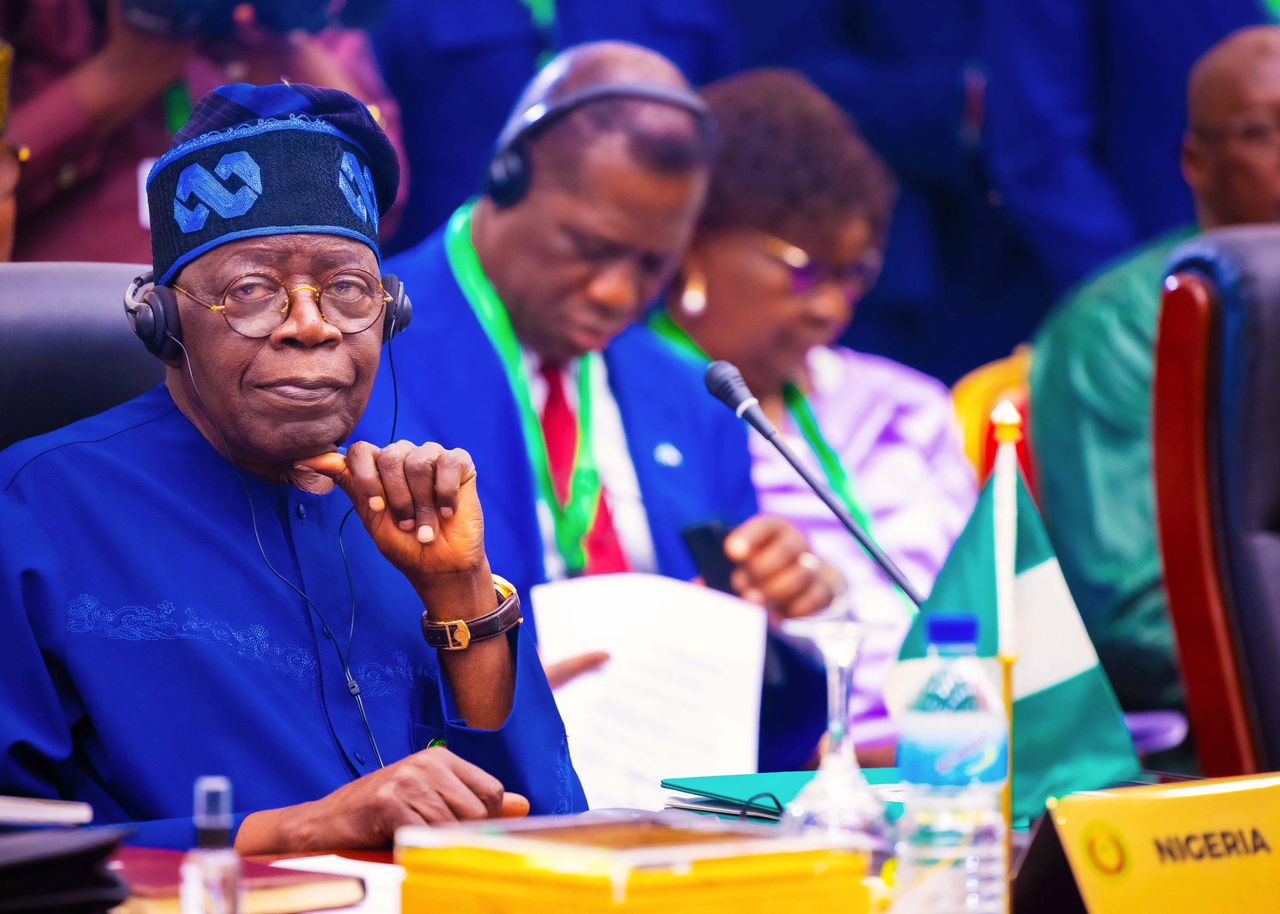
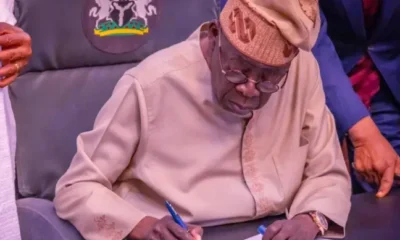
Nigeria’s President, Bola Ahmed Tinubu has urged leaders of the West Africa sub-region to rise above coups d’état and threats to democracy.
Tinubu’s presidential spokesman, Dele Alake, disclosed this on Sunday in a statement following the emergence of Tinubu as the chairman of the Economic Community of West African States (ECOWAS) at the ongoing 63rd Ordinary session in Guinea Bissau.
The President of Africa’s most populous country avowed that insecurity and creeping terrorism are stunting the progress and development of the West African region.
He noted that the threat to peace in the region had reached alarming proportions with terrorism and an emerging pattern of military takeover that now demanded urgent and concerted actions.
Tinubu emphasised the need to embrace kinetic and non-kinetic operations, including preventive diplomacy, to end regional insecurity.
He pledged to harmonise all strategies and resources towards actualizing lasting peace in the region.
“On peace and security, the threat has reached an alarming level and needs urgent actions to address the challenges. Indeed, the region’s progress and development will remain elusive without a peaceful environment. In this regard, we must remain committed to utilising all regional frameworks to address the menace of insecurity.
“There is also the Regional Plan of Action on Fight Against Terrorism 2020–2024 and the operationalization of the ECOWAS standby force on fight against terrorism.
“I will ensure that we harmonise these plans and mobilise resources and the political will towards actualizing the initiatives. As terrorists do not respect boundaries, we must work collectively to have an effective regional counterterrorism measure,” he stated.








International
US and Iran to sign historic peace deal June 19 in Switzerland
He commended both Washington and Tehran for choosing diplomacy over continued conflict and acknowledged the roles played by Qatar, Saudi Arabia, and Türkiye in facilitating the talks.

•US/IRAN flags
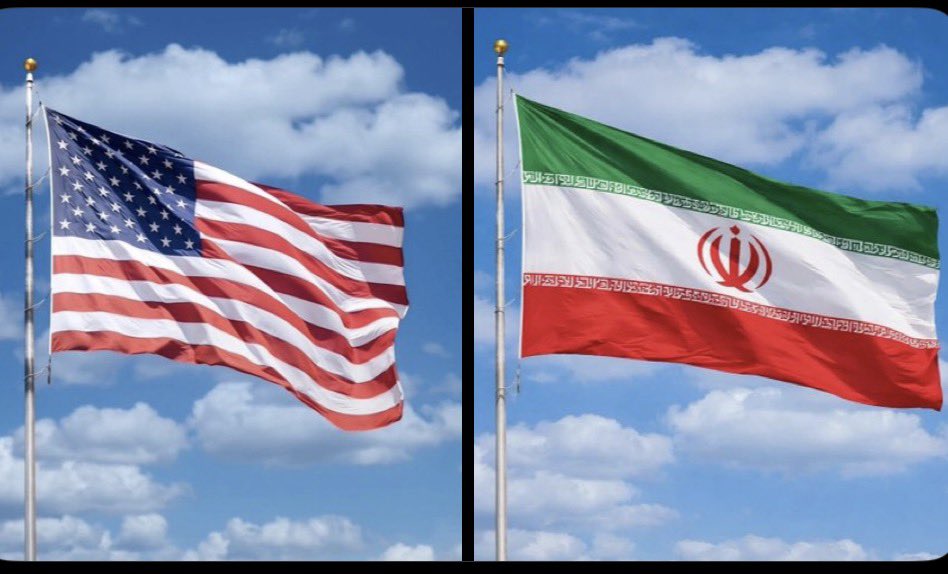
Pakistan’s Prime Minister, Shehbaz Sharif, revealed that both the United States and Iran have reached a landmark peace agreement to the immediate and permanent cessation of military operations on all fronts, including in Lebanon.
The formal signing ceremony is scheduled to take place on June 19 in Switzerland.
According to Sharif, the agreement is the result of extensive mediation efforts involving several regional and international stakeholders.
He commended both Washington and Tehran for choosing diplomacy over continued conflict and acknowledged the roles played by Qatar, Saudi Arabia, and Türkiye in facilitating the talks.
International
Zimbabwe Wins UN Security Council Seat for 2027-2028
The five countries were elected by the 193-member General Assembly to serve as non-permanent members of the Security Council for two-year terms beginning on January 1, 2027.
Zimbabwe has been elected to a non-permanent, two-year term on the United Nations Security Council, the third time the country will be represented on the body mandated to maintain international peace and security.
Voice of Nigeria reports that the other countries that secured seats around the iconic horseshoe table are Austria, Portugal, Trinidad and Tobago, and Kyrgyzstan.
The five countries were elected by the 193-member General Assembly to serve as non-permanent members of the Security Council for two-year terms beginning on January 1, 2027.
Austria and Portugal won the two seats allocated to the Western European and other States (WEOG) Group, while Trinidad and Tobago and Zimbabwe were elected from the Latin American and Caribbean Group and the African Group, respectively.
Kyrgyzstan secured the Asia-Pacific seat after defeating the Philippines in four rounds of voting.
International
Finland’s president says EU should expand to 40 states — including Canada
His comments come as the Trump administration’s actions, alongside Russia’s war with Ukraine, prompt some countries to reconsider the benefits of EU membership.
• Finland’s president Alexander Stubb
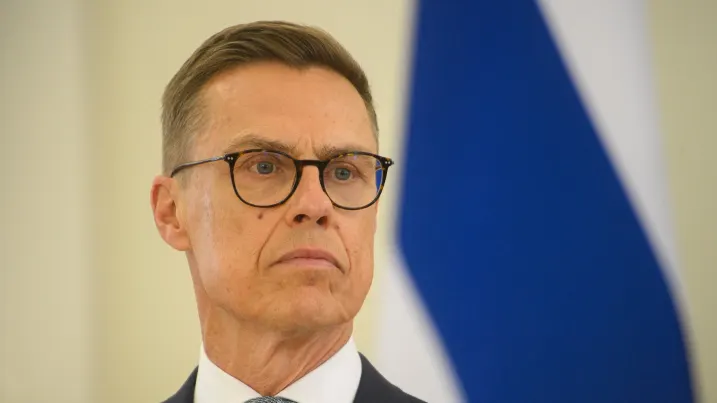
Finnish President Alexander Stubb has stressed the need for a much larger European Union, saying the 27-nation bloc should increase its membership to 40 states and named the U.K., Canada, Turkey, Norway and Iceland as potential candidates to join.
Stubb made the call at an energy conference in the Finnish capital on Wednesday.
His comments come as the Trump administration’s actions, alongside Russia’s war with Ukraine, prompt some countries to reconsider the benefits of EU membership.
Stubb told the Eurelectric Power Summit that “the window of opportunity” for EU enlargement “is quite short because when the war in Ukraine ends and perhaps when the U.S. administration changes, I don’t know, then people are going to take their foot off the gas pedal and start heckling about unnecessary stuff again.”
Stubb added that “European strategic autonomy or European geopolitical power” is “often based on size and scale and I think the best European policy ever has been European enlargement.”
“In this moment, we need to think big and geographically, we need to enlarge or at least create memberships which are flexible enough to bring in a sum total of 40 European states — or even non-European,” Stubb said.
Finland’s president said the EU should look to its western flank and bring the U.K., which left the bloc in 2020, back into the fold, or at least “as close as possible
.”Canada should be considered as another option, Stubb said. “Wouldn’t it be lovely if Canada was the 28th state of the European Union rather than the 51st state of the United States?”


Naira Exchange Rates Monday, June15, 2026

Edo Queens Win 2025/26 NWFL Title

World Cup: Japan Holds Netherlands To 2-2 Draw

Tech Expert, Zuckerberg trains with UFC champions, Adesanya, Alexander

Organ Trafficking: Ekweremadu bags 10 years in UK prison

SAINT OBI: Between his marriage and his death
-
 Crime2 days ago
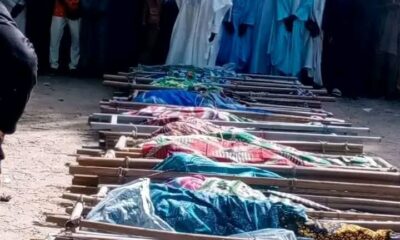
Bandits Kill 19 Farmers, Injure 12 Others in Fresh Attack in Zamfara
-
 Crime2 days ago
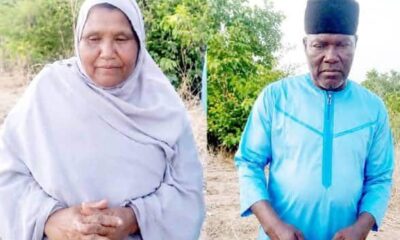
BREAKING: Retired General Dies in Kidnappers’ Captivity, Demand Release of Gang Members
-

 Sports2 days ago
Balogun: This is something I dreamed of for a long time
-
 Opinions3 days ago
Democracy Still Struggling 33 Years After June 12, PDP Laments by Comrade Ini Ememobong
-
 Sports7 hours ago
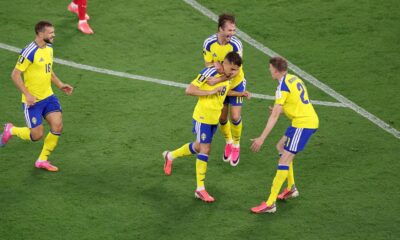
World Cup: Sweden beats Tunisia 5-1
-

 Sports2 days ago
FIFA World Cup 2026 Day 3: Qatar draws Switzerland 1: 1
-
 Sports3 days ago
FIFA World Cup Day 2: Canada holds 1-1 Bosnia-Herzegovina
-
 International7 hours ago
US and Iran to sign historic peace deal June 19 in Switzerland