
Health
More than 95,000 died of suicide so far in 2026 — WHO
Certain vulnerable populations face disproportionately higher risks, including refugees and migrants, indigenous peoples, LGBTI persons, prisoners, and others who experience discrimination, social exclusion or limited access to support services.


World Health Organization (WHO) data reported that more than 95,000 people have died by suicide globally since the start of 2026.
According to Worldometer, the figure as of the time of this report, stands at 95, 406 so far in 2026.
The early-year toll highlights the continuing scale of suicide as a major global public health challenge.
WHO estimates show that about 727, 000 people die by suicide every year worldwide, with millions more attempting to take their own lives.
Health experts note that while annual suicide figures are usually released with a reporting delay, real-time counters help illustrate how frequently lives are lost to a largely preventable cause.
Suicide occurs across all regions and age groups, but WHO data indicate that it remains one of the leading causes of death among young people aged 15 to 29, ranking third globally in that age group in 2021.
The impact extends far beyond individuals, leaving long-lasting emotional, social and economic consequences for families, communities and entire nations.
Contrary to common assumptions, suicide is not limited to high-income countries.
WHO reports that nearly three-quarters (73%) of global suicides occur in low- and middle-income countries, where access to mental health care and social support services is often limited.
While suicide is closely linked to mental health conditions such as depression and alcohol use disorders, particularly in high-income countries,WHO notes that many suicides occur impulsively during moments of acute crisis.
These crises may stem from financial stress, relationship conflicts, chronic pain, illness, exposure to violence, displacement, or a profound sense of isolation.
Certain vulnerable populations face disproportionately higher risks, including refugees and migrants, indigenous peoples, LGBTI persons, prisoners, and others who experience discrimination, social exclusion or limited access to support services.
WHO stresses that suicide is preventable and requires a coordinated public health response rather than isolated interventions.
Evidence-based and often low-cost measures, such as restricting access to lethal means, promoting responsible media reporting, strengthening life skills among adolescents, and ensuring early identification and follow-up care for those at risk, have been shown to save
Health
Ebola: President Tinubu approves N10bn to strengthen NCDC preparedness
This follows the rapidly expanding outbreak that has already killed at least 349 people across the Democratic Republic of Congo and Uganda, with the World Health Organisation declaring it a Public Health Emergency of International Concern.

President Bola Tinubu has approved the immediate release of N10 billion to strengthen the operational preparedness of the Nigeria Centre for Disease Control and prevention and support critical national public health emergency response activities.
The President also established a Presidential Task Force on Ebola Virus Disease Preparedness and Control.
This follows the rapidly expanding outbreak that has already killed at least 349 people across the Democratic Republic of Congo and Uganda, with the World Health Organisation declaring it a Public Health Emergency of International Concern.
A statement by the Special Adviser to the President on Information and Strategy, Bayo Onanuga, said the task force would be chaired by the Chief of Staff to the President, Femi Gbajabiamila, with membership drawn from relevant ministries, departments and agencies .
The task force was constituted following a stakeholder meeting convened by Gbajabiamila to review Nigeria’s preparedness.
It was attended by representatives from the Ministry of Interior, the Federal Airports Authority of Nigeria, the Nigeria Immigration Service, the Nigerian Civil Aviation Authority and the Lagos State Government, among others.
Health
Senate passes bill to establish Malaria Elimination Agency
The bill, sponsored by Ned Nwoko, scaled third reading on Wednesday after the Senate considered and adopted the report of its Committee on Health (Secondary and Tertiary), chaired by Ipalibo Banigo.
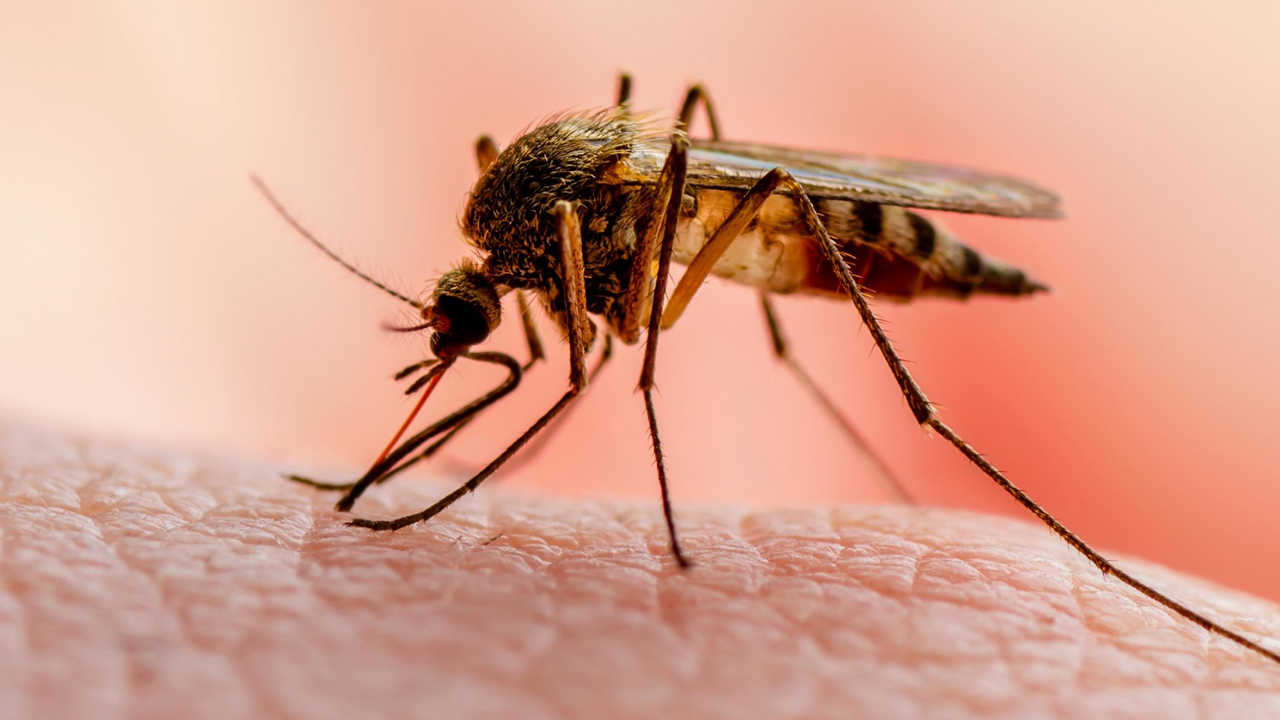
The Senate has passed a bill seeking to establish a National Agency for Malaria Elimination saddled with the responsibility of preventing, controlling and ultimately eliminating malaria in Nigeria.
The bill, sponsored by Ned Nwoko, scaled third reading on Wednesday after the Senate considered and adopted the report of its Committee on Health (Secondary and Tertiary), chaired by Ipalibo Banigo.
Presenting the report on behalf of Banigo, Sampson Ekong said the proposed agency would serve as the central body responsible for coordinating national efforts aimed at preventing, controlling and ultimately eliminating malaria in Nigeria.
The Senate said the agency seeks to mark a shift in the country’s approach to malaria management from treatment-focused interventions to preventive and elimination strategies.
“The agency, when established, will help shift the country’s approach from curative measures to prevention and eventual elimination of malaria,” it stated.
(Source: The SUN)
Health
Cross River restores molecular laboratoy for TB, HIV, Mpox testing
This place is arranged to address issues of TB, HIV and other outbreaks. Mpox, Lassa fever and even Ebola-related surveillance can be handled here. Most of the essential services have now been restored,” he said.

Photo : Governor Bassey Otu of Cross River State
The Cross River State Government has announced that the molecular laboratory services at Dr. Lawrence Henshaw Memorial Hospital now conducts molecular testing for tuberculosis, HIV and Mpox while retaining the capacity to support surveillance and response efforts for emerging public health threats..
The Commissioner for Health, Dr. Egbe Ayuk, disclosed this on Tuesday during an inspection tour of the hospital alongside journalists in Calabar.
Ayuk said that the molecular laboratory, which serves as one of the state’s key public health surveillance centres, has resumed most of its essential functions following rehabilitation efforts supported by the state government and development partners.
“This place is arranged to address issues of TB, HIV and other outbreaks. Mpox, Lassa fever and even Ebola-related surveillance can be handled here. Most of the essential services have now been restored,” he said.
The commissioner explained that although the facility suffered extensive damage during the EndSARS unrest, significant progress has been made in rebuilding critical infrastructure and restoring laboratory operations.


Edo Queens Win 2025/26 NWFL Title

World Cup: Japan Holds Netherlands To 2-2 Draw

Police begins enforcement on vehicles with covered number plates

Tech Expert, Zuckerberg trains with UFC champions, Adesanya, Alexander

Organ Trafficking: Ekweremadu bags 10 years in UK prison

SAINT OBI: Between his marriage and his death
-
 Crime2 days ago
Bandits Kill 19 Farmers, Injure 12 Others in Fresh Attack in Zamfara
-

 Crime2 days ago
BREAKING: Retired General Dies in Kidnappers’ Captivity, Demand Release of Gang Members
-

 Opinions3 days ago
Democracy Still Struggling 33 Years After June 12, PDP Laments by Comrade Ini Ememobong
-

 Sports2 days ago
Balogun: This is something I dreamed of for a long time
-

 Sports4 hours ago
World Cup: Sweden beats Tunisia 5-1
-

 Sports2 days ago
FIFA World Cup 2026 Day 3: Qatar draws Switzerland 1: 1
-

 Sports2 days ago
FIFA World Cup Day 2: Canada holds 1-1 Bosnia-Herzegovina
-

 International4 hours ago
US and Iran to sign historic peace deal June 19 in Switzerland