
Business
EFCC Directs Moniepoint to Tighten Regulatory Compliance and Strengthen KYC Processes

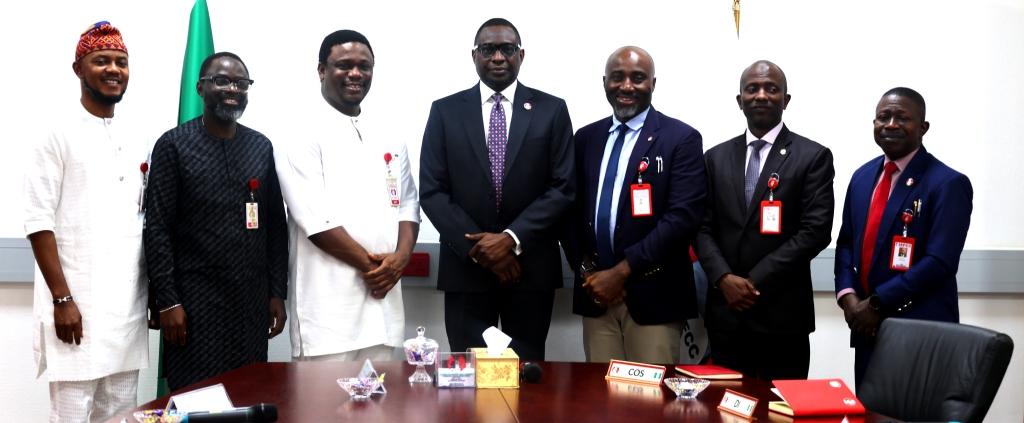
The Economic and Financial Crimes Commission (EFCC) has called on Moniepoint, a prominent Nigerian fintech platform, to improve its regulatory compliance standards and reinforce its Know Your Customer (KYC) procedures.
EFCC Chairman Ola Olukoyede made the appeal during a recent meeting with Moniepoint’s leadership team. He highlighted the vital role that strong KYC processes play in detecting and preventing fraud, money laundering, and other illicit financial activities, while protecting the overall integrity of the financial system.
The chairman reportedly stressed that full adherence to existing regulations is mandatory for all fintech operators. He encouraged Moniepoint to exceed the baseline requirements set by the Central Bank of Nigeria (CBN) by putting in place more rigorous internal controls and enhanced due diligence measures to ensure only legitimate customers access its services.
This directive is part of wider regulatory attention on Nigeria’s fintech industry. It follows previous enforcement actions, including the CBN’s imposition of ₦1 billion fines on Moniepoint and several other digital payment providers in 2024 for identified compliance gaps.
Those incidents also led to temporary restrictions on new customer onboarding for some platforms.
In response, Moniepoint has stated its commitment to further strengthening internal controls and upholding the highest standards of compliance in order to deliver secure and transparent financial services to its users.
The EFCC’s position reflects the Nigerian authorities’ continued efforts to tighten supervision of digital financial platforms amid growing concerns over financial crime and illicit flows in the sector.








Business
Royal African Society marks 125 years of Africa – Britain Businesses
The anniversary featured the Closing of Markets Ceremony and ringing of the exchange’s closing bell, alongside high-level sector discussions, fireside chats, the presentation of philanthropy awards and the unveiling of the Top African Brands in the UK and Top British Brands in Africa.

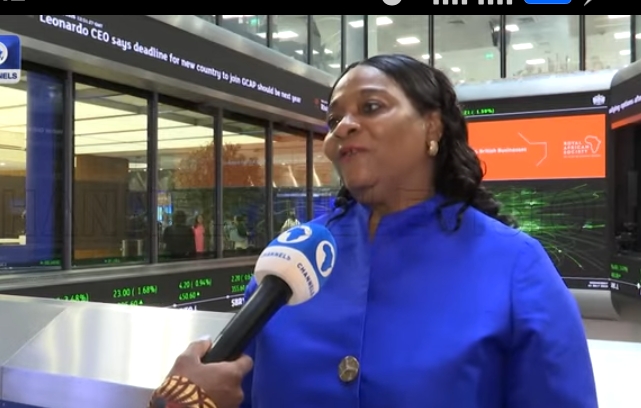
• Arunma Oteh, Chairperson of the Royal African Society
The Royal African Society has marked 125 years anniversary of Africa and Britain businesses and investments at a ceremony held at the London Stock Exchange.
The Wednesday event brought together the Emir of Kano, Muhammadu Sanusi II; President and Chief Executive Officer of Africa Finance Corporation, Samaila Zubairu; Chief Executive Officer of British International Investment, Leslie Maasdorp; Founder and Chief Executive Officer of Flutterwave, Olugbenga “GB” Agboola; Director and Chief Executive Officer of the Royal African Society, Stella Okotete; and other business, diplomatic and policy leaders.
Chairperson of the Royal African Society, Arunma Oteh, said that the organisation had spent 125 years fostering partnerships between both regions.
Oteh said that the celebration was aimed at deepening collaboration between Africa and the UK while promoting investment, innovation and shared prosperity.
The anniversary featured the Closing of Markets Ceremony and ringing of the exchange’s closing bell, alongside high-level sector discussions, fireside chats, the presentation of philanthropy awards and the unveiling of the Top African Brands in the UK and Top British Brands in Africa.
Business
US subjects imports from Nigeria to 12.5% tariff
The tariff affects imports from 60 economies that Washington says have not “imposed and effectively enforced a prohibition on the importation of goods produced with forced labour.”

The United States has imposed a 12.5 per cent tariff on imports from Nigeria as part of a new trade measure targeting countries it says have failed to prohibit the importation of goods produced with forced labour.
The tariff affects imports from 60 economies that Washington says have not “imposed and effectively enforced a prohibition on the importation of goods produced with forced labour.”
The measure was announced in a statement posted on the website of the Office of the United States Trade Representative on Thursday.
Nigeria is among the countries subject to the 12.5 per cent tariff, while India, Indonesia, Malaysia, Mexico and the United Kingdom will face a lower 10 per cent rate after adopting or committing to implement bans on imports linked to forced labour.
The move follows investigations launched by the USTR in May 2026 into 60 of the United States’ largest trading partners under Section 301 of the Trade Act.
According to the agency, it received more than 1,600 written submissions, held public hearings involving over 100 witnesses, and consulted more than 45 governments before announcing the tariffs.
Business
MTN Nigeria asks customers to trade old SIM packs for prizes
MTN named eight collection centres across the country where customers can deposit their items. The locations cover Lagos, Abuja, Kano, Jos, Delta, Port Harcourt, and Ibadan.
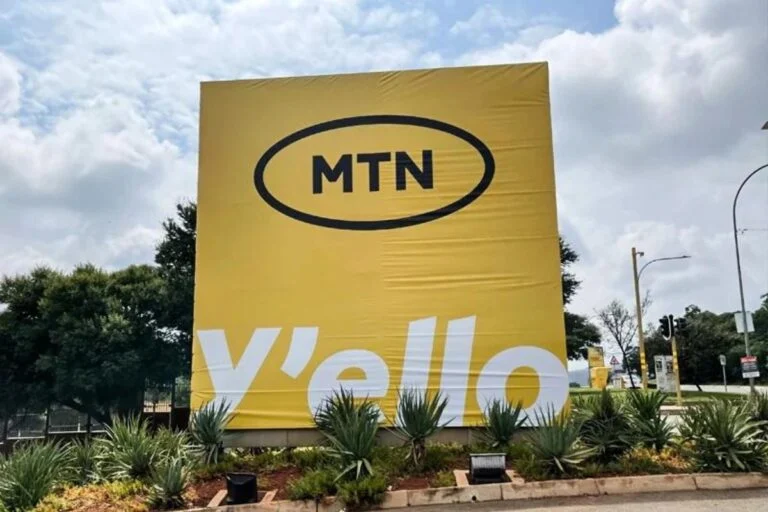
MTN Nigeria has invited customers to bring in old SIM packs, recharge cards, booster cards, dongles, and MTN-branded phones in exchange for prizes.
The telecom giant is running the campaign the under the hashtag #YelloMoments.
MTN launched the campaign on Wednesday, July 23, via its official social media pages, telling followers that items kept in drawers over the years could be worth something.
Customers who participate will also be featured on what MTN described as a “Memory Wall.”
Collection centres across Nigeria
MTN named eight collection centres across the country where customers can deposit their items. The locations cover Lagos, Abuja, Kano, Jos, Delta, Port Harcourt, and Ibadan.
In Lagos, customers can visit MTN Plaza at No. 1 Awolowo Road, Falomo, Ikoyi, or the office at 43 Allen Avenue, Ikeja. In Abuja, the collection point is at No. 4, Medeira Street, Maitama.
In Kano, it is at 2, Civil Centre Road. In Jos, Plateau State, the centre is at Plot 3119, Royalfield Road.
In Asaba, Delta State, the location is KLM 129, Benin–Asaba Expressway. In Port Harcourt, Rivers State, customers can go to 234, Old Aba Expressway, Opposite Hannah Fast Food.
In Ibadan, Oyo State, the drop-off point is at MTN Regional Office 1, Olubadan Avenue and Up/Zartech Road, Oluyole Estate.


Security Forces Rescue 9, Neutralise Terrorist in Kwara

Nigeria’s Enang Presents Credentials to German President Steinmeier (Images)

Zamfara LG Chairman Abduction: Security operatives intensify rescue efforts

Tech Expert, Zuckerberg trains with UFC champions, Adesanya, Alexander

Organ Trafficking: Ekweremadu bags 10 years in UK prison

SAINT OBI: Between his marriage and his death
-
 Business3 days ago
Naira Exchange Rates Thursday, 23 July
-

 Sports3 days ago
Nigeria’s NSC Chiefs Lead Team to 2026 Commonwealth Games in Glasgow
-
 Politics3 days ago
Fashola declares, “I’m not interested in becoming President of Nigeria”
-

 News2 days ago
311 lawmakers say “YES!” to establish state police
-
 Business2 days ago
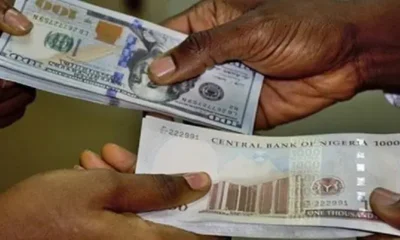
Naira Exchange Rates Across Black Market, CBN, Commercial Banks Friday, July 24
-

 Politics3 days ago
Timi Frank says Trump’s letter not political ‘endorsement’ of Tinubu
-

 News2 days ago
Soludo’s daughter bags First Class from UK university
-

 Business2 days ago
MTN Nigeria asks customers to trade old SIM packs for prizes