
News
Dr. Pedro Obaseki to Sue Over Benin Abduction and Assault

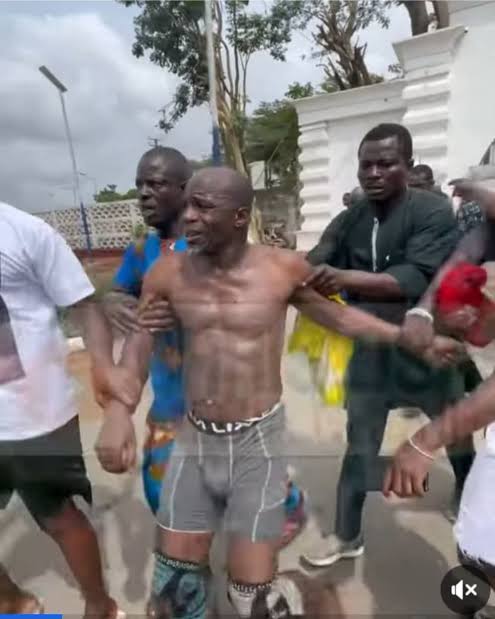
Prominent Nigerian film scholar and cultural activist Dr. Pedro Agbonifo Obaseki has announced his decision to pursue legal action following a violent public abduction, assault, stripping, and unlawful detention he suffered in Benin City on Sunday, December 28, 2025.
In a strongly worded press statement released today, Dr. Obaseki described the incident as a “brutal public abduction” in which armed individuals forcibly took him, violently assaulted him, stripped him naked, threatened his life, and paraded him through major roads in broad daylight while recording and livestreaming the ordeal to deliberately humiliate him and instil fear in the public.
He was subsequently detained for several hours despite sustaining injuries, with no formal allegation or lawful charge disclosed. Dr. Obaseki stated that the perpetrators claimed to be acting on the instructions of the Oba of Benin or the Oba’s Palace.
However, he noted that the Benin Traditional Council has categorically denied any involvement, authorisation, or prior knowledge of the acts in a widely publicised formal letter, a position he has accepted and welcomed as part of the official record.
After extensive consultations with his family, clan, senior legal advisers, and respected elders, Dr. Obaseki said he has chosen to seek justice through lawful and constitutional means—not out of malice or political motives, but to ensure accountability, deterrence, and the protection of human dignity.
He emphasised that remaining silent in the face of such grave violations would amount to complicity and expose other citizens to similar abuses.
Dr. Obaseki has engaged leading human rights lawyer Mr. Femi Falana, SAN, as lead counsel to pursue appropriate civil and criminal proceedings against the individual perpetrators and any persons found to have aided, facilitated, or enabled the offences through due process.
In light of the severity of the incident and its broader public interest implications, he has also formally notified and is engaging international human rights bodies and partners to ensure independent oversight, transparency, and monitoring of the investigative and judicial processes.
“This action is taken not only to restore the dignity of an innocent citizen and protect his family, but also to deter future occurrences and to affirm that no individual or group may abduct, brutalise, or publicly dehumanise another outside the law,” Dr. Obaseki stated.
Out of respect for ongoing investigations and judicial proceedings, he said no further factual or evidentiary commentary would be made at this time.








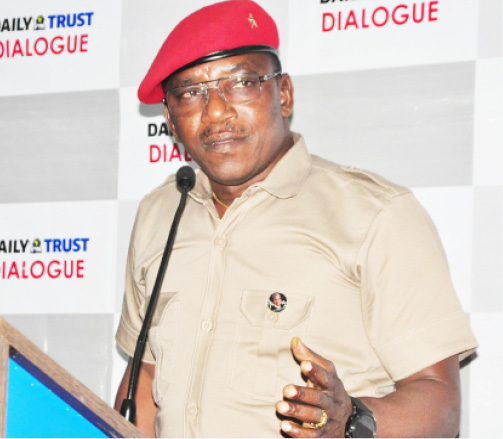
• Solomon Dalung
” If the council was fake, explain how it entered the budget.”
Former Minister of Youth and Sports, Solomon Dalung, has criticised the Presidency’s defence of the Chief of Staff to the President, Femi Gbajabiamila, over the alleged activities of Prince Adeniyi Adeyemi Matthew, saying the official response leaves several critical questions unanswered.
Dalung was reacting to a statement by Presidential spokesman Bayo Onanuga, which sought to clear Gbajabiamila of any involvement in the matter.
According to Dalung, while the Presidency attempted to exonerate the Chief of Staff, its explanation highlighted what he described as significant gaps in government oversight.
He argued that regardless of the outcome of the ongoing court proceedings involving Adeyemi, the Presidency still owes Nigerians an explanation of how a purportedly fictitious presidential agency allegedly operated within government circles without being detected.
Dalung questioned how an individual could allegedly establish a fake government agency, forge an appointment letter, operate from the Federal Secretariat, recruit personnel, engage with government institutions, meet diplomats and reportedly obtain a Central Bank of Nigeria account without attracting official scrutiny.
He also expressed concern over reports that the alleged agency appeared in the national budget, noting that budget proposals undergo several stages of executive and legislative review before approval.
“If the council was fake, explain how it entered the budget,” Dalung said.
( Daily Trust)
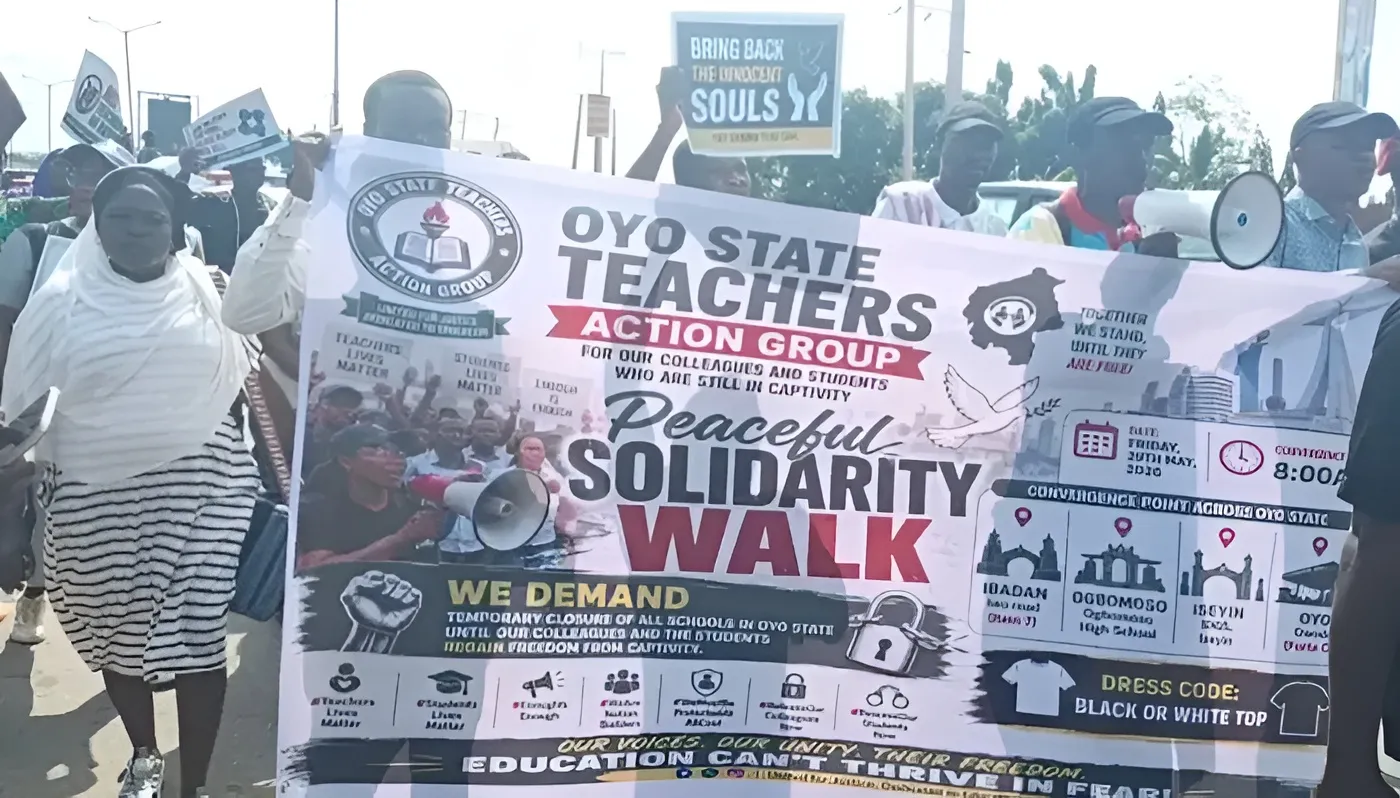
The Federal Government has expressed delight over the suspension of the teachers’ strike in Oyo State, describing the development as a major victory for dialogue, collaboration and the education of Nigerian children.
The Federal Ministry of Education announced that the resolution followed sustained engagement and constructive collaboration among the Federal Ministry of Education, the Oyo State Government and the leadership of the Nigeria Union of Teachers (NUT) at the national, zonal and state levels, paving the way for teachers to return to classrooms and restoring uninterrupted learning across the state.
The Honourable Minister of Education, Dr. Maruf Tunji Alausa, CON, said the successful resolution reflects the collective commitment of all stakeholders to place the interests, safety and future of learners above every other consideration.
“I am glad to report today that the strike has been suspended. Teachers are now returning to school to educate their students. This is the result of our collaboration and coordination with the leadership of the National Union of Teachers and the Government of Oyo State,” the Minister stated.
Dr. Alausa commended the Governor of Oyo State, Engr. Seyi Makinde, for his exemplary leadership and commitment to resolving the impasse through dialogue.
He also expressed appreciation to the National President of the Nigeria Union of Teachers, Comrade Audu Titus Amba, the Zonal President, Comrade Hassan Ajibola Fatai, the leadership of the Oyo State Wing of the Union, and members of its Executive Committee for demonstrating statesmanship and putting the interests of learners first in reaching an amicable resolution.
The Minister reaffirmed the Federal Government’s unwavering commitment to ensuring that every Nigerian child enjoys uninterrupted access to quality education despite the security challenges confronting parts of the country. He stressed that those who seek to spread fear by attacking innocent citizens and disrupting education will not succeed in denying children their right to learn.
“Our children will remain in school, and we will continue to educate them. We will not succumb to terror. This administration remains resolute in confronting insecurity with every available resource and ensuring that our schools continue to serve as safe places for teaching and learning,” he said.
Dr. Alausa also paid tribute to teachers across Nigeria for their patriotism, resilience and unwavering dedication to nurturing future generations, describing them as indispensable partners in national development whose sacrifices continue to strengthen the nation’s education system.
The Federal Ministry of Education reaffirmed its commitment to working closely with state governments, teachers’ unions, security agencies and other stakeholders to strengthen school safety, promote constructive dialogue and safeguard every child’s right to uninterrupted, quality education in line with the Renewed Hope Agenda of President Bola Ahmed Tinubu, GCFR.
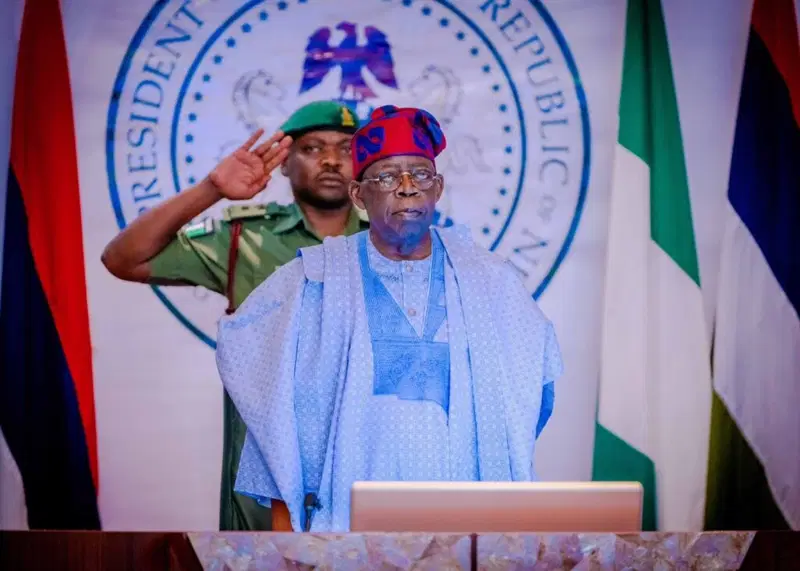
President Bola Tinubu is set to unveil a complimentary memorial publication titled “Tributes and Condolences in Honour of Former President Muhammadu Buhari” on July 13, 2026, at the Nigerian Army Resource Centre in Abuja.
The event forms part of activities marking the first anniversary of the passing of former President Muhammadu Buhari.
Chairman of the Central Planning Committee and former Secretary to the Government of the Federation, Boss Mustapha, disclosed this while briefing journalists in Abuja on preparations for the memorial programme. He said President Tinubu will attend as the Special Guest of Honour.
According to Mustapha, the anniversary gathering will bring together members of Buhari’s family, close associates, friends, public officials and admirers for prayers and reflections on the life, leadership and legacy of the late president.
Selected individuals who worked closely with Buhari are also expected to share personal experiences and highlight his contributions to national development.
The tribute book, to be presented by Bola Ahmed Tinubu, contains messages and condolences from heads of state, diplomats, political leaders and other notable figures from around the world,as contributors described the late Muhammadu Buhari as a leader known for simplicity, resilience, humility and integrity.
Mustapha emphasized that the publication is not intended for sale or fundraising but will be distributed free of charge, adding that religious leaders from different faiths and denominations will offer prayers for the repose of Buhari’s soul and for the nation he served.
The former SGF noted that Buhari, who died in London on July 13, 2025, at the age of 82 while receiving medical treatment, was buried in his hometown with full state and military honours.
He further stated that the first memorial anniversary is intended to celebrate Buhari’s service to Nigeria, while stakeholders will later decide whether future commemorations should be held annually or periodically.


Alleged fake agency: Dalung picks holes in Presidency’s defence of Gbaja

FG Hails End of Oyo Teacher’s Strike

Tinubu to Unveil Buhari Memorial Tribute Book at First Anniversary Commemoration

Tech Expert, Zuckerberg trains with UFC champions, Adesanya, Alexander

Organ Trafficking: Ekweremadu bags 10 years in UK prison

SAINT OBI: Between his marriage and his death
-
 Business2 days ago
BUA Group Denies Reports of Bid to Acquire Stake in Kano Pillars Football Club
-
 News3 days ago
JAMB and Rite Foods Initiate Rewarding Top Performing Candidates
-
 Politics3 days ago
JUST IN: Adeboye says he Admires Trump, declaring “He is the best politician I’ve met’
-
 Business2 days ago
Naira Exchange Rates Tuesday, 30 June 2026
-

 Business2 days ago
Nigeria’s oil minister orders marketers to reduce fuel price
-
 News2 days ago
Insecurity: NSCIA fumes “Enough is Enough” over attacks on Islam and Muslims in Nigeria
-

 Sports3 days ago
Drake Wins $1 Million After Betting $770,000 on Canada v South Africa Match
-
 Business1 day ago
BOI names Kuramo Capital Fund Manager for $170.6m iDICE