
News
JUST IN: House of Reps demands urgent crackdown on fake drug syndicates

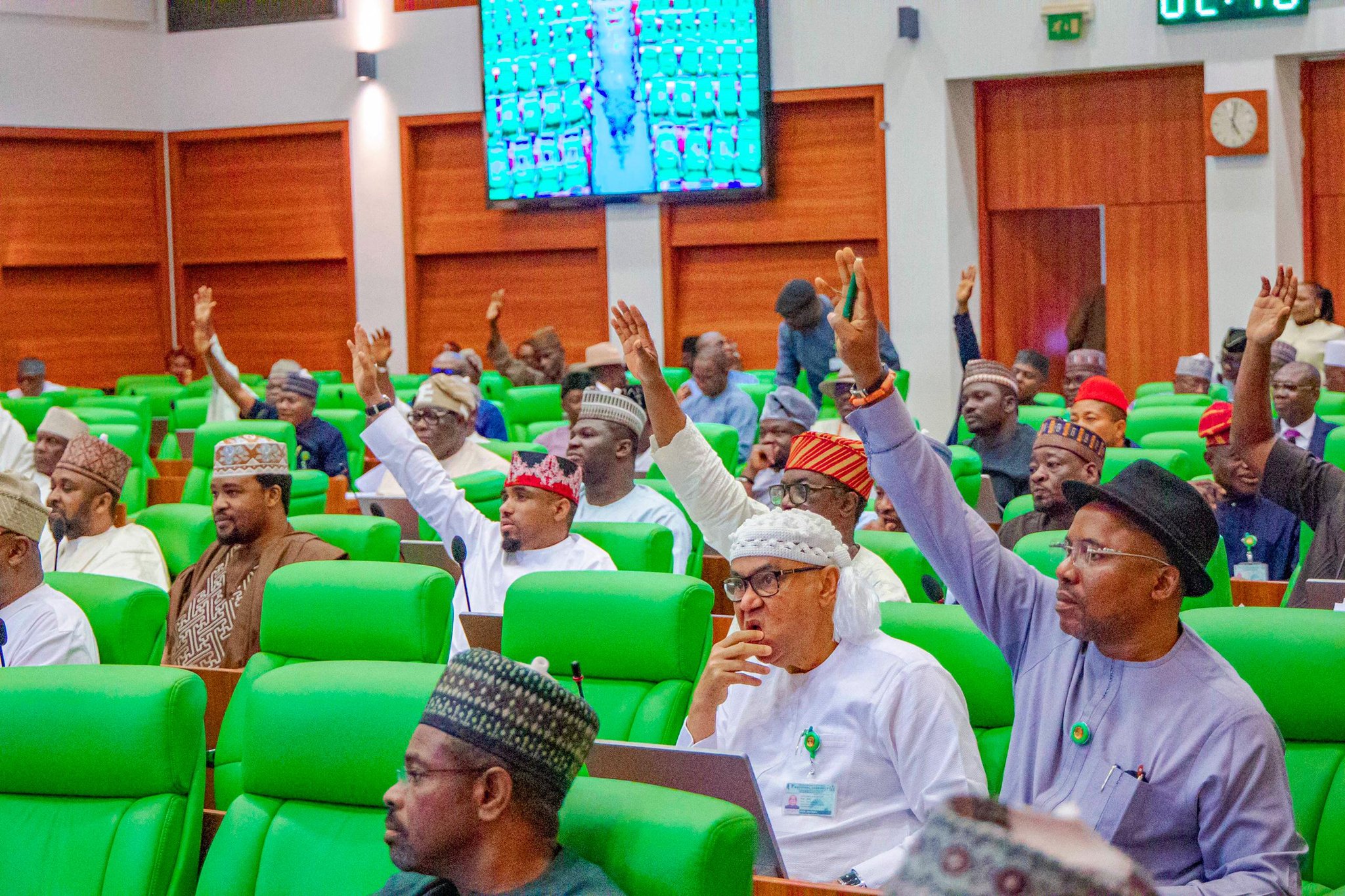
The House of Representatives has called for a more aggressive crackdown on the production and distribution of counterfeit and expired drugs in Nigeria, following the recent discovery of an illegal drug manufacturing facility in Osisioma Ngwa Local Government Area (LGA) of Abia State.
The resolution was moved by Hon. Nnamdi Ezechi, who raised alarms over the growing issue of fake pharmaceuticals during plenary in Abuja on Tuesday.
Ezechi revealed that the illegal factory, located in a remote village, was involved in rebranding expired drugs by altering their expiry dates and producing counterfeit medications, including injectables, which were being distributed to unsuspecting Nigerians.
“The consumption of fake and substandard drugs poses severe health risks, including treatment failures, drug resistance, and even death,” Ezechi stated.
He warned that such criminal activities undermine Nigeria’s healthcare system and put millions at risk.
The House expressed deep concern that the Osisioma Ngwa incident was not an isolated case but part of a broader public health crisis, as similar counterfeit drug operations have been uncovered across the country.
The lawmakers noted that the circulation of such harmful products has contributed to Nigeria’s high mortality rate, with citizens unknowingly consuming ineffective or toxic medications.
The House strongly condemned the production and distribution of fake drugs and commended law enforcement agencies for their efforts in uncovering the Abia State operation.
It urged the federal government to direct the National Agency for Food and Drug Administration and Control (NAFDAC), the Pharmacists Council of Nigeria (PCN), and other relevant agencies to intensify surveillance, inspections, and crackdowns on fake drug manufacturers and distributors nationwide.
The lawmakers noted that the circulation of such harmful products has contributed to Nigeria’s high mortality rate, with citizens unknowingly consuming ineffective or toxic medications.
The House strongly condemned the production and distribution of fake drugs and commended law enforcement agencies for their efforts in uncovering the Abia State operation.
It urged the federal government to direct the National Agency for Food and Drug Administration and Control (NAFDAC), the Pharmacists Council of Nigeria (PCN), and other relevant agencies to intensify surveillance, inspections, and crackdowns on fake drug manufacturers and distributors nationwide.
Additionally, the House mandated its Committees on Health and Drugs and Narcotics to investigate the widespread issue of counterfeit drugs in the country.
It also called for increased public awareness campaigns on the dangers of fake drugs and the introduction of advanced tracking and authentication systems to help consumers verify the authenticity of pharmaceutical products before purchase.
The House also urged the Federal Ministry of Health, in collaboration with security agencies, to implement stricter penalties for individuals and organizations involved in the illegal drug trade, ensuring that offenders face the full weight of the law.




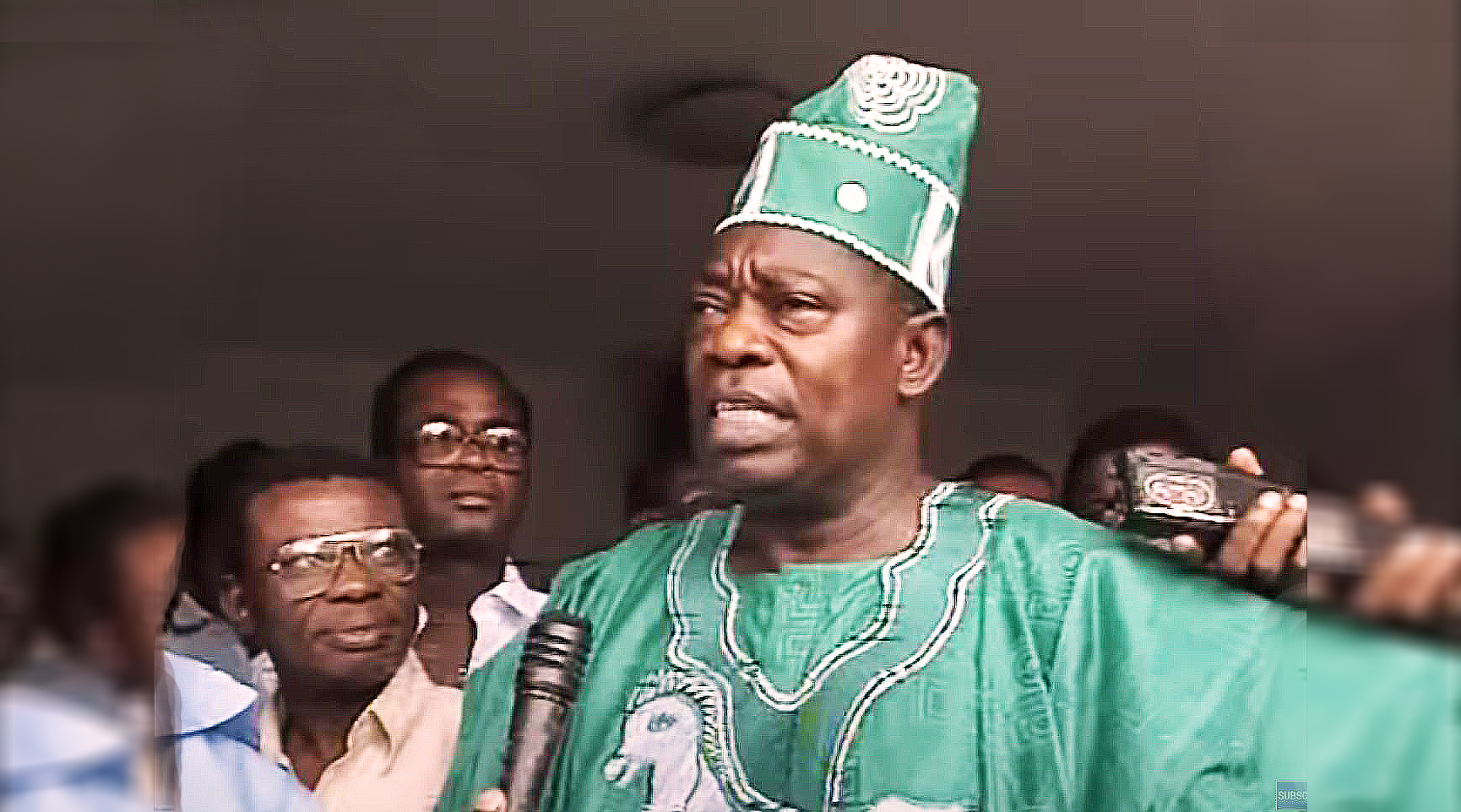
A new documentary on the life and political struggle of the late Chief Moshood Kashimawo Olawale (MKO) Abiola is set to premiere in Nigerian cinemas in October.
Titled MKO, the 108-minute film is directed by Ose Oyamendan and produced with American documentary filmmaker Mark Jonathan Harris. It explores the annulment of the June 12, 1993, presidential election, widely regarded as free and fair, Abiola’s subsequent detention, and the controversial circumstances surrounding his death in custody in 1998.
The documentary features interviews with key figures including former military rulers Ibrahim Babangida and Abdulsalami Abubakar, former President Olusegun Obasanjo, Nobel laureate Wole Soyinka, Abiola’s running mate Baba Gana Kingibe, members of the Abiola family, journalists, and diplomats.
Oyamendan, who worked as a young journalist during the June 12 crisis, has described the film as an investigative documentary that examines Nigeria’s unfinished democratic journey. It had its world premiere earlier this year at the Sheffield DocFest in the United Kingdom.
The Nigerian cinema release is scheduled for early October, with some reports linking the premiere to Independence Day on October 1.
The Joint Admissions and Matriculation Board (JAMB) has released the 2026 Unified Tertiary Matriculation Examination (UTME) results of underage candidates for viewing.
In a statement issued on Saturday in Abuja by the Board’s Public Communication Adviser, Dr Fabian Benjamin, JAMB defined an underage candidate for the 2026 admission exercise as any candidate who will be less than 16 years old as at September 30, 2026.
Benjamin said the results were released primarily to enable candidates and their parents or guardians to know their performance in the examination. However, he stressed that the release does not confer eligibility for admission on all underage candidates.
According to him, the results cannot be used for admission or any other official purpose, except by candidates who satisfy the stringent requirements prescribed for exceptionally performing underage candidates.
Candidates can check their results by sending “RESULT” to 55019 or 66019 using the same SIM card with which they registered for the UTME.
JAMB reiterated that only underage candidates who demonstrate exceptional academic ability and maturity will be considered for admission through a rigorous, multi-stage assessment process. Key requirements include a minimum UTME score of 320, at least 80 per cent performance in relevant Senior Secondary School Certificate Examination (SSCE) subjects where applicable, satisfaction of the Post-UTME requirements of their chosen institutions, and a final assessment conducted by experts.

Veteran journalist Mr. Ohi Odiai and his wife, Mrs. Elizabeth Ohi-Odiai, today mark their 17th wedding anniversary, a milestone that highlights an enduring partnership built on mutual support, professional excellence, and family.
Mr. Odiai serves as Deputy Head of News at Arise News TV, one of Nigeria’s leading television networks. He is also the CEO and Chief Editor of Ohibaba.Com, the online news platform he founded and continues to steer as a key voice in digital journalism. His career spans years of impactful reporting, newsroom leadership, and media innovation.
Mrs. Elizabeth Ohi-Odiai is the owner and founder of Bukbeth Concepts Classic, a business reflecting her entrepreneurial drive and creative vision. Together, the couple has built a home grounded in shared values and quiet strength.
The family is blessed with three children — two boys and a girl — who form the heart of their journey.

Friends, colleagues, and well-wishers describe the Odiais as a model of resilience and partnership in both public and private life.
As they celebrate 17 years of marriage today, September 5, 2026, the couple is receiving warm congratulations from across the media and business communities. Their story stands as a reminder that lasting unions thrive on commitment, respect, and the everyday work of building a life together.
Happy anniversary to Mr. Ohi Odiai and Mrs. Elizabeth Ohi-Odiai.


MKO Abiola’s Documentary to hit Cinemas in October

Trump sends envoys to Russia, Ukraine with new peace plan

BREAKING: JAMB releases underage UTME results, clarifies admission conditions

Tech Expert, Zuckerberg trains with UFC champions, Adesanya, Alexander

Organ Trafficking: Ekweremadu bags 10 years in UK prison

SAINT OBI: Between his marriage and his death
-

 Business2 days ago
Okin Biscuits Set For Comeback After 17 Years, Targets Revival Of Jobs, Local Manufacturing
-
 Business3 days ago
Forest Sector Employs 42m People Globally – FAO
-
 News2 days ago
BREAKING: FG Harmonizes Workers’ Salaries
-

 Business2 days ago
Entrepreneurship: “How I Made N10m Monthly From Akara Burger” – Gov Eno
-

 News2 days ago
Toxic fumes kill 37 in Okrika oil tragedy
-

 Politics2 days ago
Nduka Obaigbena Challenges Tinubu, Atiku, Obi on 2027 election campaigns
-
 News2 days ago
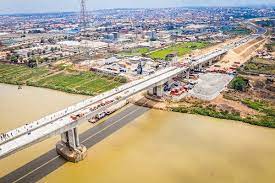
FG Announces Two Weeks Closure of First Niger Bridge for Repairs
-

 International2 days ago
Uber introduces robotaxi services in London after exiting Nigeria